The Environmental Benefits of Choosing GRP Over Concrete Tanks


The Environmental Benefits of Choosing GRP Over Concrete Tanks
Introduction
As East Africa advances in sustainable development and modern infrastructure, the choice of water storage technology plays a crucial role in environmental protection. While concrete tanks have been a traditional choice for large-scale water storage, their environmental footprint is significant—from energy-intensive production to high maintenance and eventual waste.
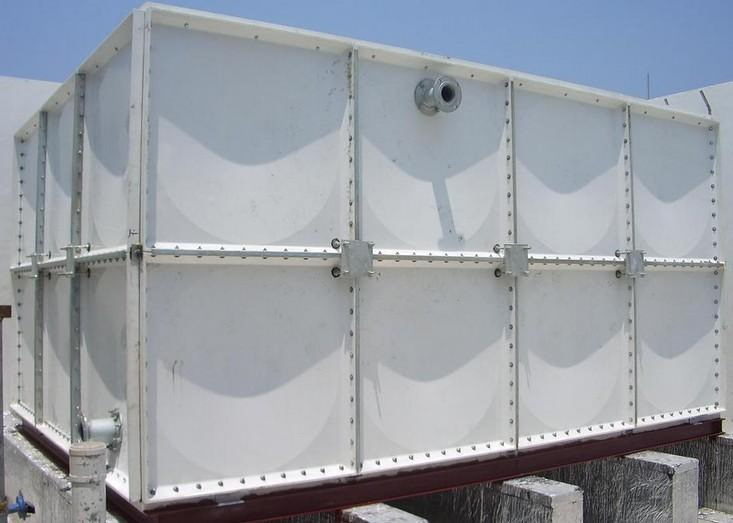
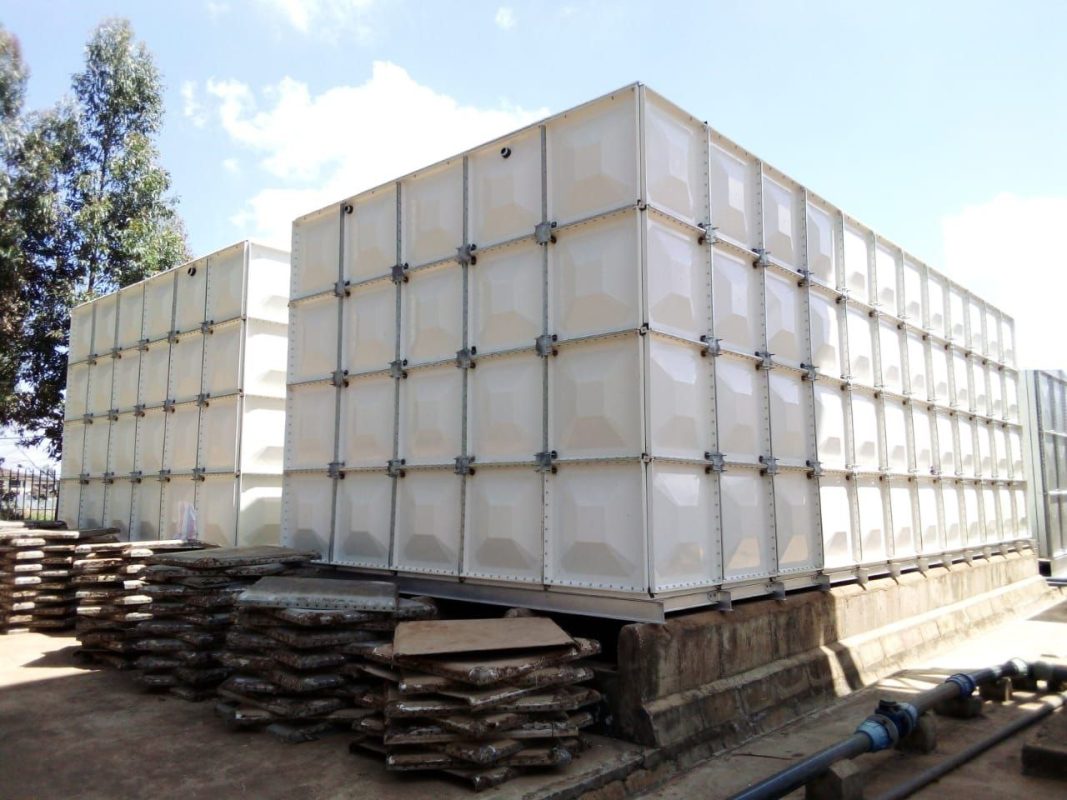
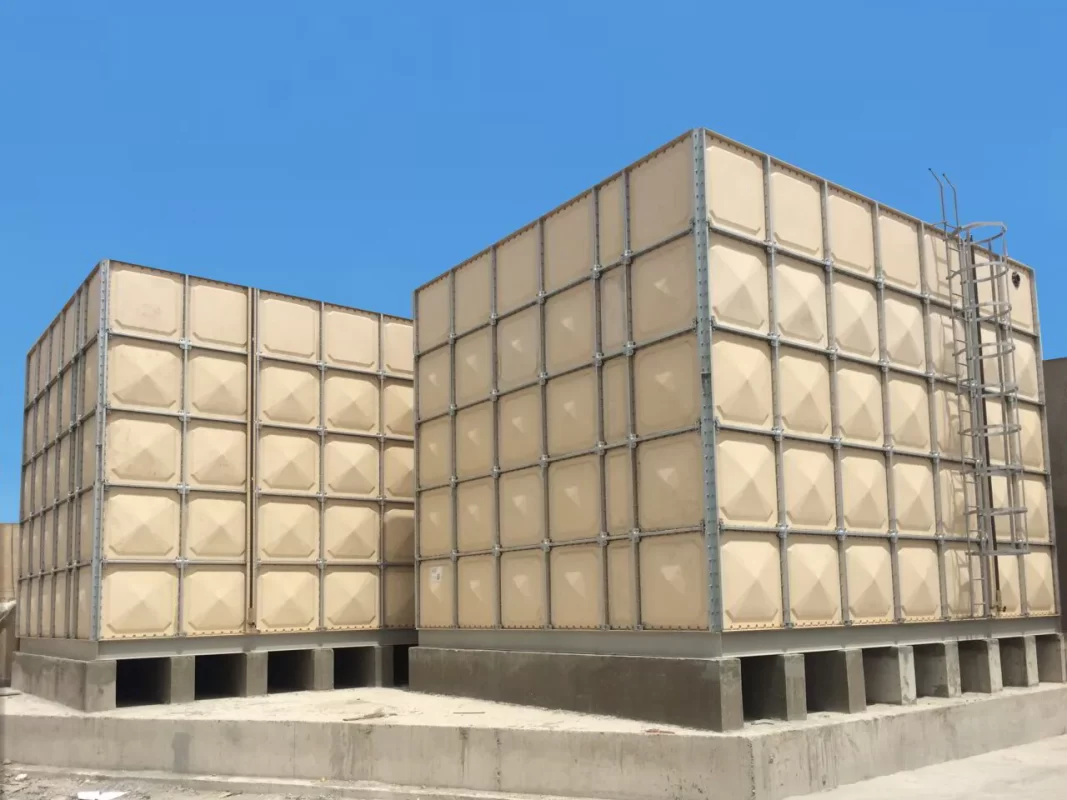
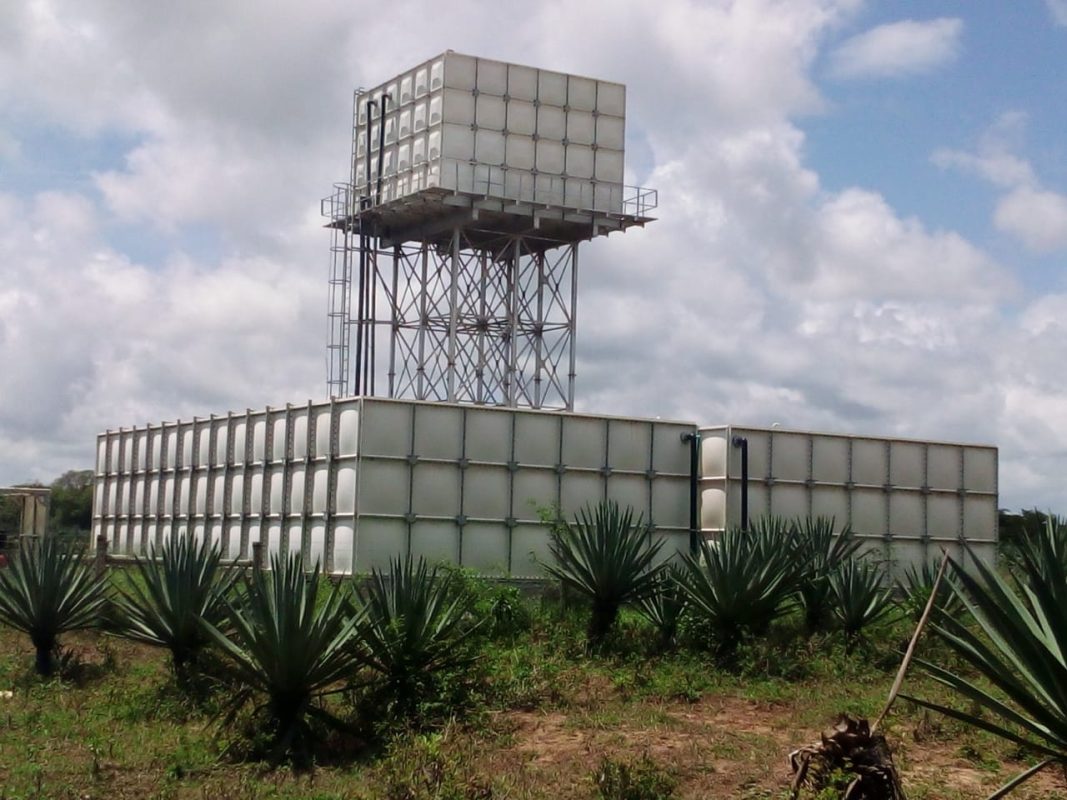
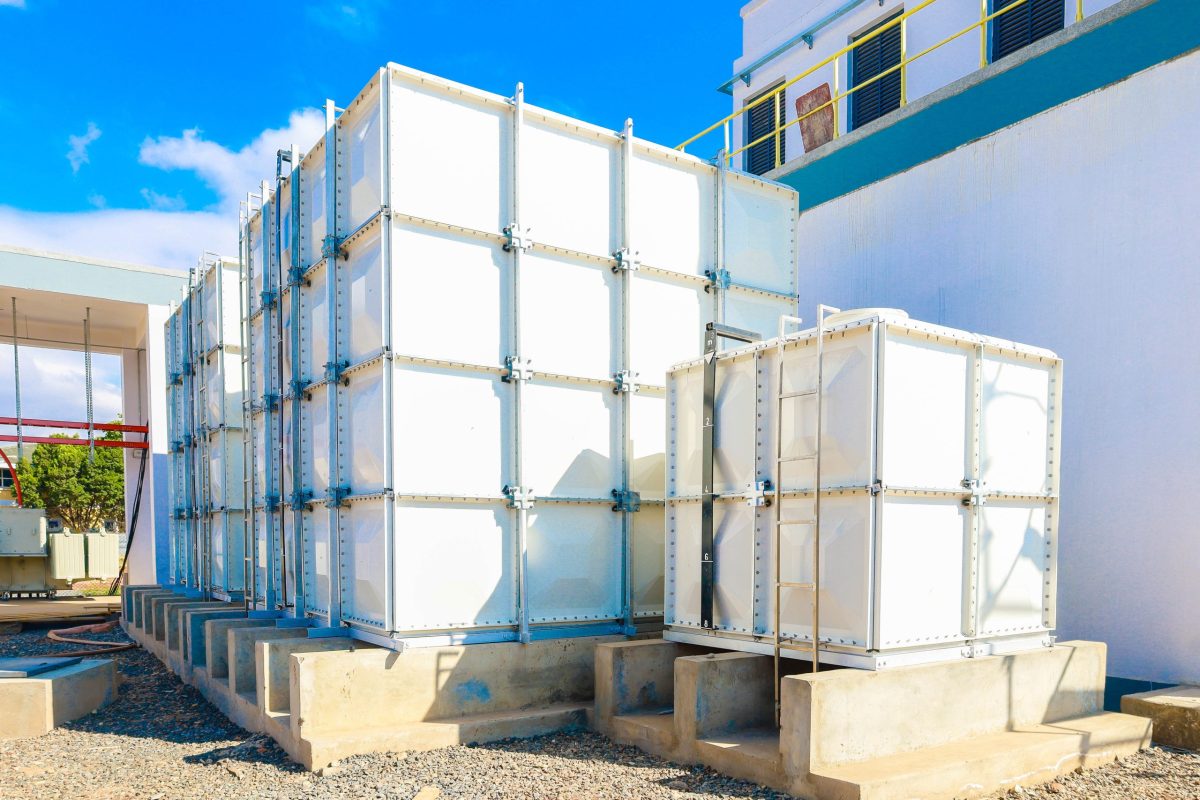
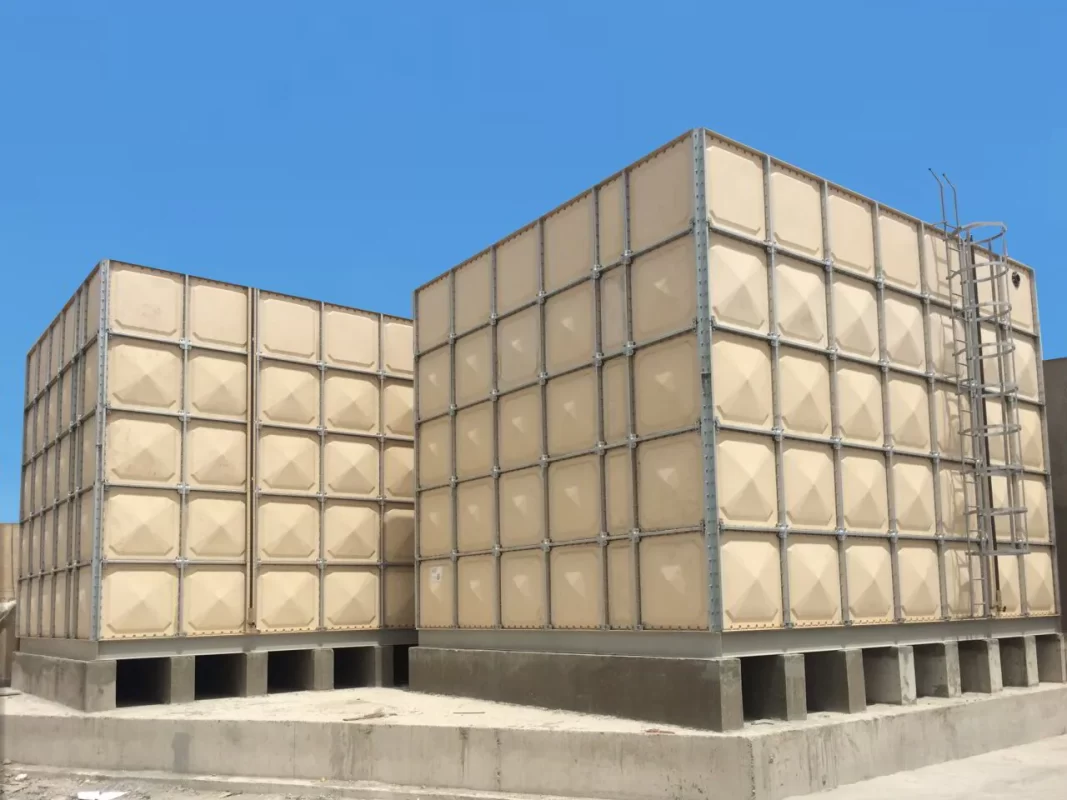
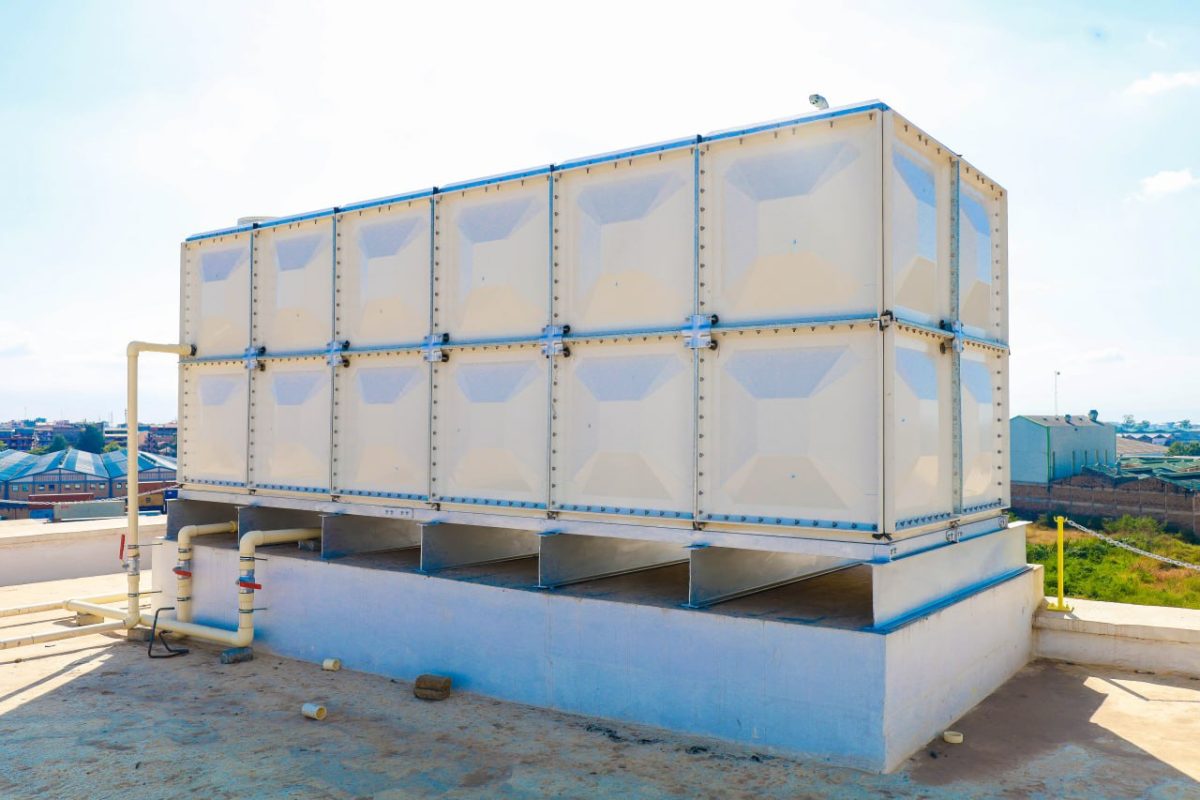
In contrast, Glass Reinforced Plastic (GRP) water tanks offer a sustainable alternative. They are lightweight, durable, hygienic, and designed with a much lower environmental impact over their lifespan. For municipalities, industries, schools, hospitals, and high-rise developments, switching from concrete to GRP tanks is a step toward greener infrastructure.
In this article, we’ll explore the environmental benefits of GRP water tanks and why Aquosys Limited is leading the charge in eco-friendly water storage across Kenya, Uganda, Tanzania, Rwanda, South Sudan, Ethiopia, and beyond.
The Environmental Drawbacks of Concrete Water Tanks
Concrete tanks are heavy, resource-intensive, and difficult to maintain sustainably. Some of the challenges include:
-
High Carbon Footprint: Cement production is responsible for nearly 8% of global CO₂ emissions.
-
Excessive Water Use in Manufacturing: Large amounts of water are consumed in concrete production.
-
Thermal Instability: Cracking from heat variations leads to frequent repairs and wasted materials.
-
Demolition Waste: Old concrete tanks generate large volumes of construction waste, often ending up in landfills.
How GRP Tanks Reduce Environmental Impact
1. Lower Carbon Footprint
GRP tanks require significantly less energy and raw material during production compared to concrete. Their lightweight panels are easier to transport, reducing emissions during logistics.
Learn more about GRP characteristics.
2. Longevity and Durability
A well-maintained GRP tank can last decades without structural failure, reducing the need for frequent replacements. This lowers the lifecycle environmental cost compared to concrete tanks, which often crack or degrade within 10–15 years.
3. Reduced Maintenance and Resource Use
Concrete tanks require frequent sealing, patching, and sometimes full reconstruction. GRP tanks, on the other hand, are resistant to corrosion, cracks, and bacterial growth, requiring minimal resources for upkeep.
See Aquosys installation solutions.
4. Lightweight, Energy-Efficient Transportation
Unlike bulky pre-cast concrete tanks, GRP modular panels are shipped flat-packed, reducing fuel consumption in transport. This makes them especially eco-friendly for remote or large-scale projects.
5. Recyclability and Reduced Waste
GRP materials can be recycled or repurposed at the end of their lifespan, minimizing waste compared to demolished concrete tanks that end up as rubble.
Explore GRP panel options here.
Applications Where Eco-Friendly GRP Tanks Excel
-
Municipal Water Supply – Environmentally sustainable storage for towns and cities.
-
Schools and Hospitals – Hygienic, safe, and long-lasting solutions.
-
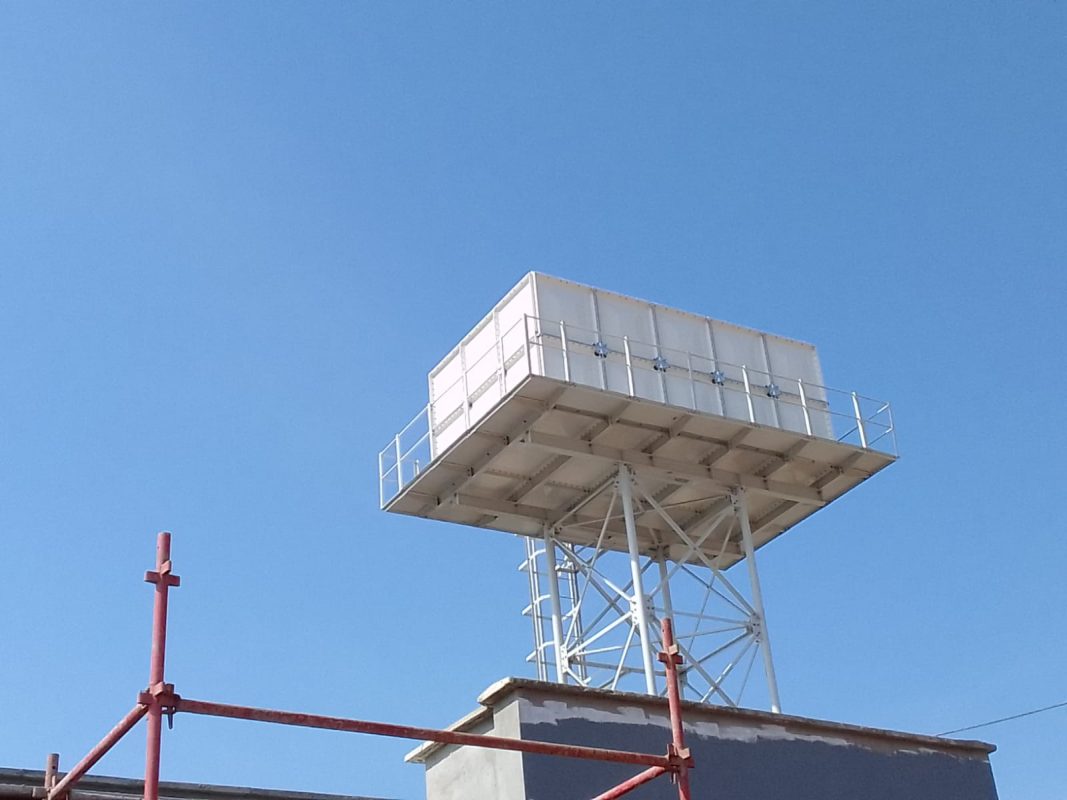
High-Rise Developments – Lightweight tanks reduce structural load.
-
Industrial Applications – Large-capacity, durable, and easy to maintain.
Check our portfolio of projects to see GRP sustainability in action.
Why Aquosys Limited Promotes GRP Sustainability
Aquosys Limited is committed to helping clients reduce their environmental footprint while ensuring safe, durable, and efficient water storage solutions. With our sectional GRP water tanks, we offer:
✔ Lower carbon impact vs. concrete tanks
✔ Long service life with minimal maintenance
✔ Region-wide supply and installation support
✔ Custom solutions for green infrastructure projects
Call to Action
Looking for an eco-friendly water storage solution? Switch to GRP water tanks with Aquosys Limited and support sustainable development across East Africa.