GRP vs Plastic Tanks for Industrial Use – Water Storage


GRP vs Plastic Tanks for Industrial Use – Water Storage
Comparing GRP Tanks to Plastic (PE/HDPE) Tanks for Industrial Use
In industrial applications across Kenya and East Africa, water storage is more than just a basic need — it’s a strategic infrastructure decision. Whether for manufacturing processes, cooling systems, chemical storage, or potable water, choosing the right tank material can significantly impact operational safety, maintenance costs, and long-term performance.
Two of the most common options are GRP (Glass Reinforced Plastic) tanks and plastic tanks made from PE (Polyethylene) or HDPE (High-Density Polyethylene). While both are widely used, they differ in terms of strength, durability, cost, and suitability for industrial demands.
This comprehensive guide compares GRP vs. PE/HDPE tanks, helping engineers, contractors, and facility managers make informed decisions for industrial water storage.
🔹 Understanding the Two Tank Types
What Are GRP Tanks?
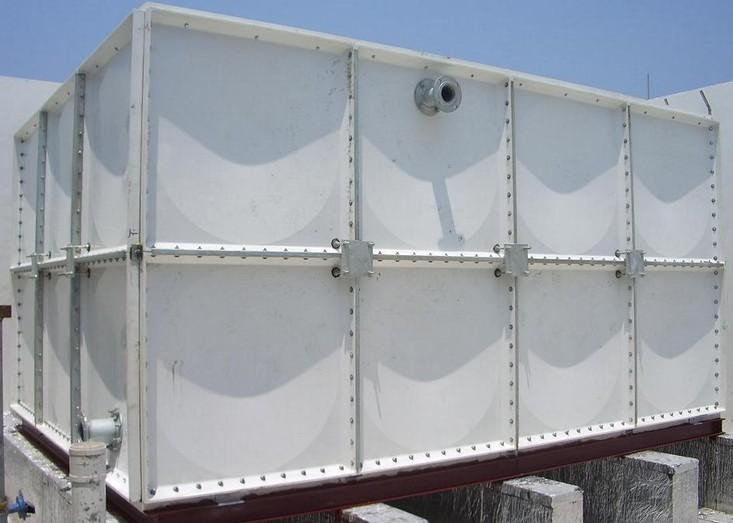
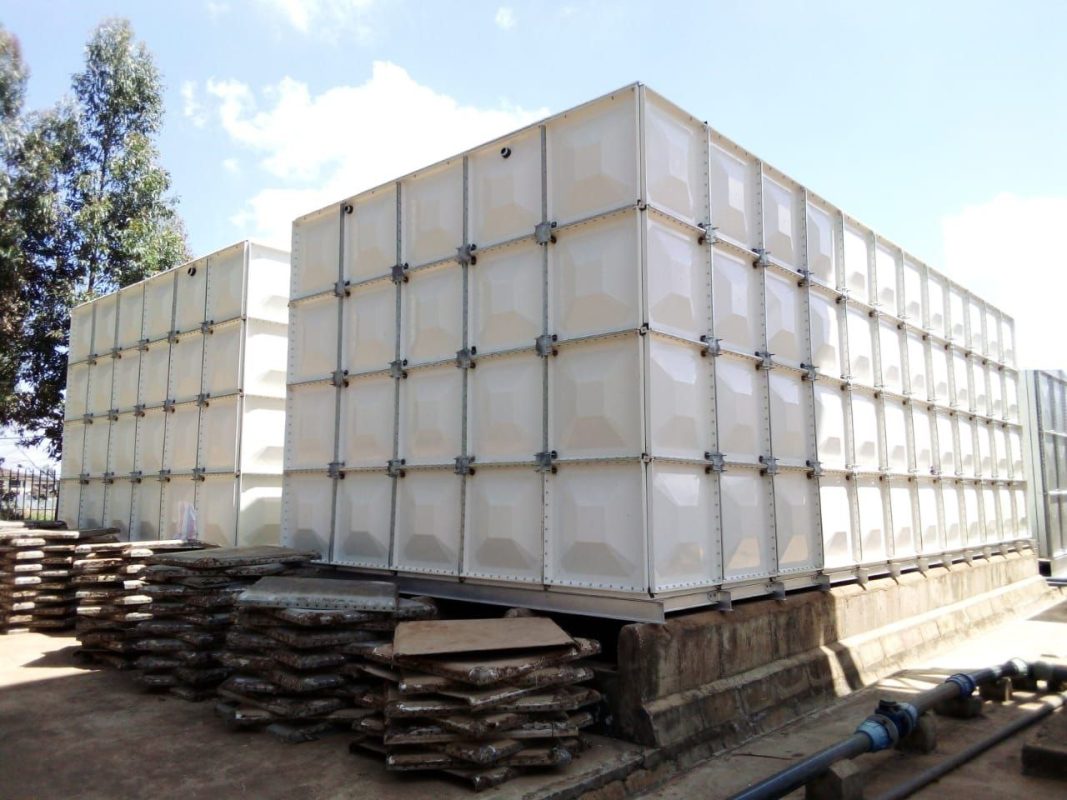
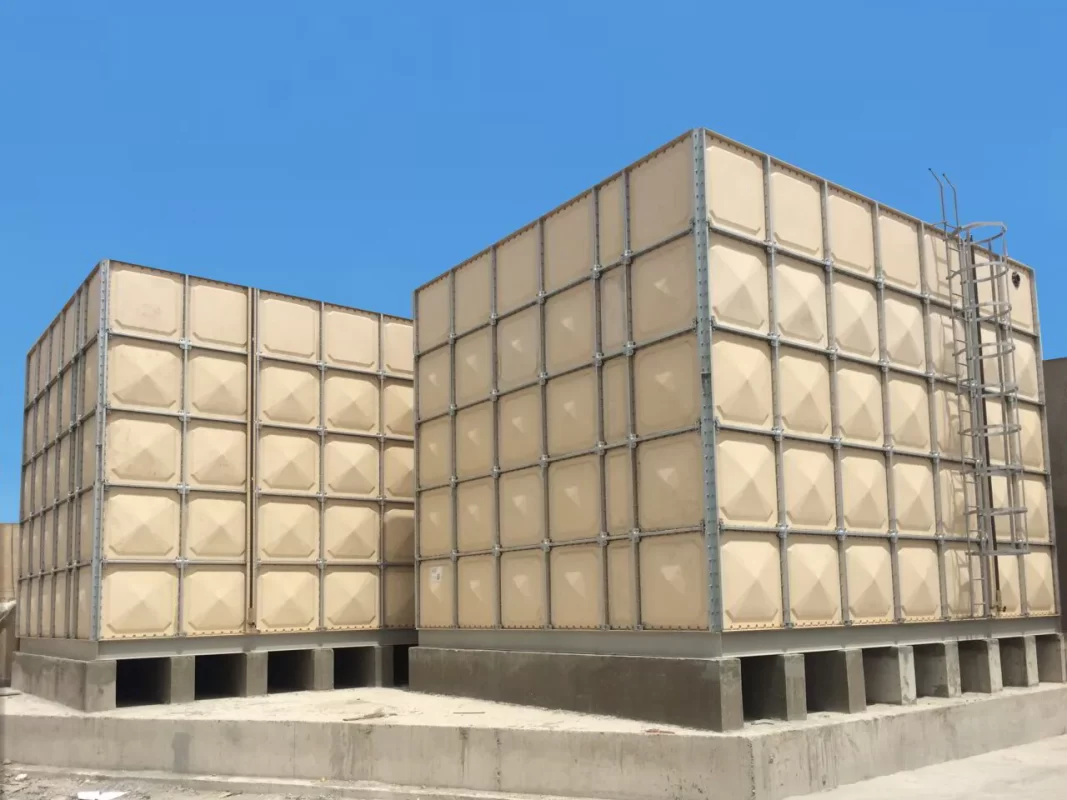
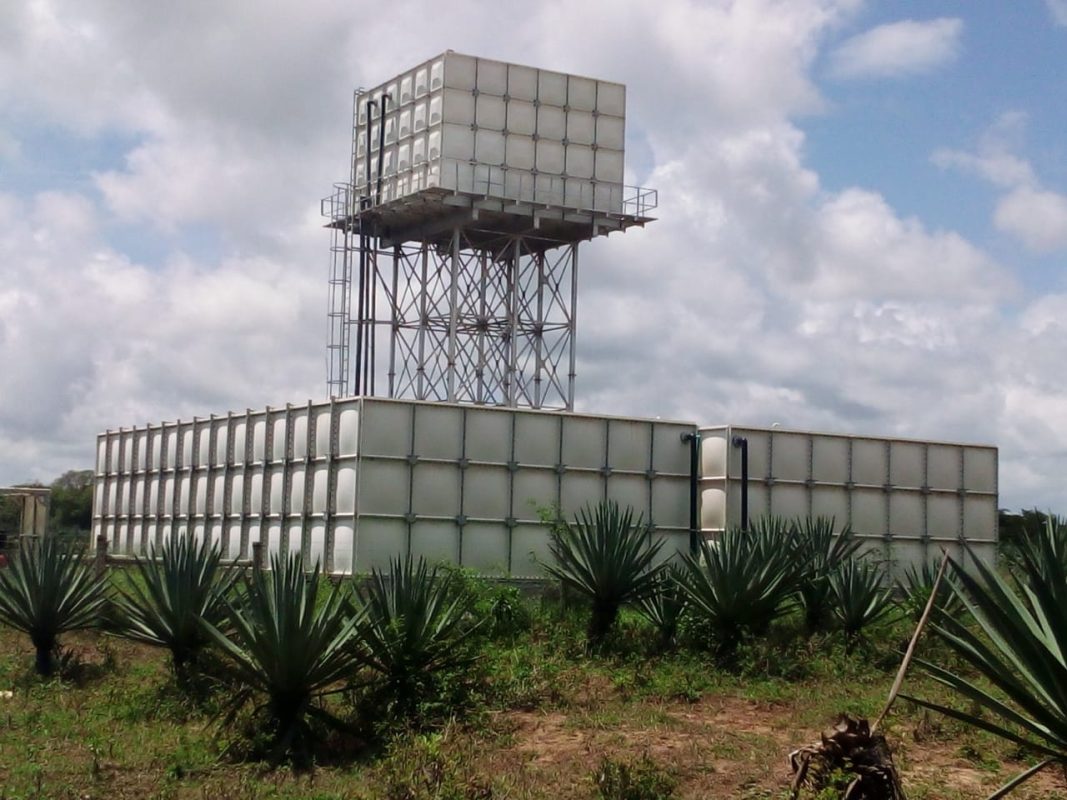
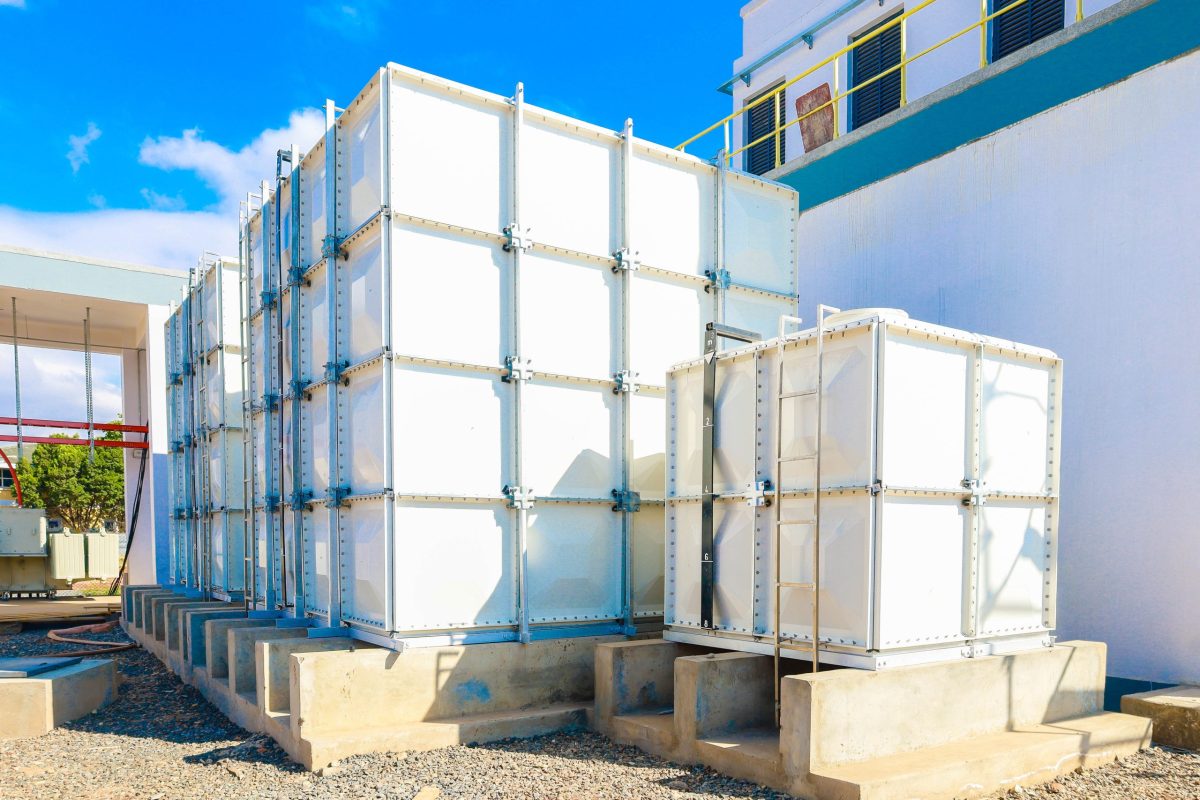
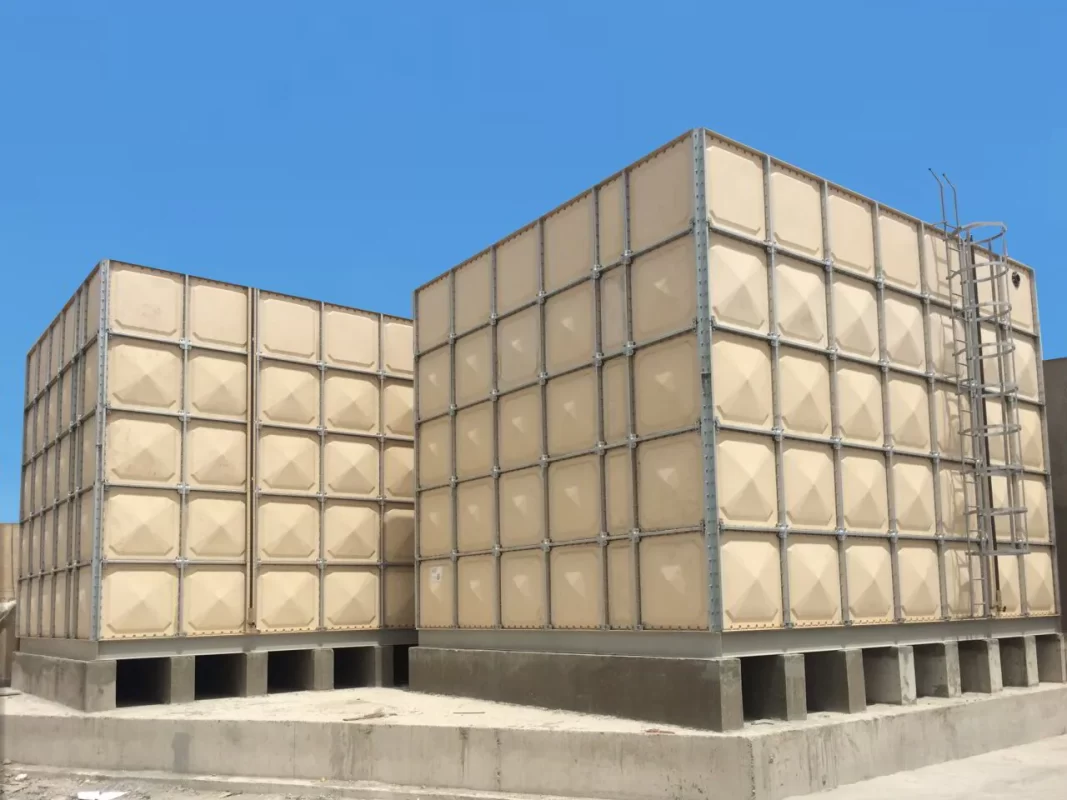
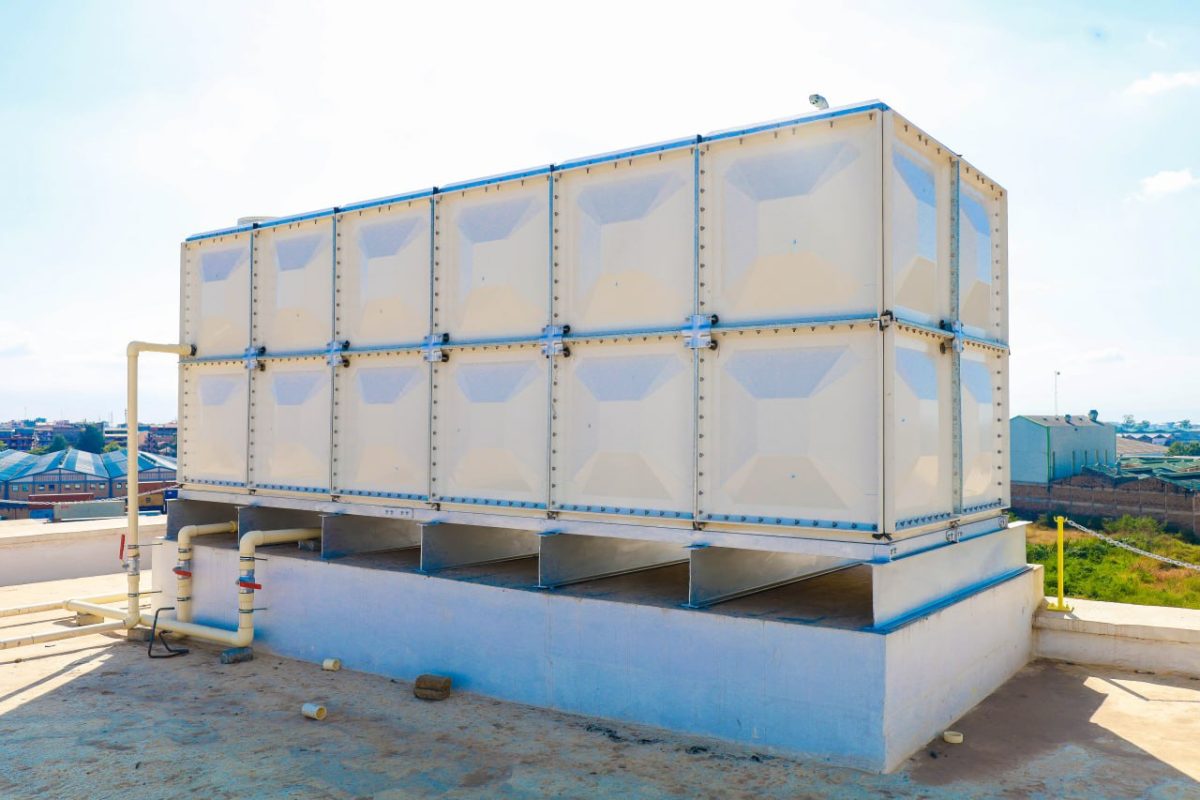
GRP tanks are made from Glass Reinforced Plastic, a composite of fiberglass and resin. They are modular, sectional tanks designed for large-scale storage, offering:
-
High structural strength
-
Excellent chemical and corrosion resistance
-
Customizable capacity and shape
-
Long service life (20–30 years)
Learn more about GRP Panels and their Characteristics.
What Are PE/HDPE Tanks?
Plastic tanks, made from Polyethylene (PE) or High-Density Polyethylene (HDPE), are typically rotationally molded as single-piece cylindrical tanks.
They are popular for:
-
Domestic and light commercial water storage
-
Chemical storage with low concentrations
-
Shorter-term, portable applications
While HDPE tanks offer better chemical resistance than regular PE tanks, they are less suited for high-volume or structural applications.
🔹 GRP vs Plastic (PE/HDPE) Tanks – Head-to-Head Comparison
| Feature | GRP Tanks | Plastic (PE/HDPE) Tanks |
|---|---|---|
| Material Composition | Glass fiber + resin (composite) | Polyethylene or High-Density Polyethylene |
| Strength & Load Capacity | ✅ High structural strength | ⚠️ Limited for large capacities |
| Modularity | ✅ Sectional, customizable | ❌ Fixed molded shapes |
| Durability | ✅ 20–30 years lifespan | ⚠️ 8–12 years |
| UV & Weather Resistance | ✅ Excellent | ⚠️ May degrade over time |
| Corrosion Resistance | ✅ Excellent | ✅ Good (but limited chemical compatibility) |
| Temperature Resistance | ✅ Stable in wide ranges (-40°C to 80°C) | ⚠️ Prone to deformation under heat |
| Hygiene (Potable Water Use) | ✅ Non-toxic, algae-resistant | ⚠️ Can leach chemicals under heat |
| Maintenance | ✅ Low | ⚠️ Requires frequent replacement |
| Custom Capacity | ✅ From 1,000L to 1 million+ liters | ❌ Limited to molded sizes |
| Industrial Suitability | ✅ Ideal for heavy-duty & large-scale | ⚠️ Suitable only for light-duty |
| Cost (Initial) | 💰 Moderate to High | 💰 Low |
| Cost (Lifetime) | 💰 Lower (long-term ROI) | 💰 Higher (frequent replacement) |
Verdict:
For industrial use, GRP tanks clearly outperform plastic tanks in strength, hygiene, longevity, and customization.
🔹 Industrial Applications: GRP vs Plastic Tanks
✅ GRP Tanks Are Best For:
-
Factories and Industrial Plants – cooling, process water, chemical storage
-
Municipal Water Supply – large capacity storage
-
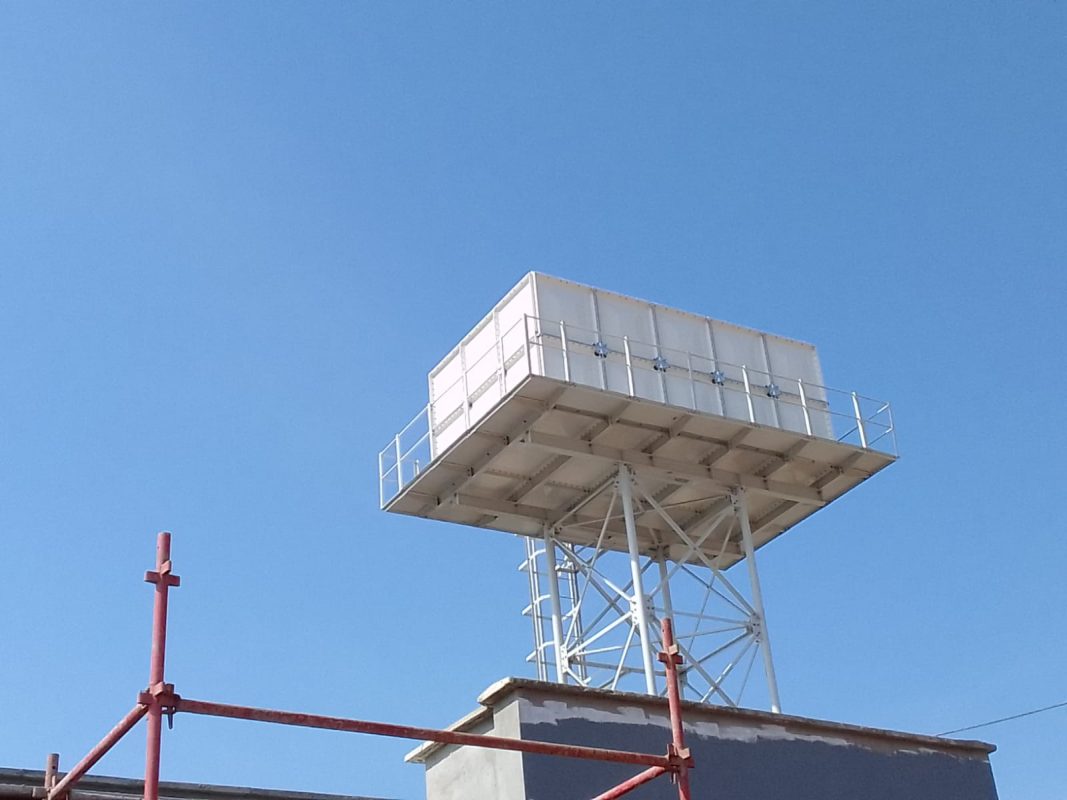
High-Rise and Commercial Buildings – rooftop or underground systems
-
Hospitals, Schools, and Institutions – hygienic, potable water
-
Power Plants and Refineries – chemical and temperature stability
Explore completed installations in our Portfolio.
⚠️ PE/HDPE Tanks Are Best For:
-
Domestic and small-scale water storage
-
Temporary or mobile installations
-
Short-term irrigation projects
-
Light chemical storage with low volume
In industrial settings, they often serve as secondary tanks or supplementary storage, not primary systems.
🔹 Key Advantages of GRP Tanks for Industrial Projects
1. Superior Structural Strength
GRP panels are engineered to withstand high pressure, vibration, and weight, ideal for large capacities (100,000L+).
2. Customizable Design
Unlike fixed plastic tanks, GRP sectional tanks can be custom-designed to fit unique spaces and capacities.
📘 Check Partition Type Options.
3. Corrosion & Chemical Resistance
GRP tanks are impervious to rust and corrosion, making them ideal for industrial water, chemicals, and saline environments.
4. Hygienic and Safe
The non-porous interior prevents algae growth and bacterial contamination — crucial for potable and process water.
5. Temperature Stability
GRP maintains structural integrity across extreme hot and cold climates, unlike PE/HDPE, which may warp or crack.
6. Longer Lifespan & Low Maintenance
GRP tanks often last 20+ years with minimal servicing, offering a better long-term ROI than plastic alternatives.
🔹 When Plastic Tanks Fall Short in Industrial Use
Plastic tanks may be cost-effective initially, but in industrial conditions they face challenges:
-
Warping under heat or heavy load
-
Leaking seams due to stress
-
UV degradation over time
-
Limited capacity for large-scale storage
-
Difficult to repair if cracked
In mission-critical systems (factories, hospitals, water utilities), failure can lead to downtime, contamination, and costly replacements.
🔹 Installation Considerations
GRP Tanks
-
Require professional installation
-
Assembled from sectional panels on-site
-
Need reinforced foundation and proper sealing
📘 Learn more about Installation Services.
Plastic Tanks
-
Delivered pre-molded
-
Simple setup, but limited scalability
-
Vulnerable to base unevenness and impact damage
🔹 Cost Comparison: Short-Term vs Long-Term
| Aspect | GRP Tanks | PE/HDPE Tanks |
|---|---|---|
| Initial Cost | Higher | Lower |
| Installation Cost | Moderate | Low |
| Maintenance | Minimal | Frequent |
| Replacement Cycle | 20–30 years | 8–10 years |
| Total Lifetime Cost | Lower | Higher |
Though GRP tanks have a higher upfront cost, their longer lifespan and low maintenance make them more economical over time.
🔹 Aquosys GRP Tanks: Designed for Industrial Excellence
At Aquosys Limited, we manufacture and install custom GRP sectional tanks engineered for industrial-grade performance.
🌍 Our Advantages:
-
Certified GRP panel technology
-
Custom designs for any capacity or layout
-
Expert installation and project support
-
Serving Kenya, Uganda, Tanzania, Rwanda, South Sudan, and Ethiopia
📘 Learn more About Us and our GRP Panels.
🔹 Maintenance and Longevity Tips
To maximize performance:
-
Conduct annual inspections
-
Keep tank clean and sealed
-
Follow Caution Guidelines
-
Consider Insulation for exposed tanks
With these best practices, your GRP tank will provide decades of reliable service.
🔹 Final Verdict: GRP Tanks Win for Industrial Applications
While plastic tanks serve well for domestic or small-scale use, GRP tanks are undeniably superior for industrial and large-scale water storage.
✅ Stronger
✅ More durable
✅ Customizable
✅ Hygienic and safe
✅ Cost-effective long-term
For industrial engineers, facility managers, and project developers, GRP is the future-proof investment.
📞 Request a Quote or Get in Touch
Aquosys Limited
📧 sales@aquosys.co.ke
📞 +254 754 750 750 | +254 729 749 749
🌐 Get in Touch
COUNTRYWIDE PROJECT SUPPORT AVAILABLE
✔ Expert installation & engineering support
✔ Large-scale & custom designs available
✔ Serving Kenya, Uganda, Tanzania, Rwanda, South Sudan, Ethiopia & beyond