GRP Water Tank Price in Kenya: A 2026 Buyer’s Guide

GRP Water Tank Price in Kenya: A 2026 Buyer’s Guide
Water storage is a critical requirement across Kenya and the wider East‑African region — for residential compounds, commercial developments, hospitals, schools, industrial plants, and municipal utilities. To ensure reliability, hygiene, durability and cost‑efficiency over the long term, the choice of tank material matters greatly. In this guide we focus on Glass Reinforced Plastic (GRP) water tanks — what drives price, how to compare options, and how to make an informed purchase in 2026. We will also highlight why choosing a manufacturer such as Aquosys Limited positions you for long‑term value.
GRP Water Tanks in Kenya: Overview and Price Ranges
What are GRP water tanks?
GRP stands for Glass Reinforced Plastic (also referred to as fibre‑glass reinforced polymer). It is a composite material made from polyester resin reinforced with glass fibres. The result is a tank material that is lightweight, corrosion‑resistant, non‑reactive, able to be fabricated in modular panel form, and well suited for water storage. aquosys.co.ke+2refinareastafrica.com+2
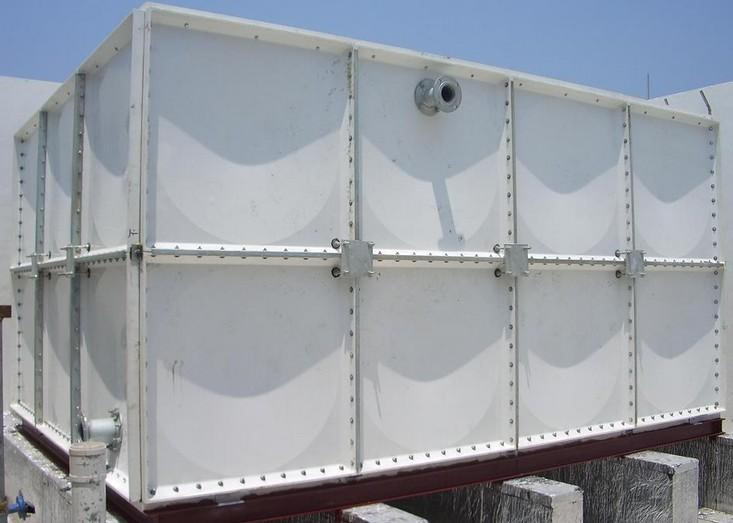
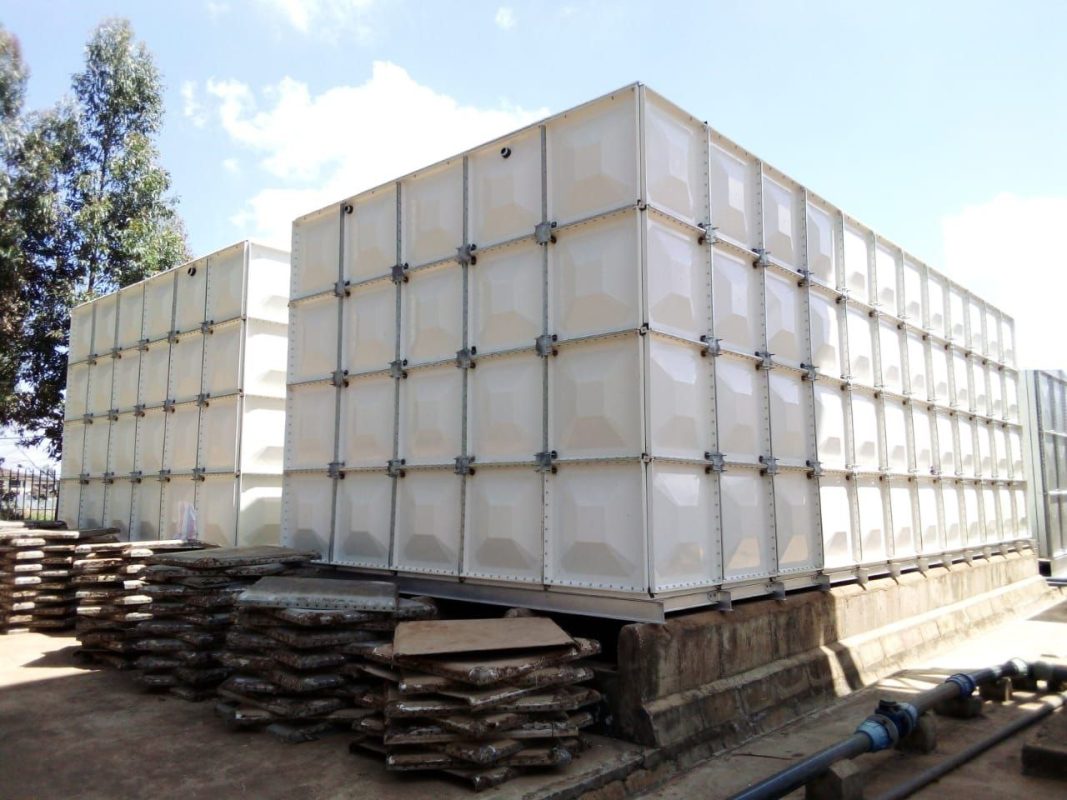
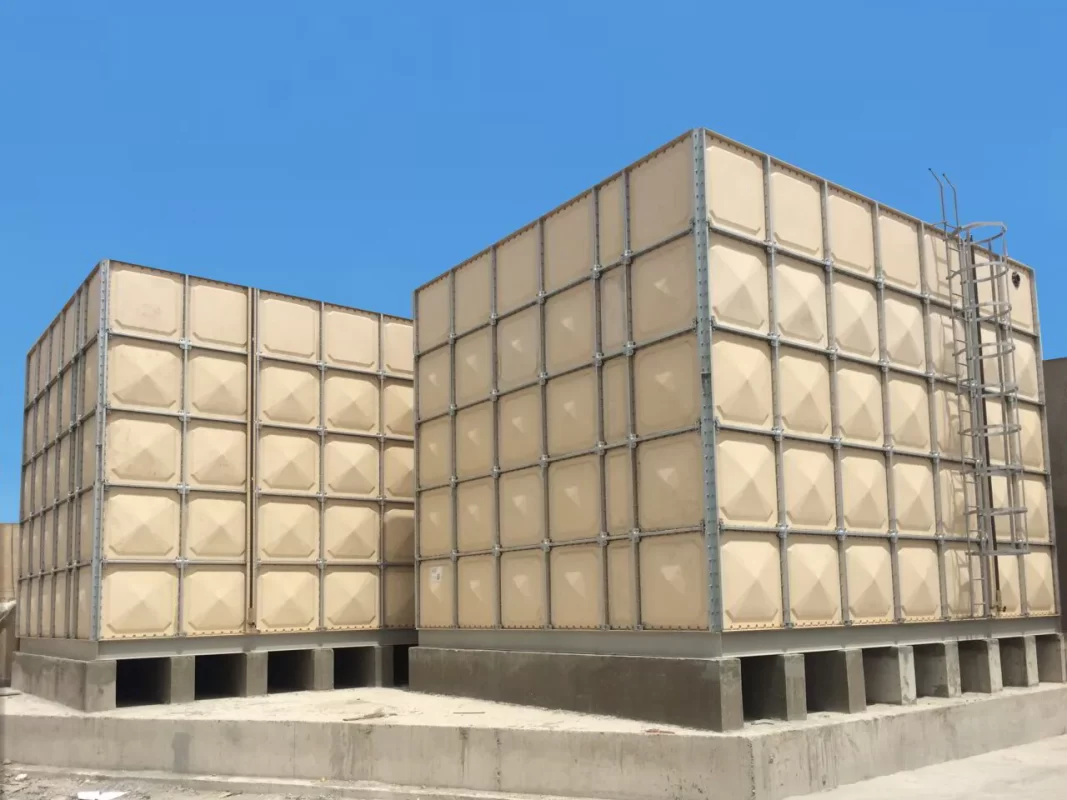
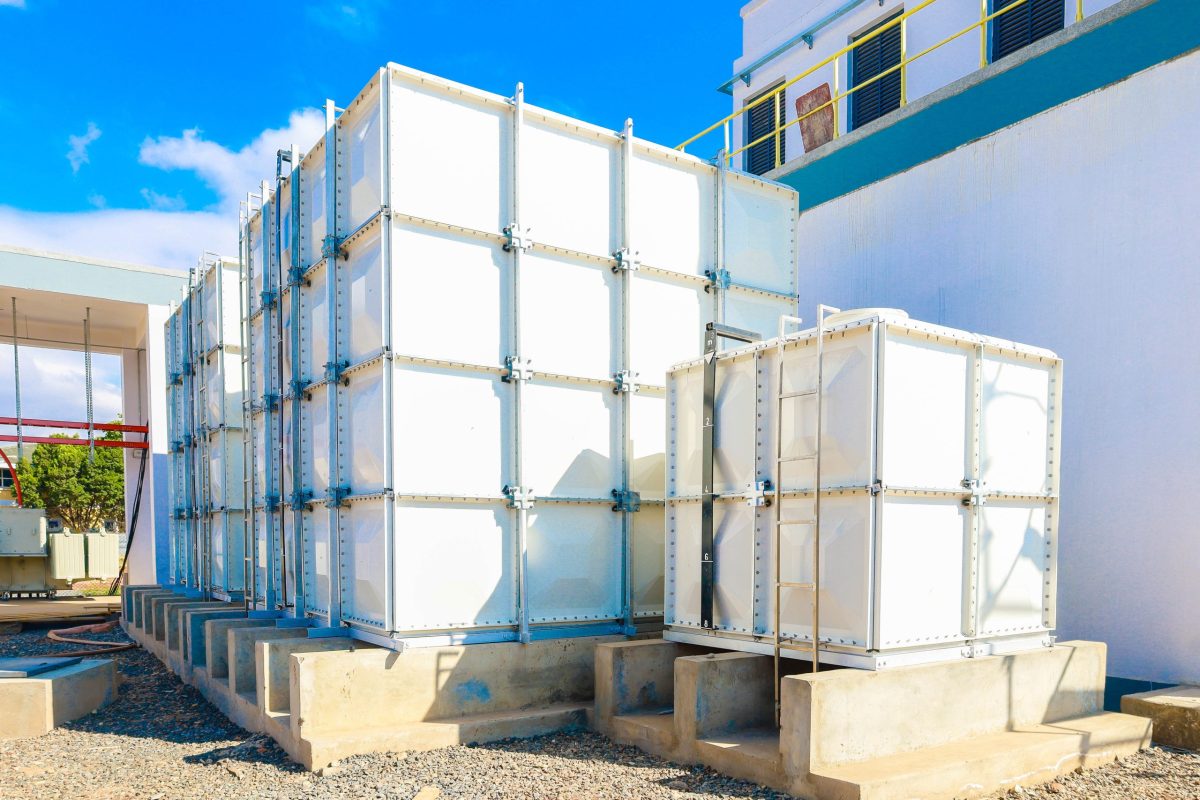
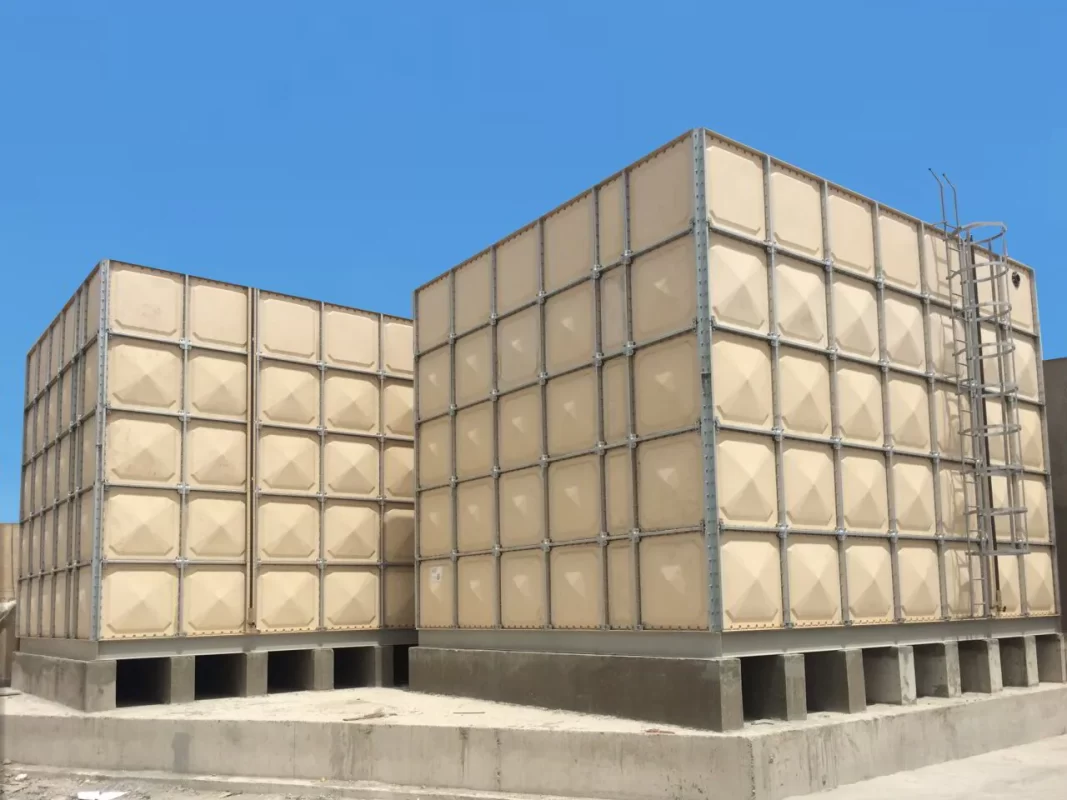
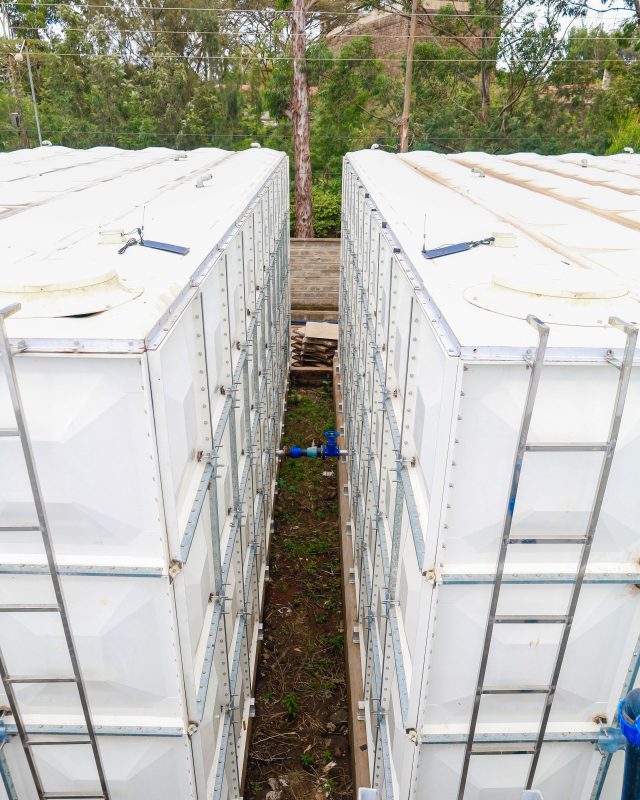
GRP tanks are available in a variety of formats: one‑piece molded tanks, but more commonly for larger scale use in Kenya the sectional/modular “panel” type tanks — i.e., tanks made by bolting together panels on‑site. refinareastafrica.com+1
Current Price Ranges in Kenya (2026 Buyer’s Guide)
Based on recent available data:
-
For smaller domestic GRP tanks (approximately 500 L to 2,000 L): typical pricing is KES 10,000 to KES 60,000. aquosys.co.ke+1
-
For medium capacity tanks (for instance 5,000 L to 10,000 L): typical range is KES 80,000 to KES 250,000+. aquosys.co.ke
-
For large “sectional / modular” GRP tanks (e.g., 20,000 L to 50,000 L or more): pricing can start from around KES 400,000 and go up to KES 1,000,000+ or much higher, depending on specifications. aquosys.co.ke
These are indicative ranges — actual cost will vary depending on many factors (capacity, configuration, site, installation, reinforcement).
What Drives the Price of GRP Water Tanks in Kenya
When evaluating GRP water tanks, the headline capacity number (litres) is only one part of the cost driver. Here are the key factors that influence price:
1. Capacity & Size
Larger storage volumes require more material (panels, gaskets, supports), larger foundations, and more complex structural reinforcement. Thus, cost rises with capacity.
2. Tank Type & Configuration
-
A simple ground‑level GRP tank is the lowest cost.
-
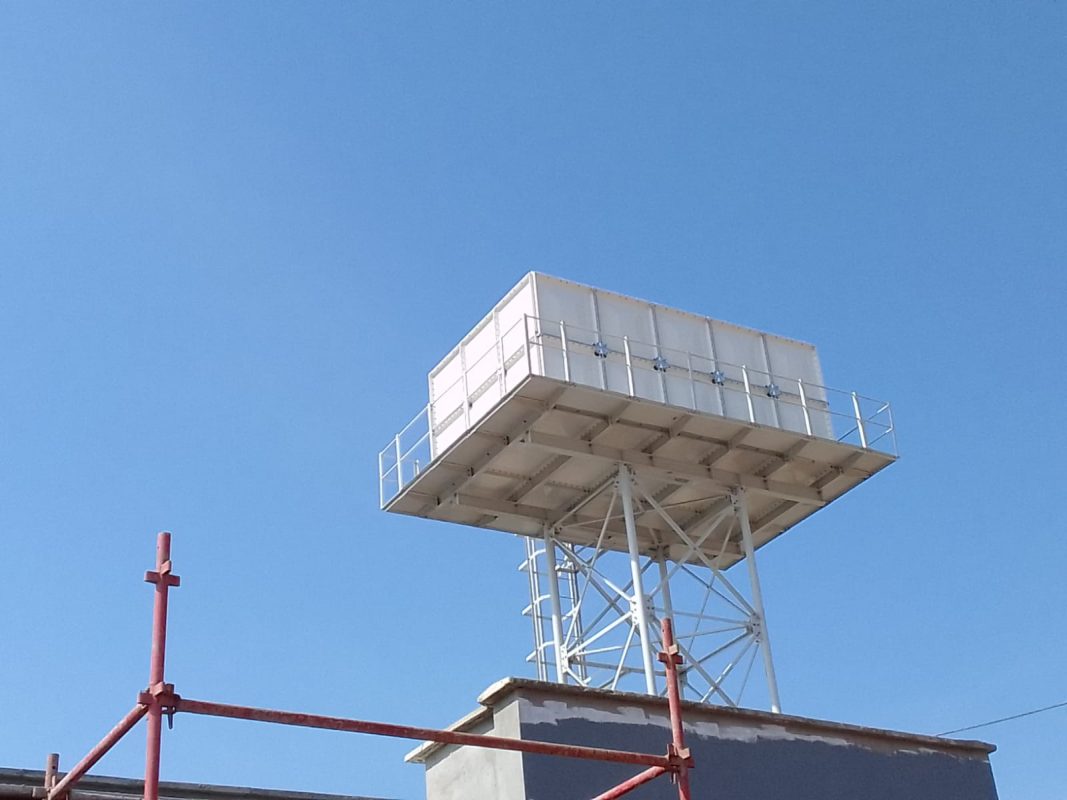
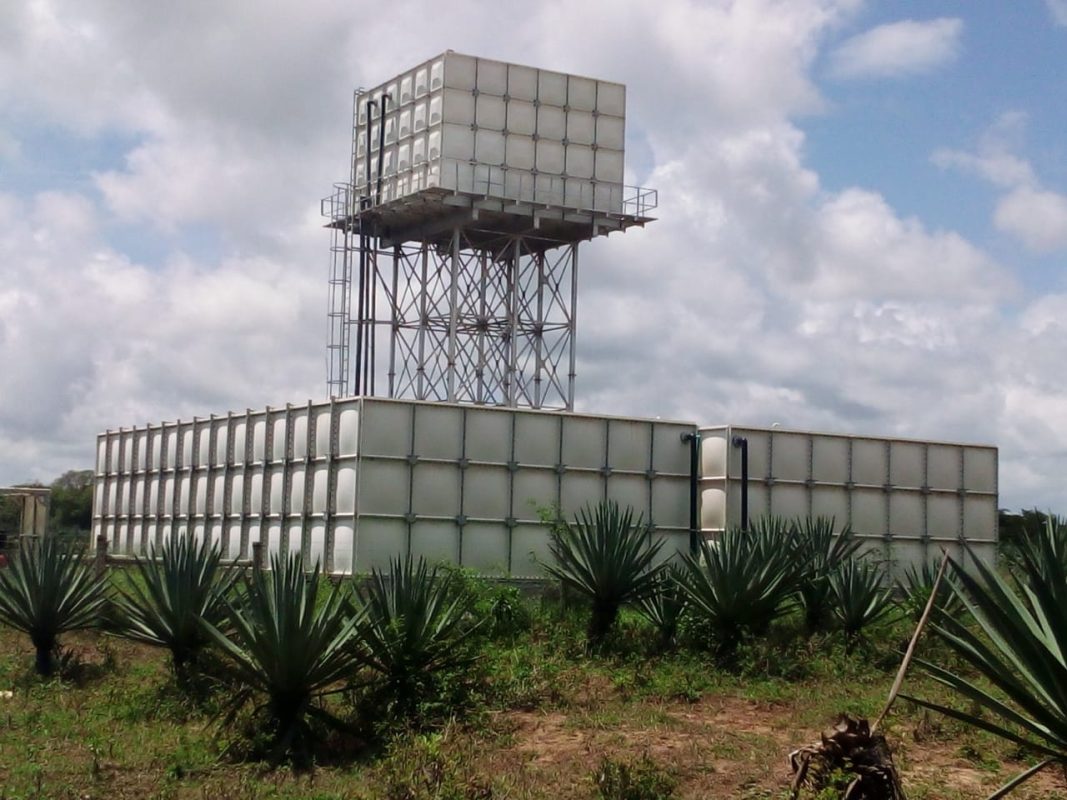
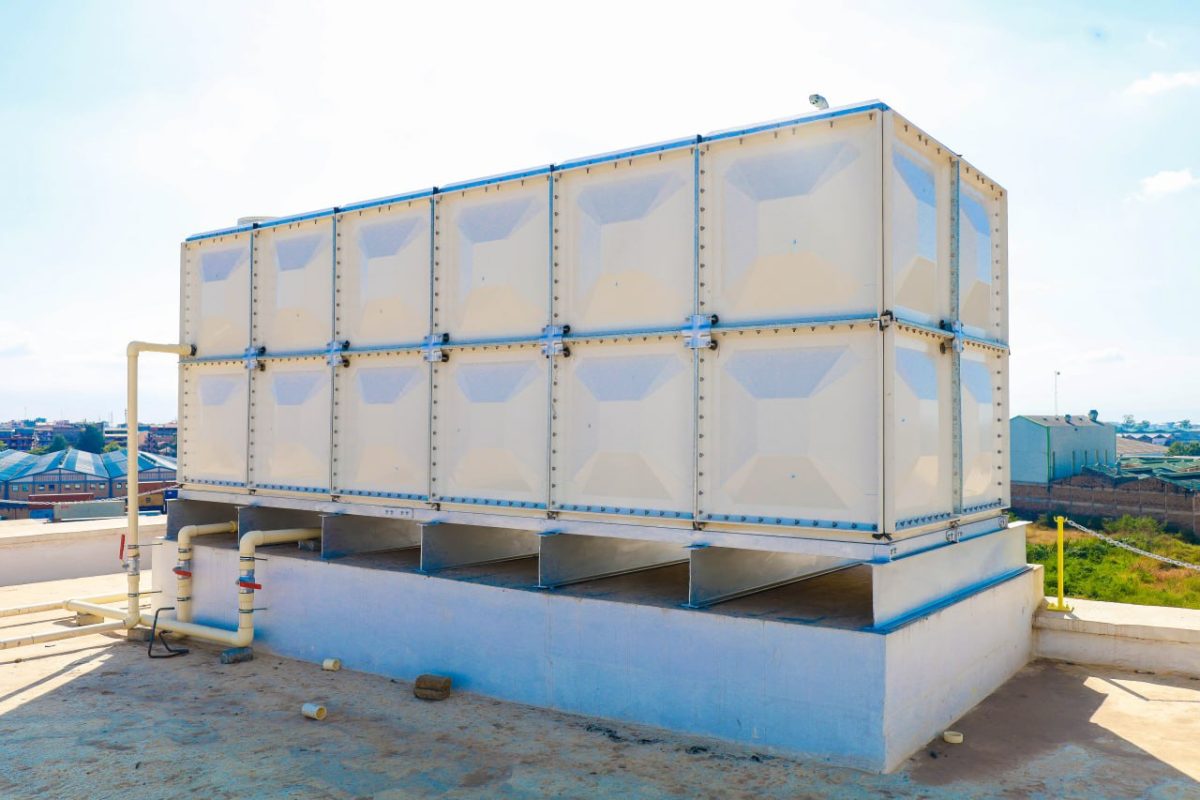
Elevated tanks (e.g., rooftop or elevated platforms) or underground installations add significant cost (foundation work, structural steel, lifting, access).
-
Sectional modular tanks (panels bolted on site) for large volumes require logistics, panel transport, on‑site labour, and sometimes special reinforcement.
-
Custom shapes or constrained site access add cost.
3. Material & Reinforcement Specifications
-
Panel thickness, resin grade, glass‑fibre content, certification (food grade, potable water safe) impact cost.
-
Reinforcement systems (internal tie‑rods, external bracing) used to maintain panel integrity under water pressure add cost. aquosys.co.ke+1
-
Accessories: manholes, ladders, level gauges, insulation (if storing hot water or temperature‑sensitive applications) all add cost.
-
For potable water storage, hygiene standards may require higher grade materials.
4. Installation & Site Conditions
-
Civil works: foundation slab, retaining walls, structural steel supports, access roads etc.
-
Transportation: remote site, difficult access, heavy lifts increase cost.
-
Labour: skilled installation versus simple assembly.
-
Commissioning and testing: for municipal/industrial tanks extra supervision and testing may apply.
-
Maintenance access: design for future inspection may add cost.
5. Brand, Certification & After‑Sales Support
-
Tanks from certified manufacturers (e.g., ISO 9001, KEBS certified, food‑grade certified) often carry premium pricing but lower risk. aquosys.co.ke+1
-
Warranty, spare‑parts availability and service support add value (often a good justification for higher price).
-
Local manufacturing versus imported: local manufacture may reduce transport cost but quality must be verified.
6. Replacement Cost & Lifespan Considerations
-
A cheaper tank may have a shorter useful life or higher maintenance cost; a higher upfront cost GRP tank can deliver decades of service with minimal maintenance, thereby lowering cost per litre over time.
-
Lifecycle cost is more important than just purchase price.
How to Evaluate the Value: GRP vs Other Materials
When you compare GRP tanks with plastic, steel or concrete tanks, cost must be considered alongside durability, maintenance, hygiene, flexibility and lifespan.
GRP vs Plastic (Polyethylene / Rotomoulded)
-
Plastic tanks are inexpensive upfront and good for small domestic applications. But they have limitations: often limited capacity, less customisation, vulnerable to UV degradation, shorter lifespan.
-
GRP tanks have higher upfront cost but much longer lifespan, better structural capacity for large volumes, suitable for industrial/municipal scale, better hygiene and durability.
-
For example, according to Aquosys: “Are GRP tanks better than plastic tanks? Yes. GRP tanks last longer, are more resistant to weather conditions, and can store both water and chemicals safely.” aquosys.co.ke
GRP vs Steel & Concrete
-
Steel tanks: heavy, prone to corrosion unless coated/maintained, may need special foundation, often higher lifetime maintenance cost.
-
Concrete tanks: very heavy, require concrete structure, may crack or leak over time, less flexible for expansion.
-
GRP tanks: lightweight (easier installation), corrosion‑free, modular (so easier to extend/modify), minimal maintenance, longer service life. As noted by Aquosys: GRP tanks are “50+ years” in lifespan when properly installed. aquosys.co.ke
Total Cost of Ownership (TCO)
To evaluate value: estimate cost per litre for the lifetime of the tank including installation, maintenance, repairs, downtime, replacement. A higher cost GRP tank may prove cheaper over 20‑30 years than multiple replacements of plastic, or heavy maintenance of steel/concrete tanks.
Practical Steps Before Purchasing a GRP Tank in Kenya (2026)
Here is a checklist to ensure you make an informed decision:
Define Your Capacity & Use Scenario
-
Estimate actual demand: daily water usage × number of days storage required.
-
Consider future extension: space to expand the tank if needed.
-
Determine location: ground level, rooftop, basement, underground.
-
Confirm purpose: potable water, fire‑fighting reserve, industrial process water, irrigation, etc.
Request Detailed Quotations
-
Ask for full breakdown of cost: tank panels, accessories, transport, installation, foundation, commissioning.
-
Compare at least two suppliers.
-
Clarify what is included and what is not: installation, civil works, testing, warranty.
-
Lead‑time: how long until delivery & installation.
-
Ask for warranty terms & post‑installation support.
Check Material & Certification
-
Ensure panels are indeed GRP (glass‑fibre reinforced) and appropriate resin grade, panel thickness etc.
-
For potable water: check food‑grade certification, non‑toxic gaskets, smooth interior finish.
-
Ask for test certificates or manufacturer data sheets.
-
For large tanks: check reinforcement specification (tie‑rods, bracing) and design drawings.
-
Supplier like Aquosys provides specification: panels 5mm to 24mm thickness, capacity up to several million litres. aquosys.co.ke+1
Evaluate Site Conditions & Installation
-
Check site access, transport logistics, foundation readiness.
-
Ensure base slab or steel channel specification is included.
-
Consider whether installation is by specialist contractor or supplied by tank manufacturer.
-
Review installation guide – e.g., Aquosys installation guide shows step by step base channel, base plate, side panel installation. aquosys.co.ke
-
Confirm maintenance access: manholes, ladders, cleaning ports, water quality monitoring.
-
Ask about guarantee on installation, leaks, panel alignment.
Compare Long‑Term Value, Not Just Upfront Cost
-
Estimate expected lifespan: for quality GRP tanks it may be 25‑30 years or more; some manufacturers state 50+ years. aquosys.co.ke
-
Estimate maintenance costs over time: cleaning, inspection, gaskets, minor repairs.
-
Estimate replacement cycles: if cheaper tank needs replacing in 5‑10 years vs GRP lasts 30 years, the cheaper may end up costlier per year of service.
-
Consider value of reliability: in commercial/industrial/hospital projects, downtime or contamination risk is expensive.
Verify After‑Sales Support & References
-
Ask the supplier for references of completed projects, particularly of similar size/type.
-
Ask about spare‑parts availability, support services, maintenance schedule.
-
For example, Aquosys lists a portfolio of projects across Kenya & East Africa. aquosys.co.ke+1
-
Check warranty: what is covered (panels, leaks, structural failure) and for how long.
Why Choose Aquosys Limited for Your GRP Water Tank Investment
When you invest in a major water storage solution, choosing the right manufacturer‑installer matters. Here’s why Aquosys Limited is a strong choice:
-
Aquosys is registered, certified (ISO 9001:2015, KEBS) and specialises in GRP water tanks in Kenya & East Africa. aquosys.co.ke+1
-
They design and manufacture modular sectional GRP tanks with capacities ranging from domestic to multi‑million litre industrial reservoirs. aquosys.co.ke+1
-
Their website indicates: “Stop Fixing Tanks. Start Forgetting Them. Tanks that outlive buildings.” aquosys.co.ke
-
They offer turnkey installation, including site support, and provide a detailed installation guide. aquosys.co.ke+1
-
Their durability promises (50+ years, hygienic/food‑grade panels) support long‑term value. aquosys.co.ke
-
Nationwide & regional service: Kenya, Uganda, Tanzania, Rwanda, etc. Ensures broader support. aquosys.co.ke
-
Choosing Aquosys means you are positioning your project for minimal future maintenance, high reliability, and strong resale/investment value.
Case Examples & Capacity vs Price Insight
While detailed itemised pricing for large tanks is often project‑specific and confidential, the published guide provides important benchmarks:
-
Domestic tank (500 L‑2,000 L) : KES 10,000‑60,000. aquosys.co.ke+1
-
Medium tank (5,000 L‑10,000 L) : KES 80,000‑250,000+ . aquosys.co.ke
-
Large sectional tanks (20,000 L‑50,000 L+): From KES 400,000 upward. aquosys.co.ke
For example, if you require a 30,000 L GRP sectional tank for a commercial facility, you might budget around KES 500,000‑800,000 depending on site and specifications. If you were to choose a plastic tank for the same capacity you may save initially but face higher risk of maintenance, poorer durability, or shorter lifespan — increasing effective cost per litre over time.
Key Mistakes to Avoid When Buying a GRP Tank
To ensure you don’t make an expensive mistake, here are some common pitfalls:
-
Focusing only on lowest upfront price. You must factor in installation, foundation, accessories, maintenance and lifespan.
-
Ignoring site readiness. If your foundation or slab is inadequate, you may incur major extra cost or risk structural failure.
-
Assuming all tanks are the same. GRP quality varies: resin grade, glass fibre content, panel thickness and quality of assembly matter.
-
Lack of maintenance access. No ladders, manholes, or cleaning ports may lead to expensive retrofits or inaccessible segments.
-
Poor quality installation. Even the best tank will fail prematurely if installed poorly (leaks, panel deformation, mis‑alignment).
-
Ignoring total cost of ownership. A cheap tank with short service life may cost more in the long run.
-
Missing references and after‑sales support. If manufacturer has no track record, you are taking higher risk.
Budgeting Checklist & Cost Per Litre Metric
When you are comparing quotes, consider using cost per litre as a rough metric:
-
Example: If a tank is quoted at KES 800,000 for 20,000 L, cost per litre = KES 40.
-
Use similar computations for other capacities to compare across suppliers.
-
Also ask: what capacity uses base price, and what adds cost (installation, transport, foundation, accessories).
-
Ask: what is expected lifespan? If 30 years vs 10 years, the cost per year of service is significantly different.
-
Ask for clear scope: is installation included? Is warranty included? Are accessories included?
Summary: Why GRP Tanks Are Smart for Long‑Term Investment in Kenya
-
GRP water tanks offer high durability, corrosion resistance, hygiene (important for potable water/hospitals/schools), and minimal maintenance.
-
In Kenya, well‑designed GRP tanks from a credible manufacturer offer a lifespan of 25‑30 years or more — some claim 50+ years. aquosys.co.ke
-
The upfront cost is higher than simple plastic tanks, but when you account for capacity, lifespan, maintenance and risk, GRP often delivers better value.
-
When using for large scale (commercial, industrial, municipal) applications, GRP modular sectional tanks make sense in terms of scalability and flexibility.
-
Choosing a reputable supplier like Aquosys Limited gives you value‑added: certified panels, local support, proven track record, installation services, and warranty.
-
Always budget comprehensively (tank + installation + foundation + accessories + transport) and evaluate over lifetime rather than only purchase price.
-
Use cost per litre and lifespan to compare effectively across options.
Request Your Quotation from Aquosys Limited
If you are planning a project and need reliable, long‑term water storage solutions, consider getting a full‑scope quotation from Aquosys Limited — tailored to your capacity, site conditions and application.
CONTACT DETAILS:
Aquosys Limited
sales@aquosys.co.ke
+254 754 750 750 | +254 729 749 749
Visit: Get in Touch
COUNTRYWIDE PROJECT SUPPORT AVAILABLE
Expert installation & engineering support
Large‑scale & custom designs available
Serving Kenya, Uganda, Tanzania, Rwanda, South Sudan, Ethiopia & beyond