GRP vs. Steel vs. Concrete Tanks: The 2026 Cost & Lifespan Comparison for East Africa

GRP vs. Steel vs. Concrete Tanks: The 2026 Cost & Lifespan Comparison for East Africa
Water storage is a critical concern for industries, municipalities, and developers across East Africa. With increasing urbanization, inconsistent rainfall, and growing water demand, the choice of water storage infrastructure directly impacts long-term operational costs and water security. Traditionally, concrete and steel tanks have been the default choices, but over the last decade, Glass Reinforced Plastic (GRP) tanks have emerged as the most reliable and cost-efficient option. As 2026 approaches, many organizations are re-evaluating their capital investments — comparing GRP, steel, and concrete tanks in terms of cost, durability, hygiene, and maintenance.
This detailed analysis breaks down everything you need to know when comparing these three tank types. It explores their installation requirements, lifespan, cost implications, maintenance cycles, and suitability for East Africa’s diverse climate zones — from coastal humidity to highland temperature extremes.
Understanding the Three Tank Materials
GRP Water Tanks in Kenya
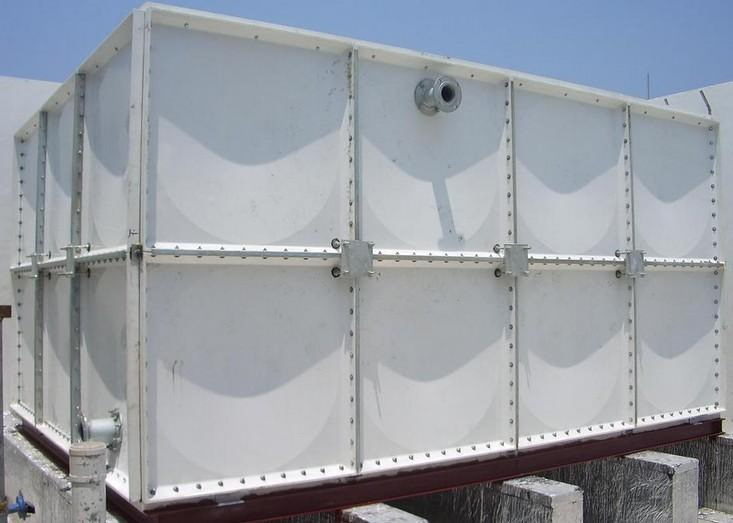
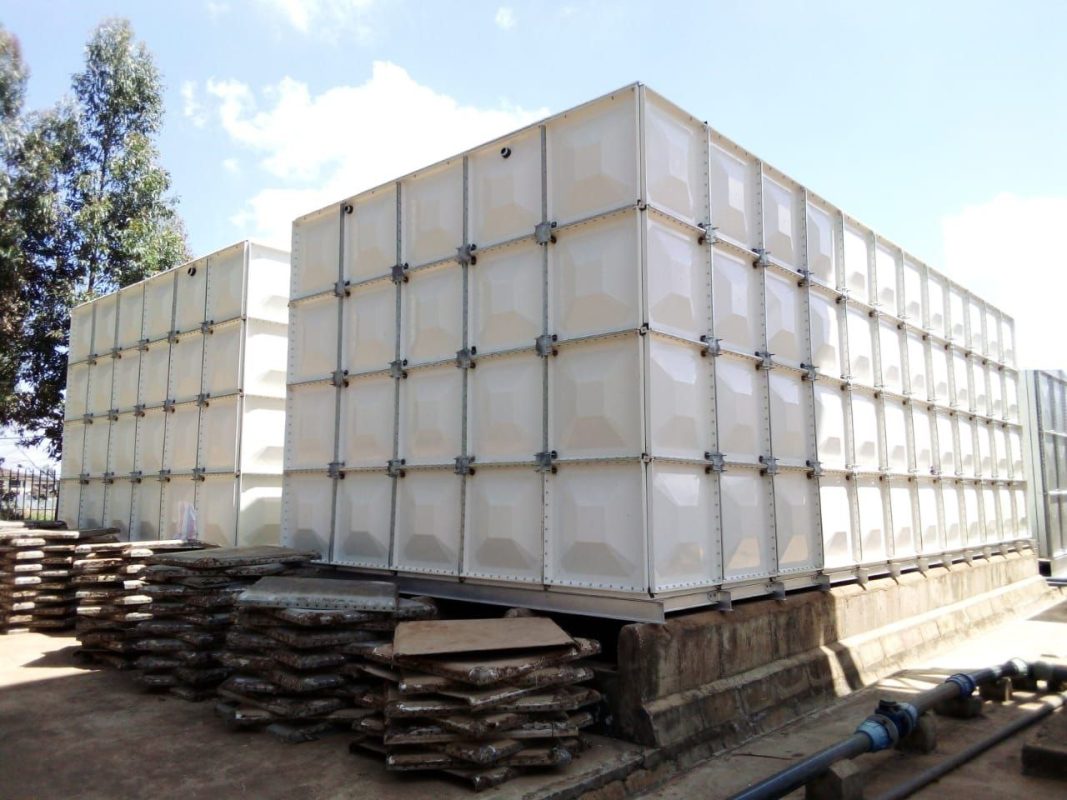
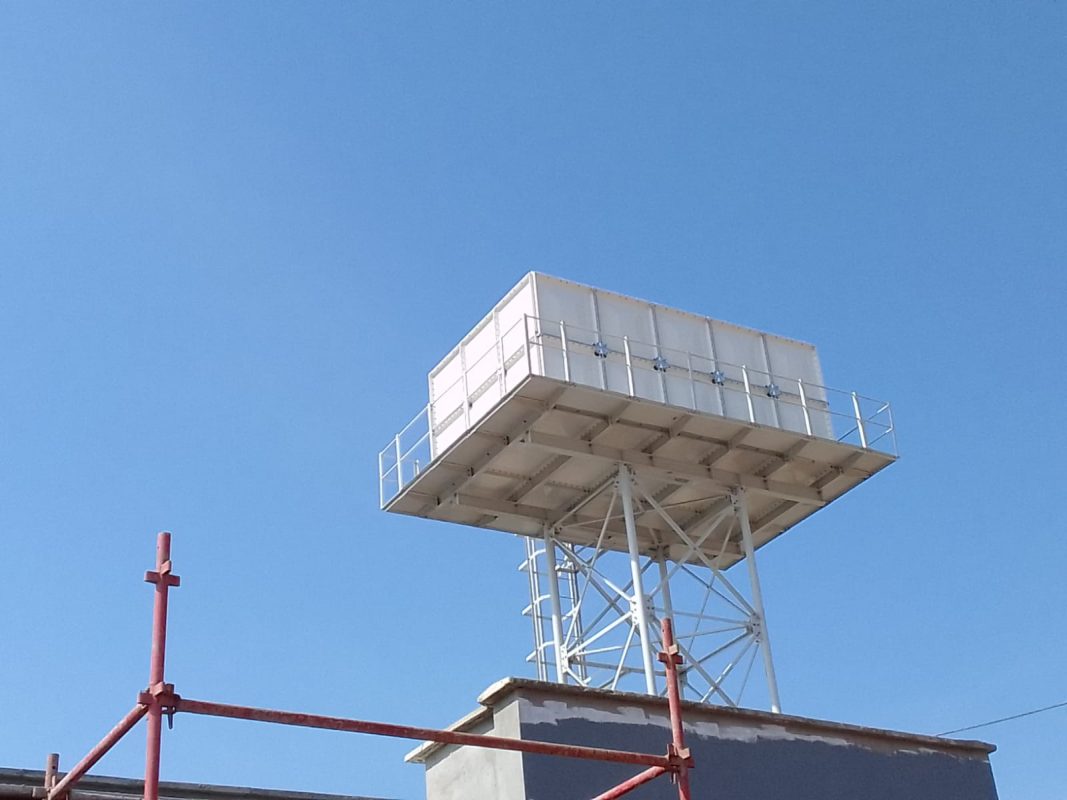
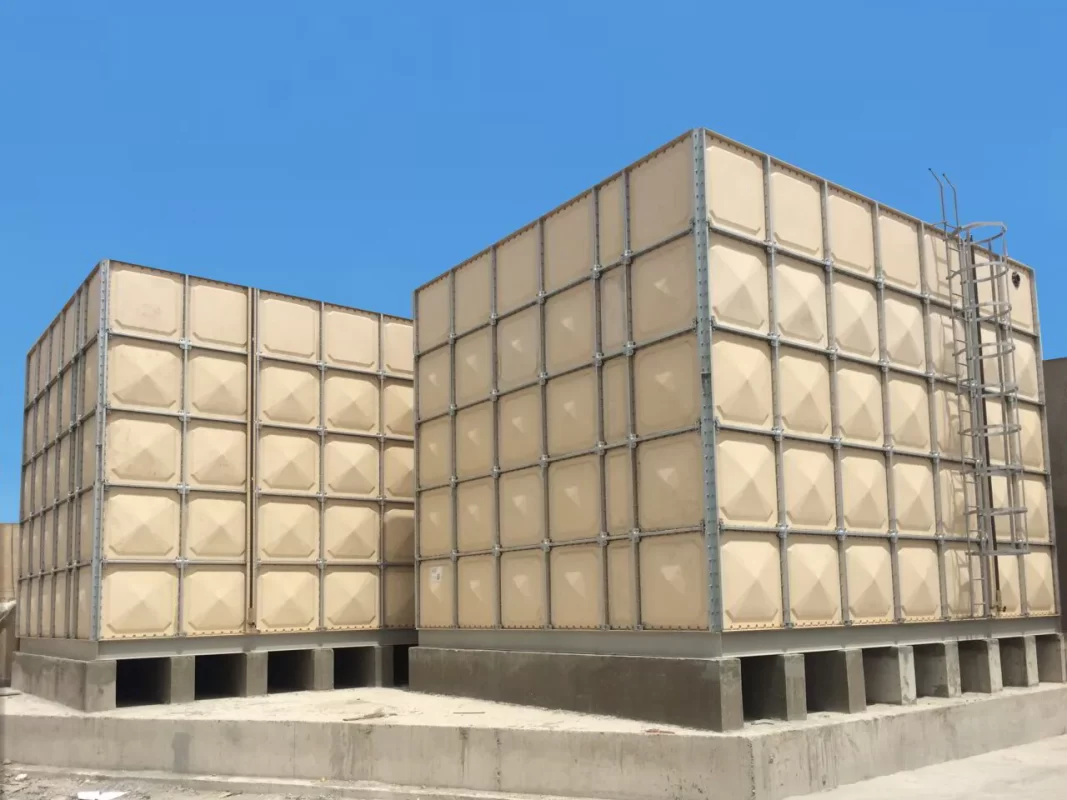
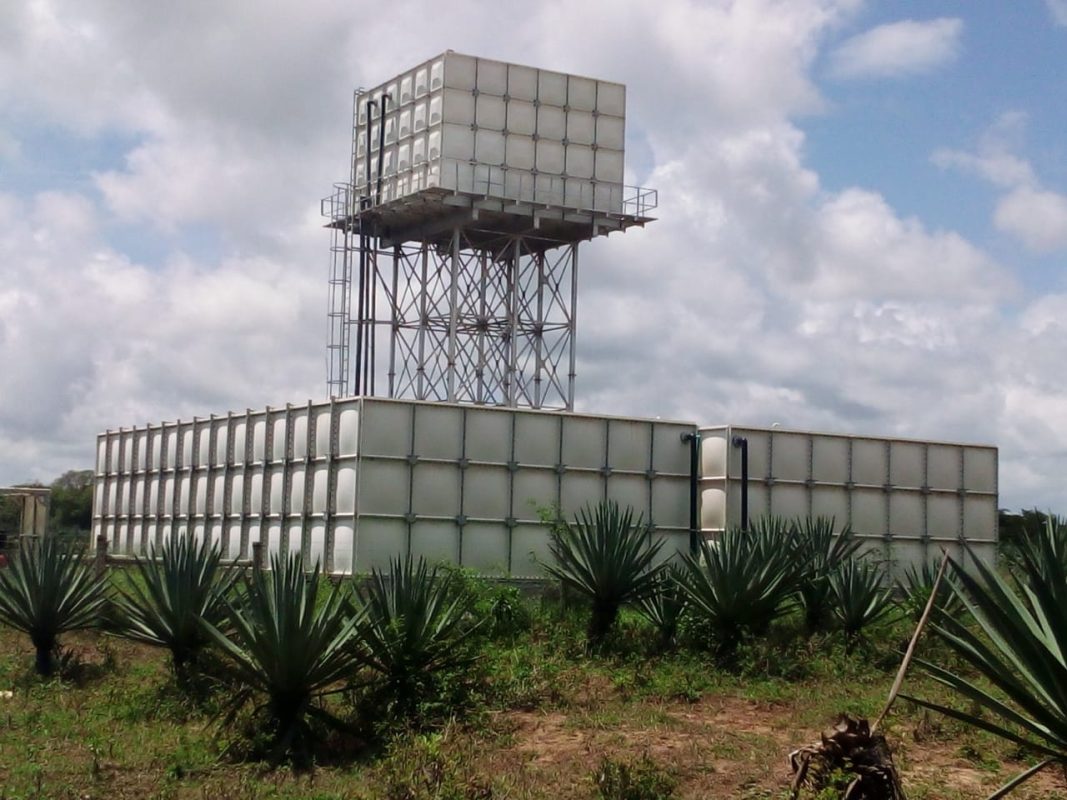
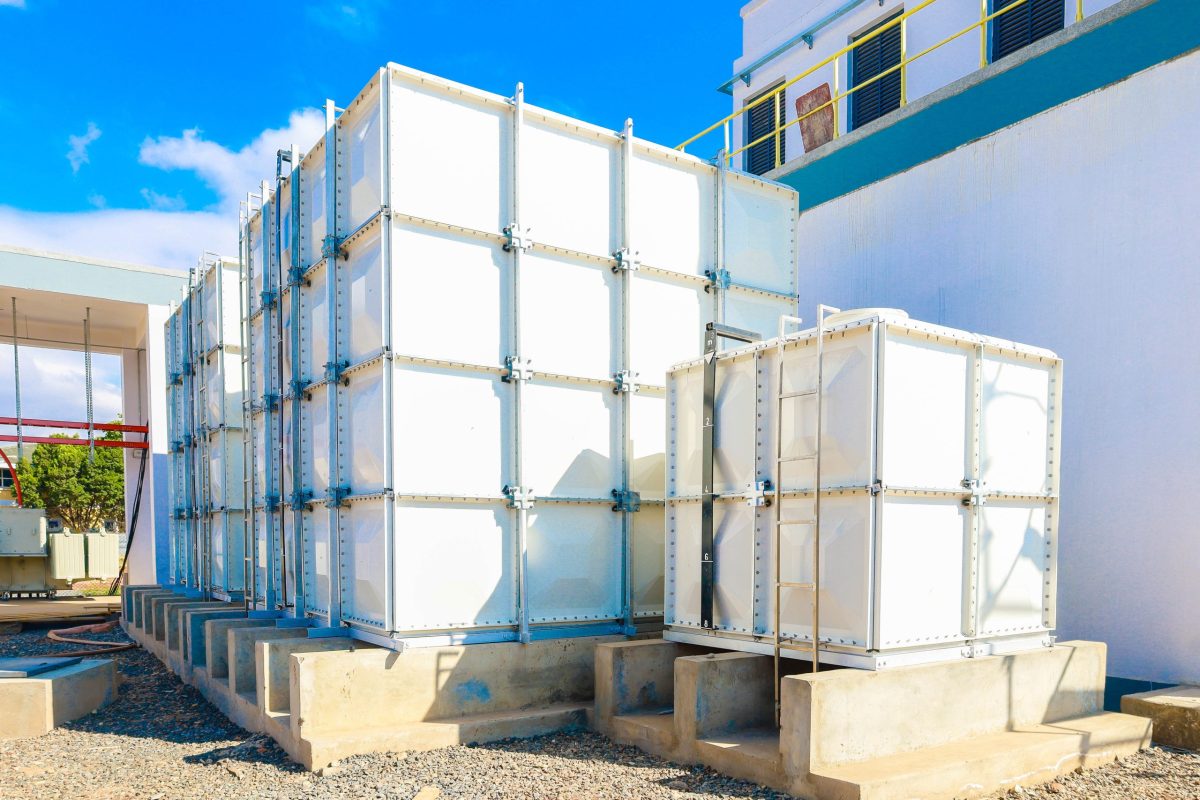
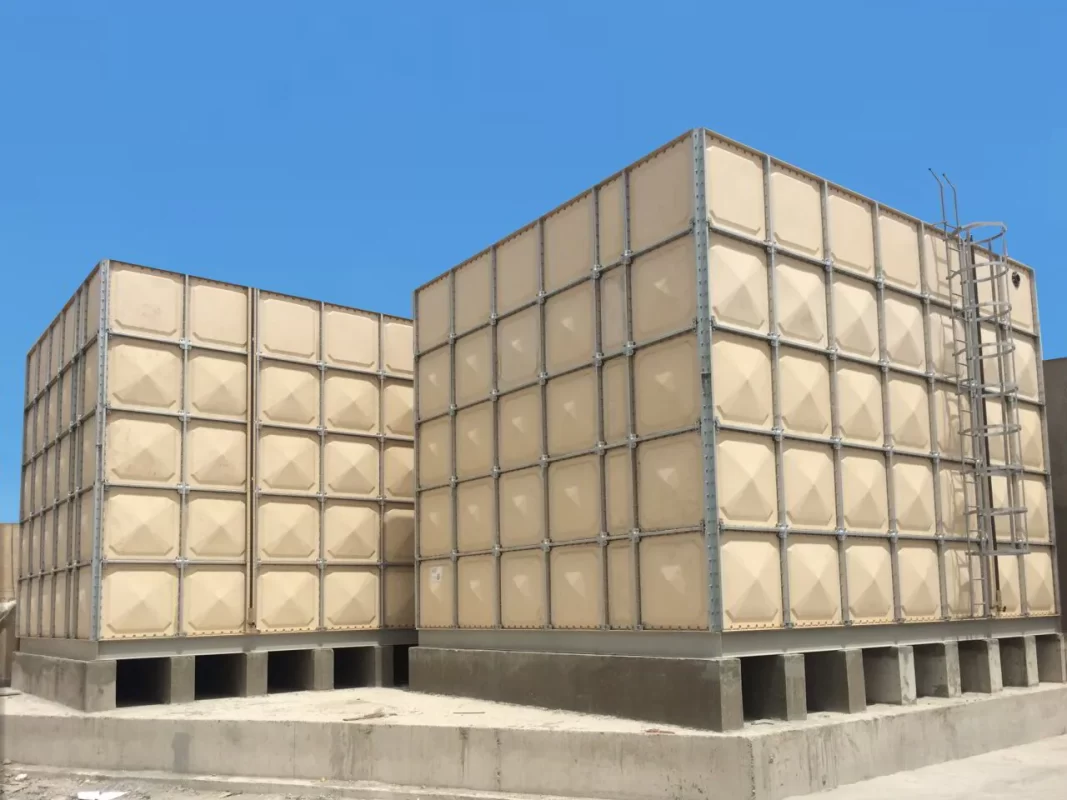
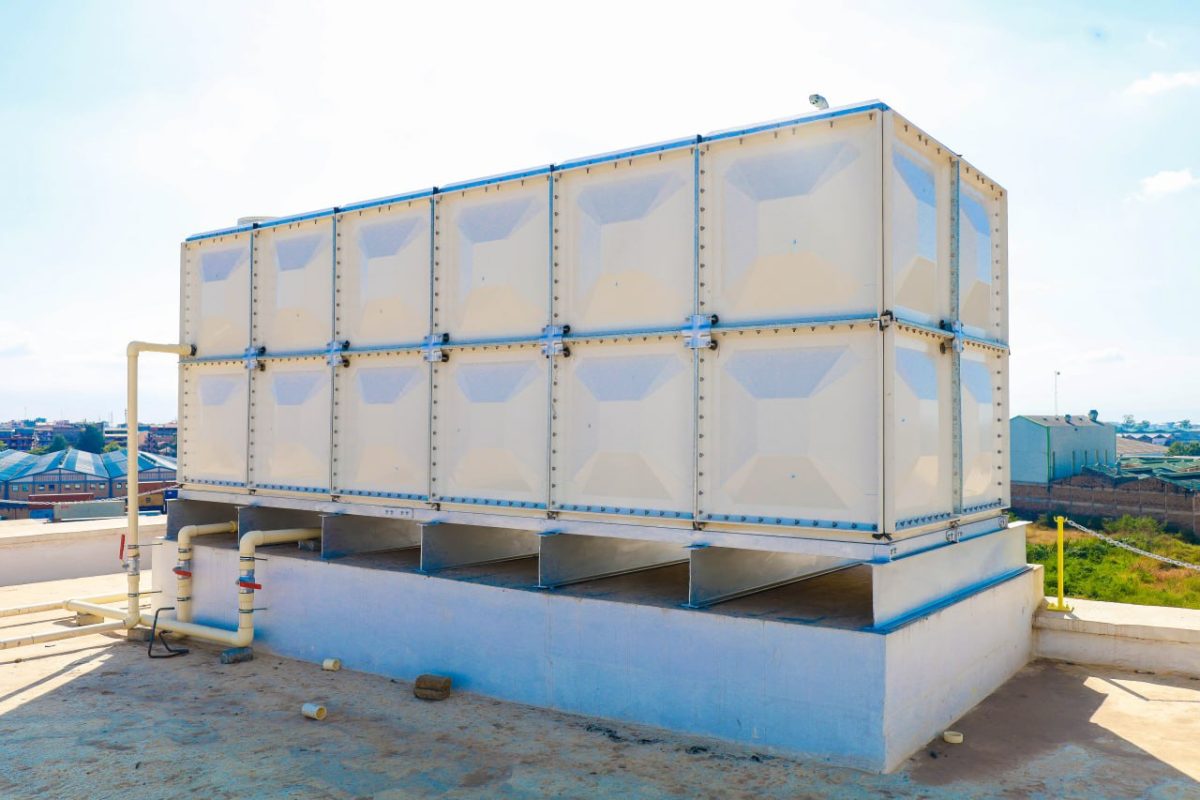
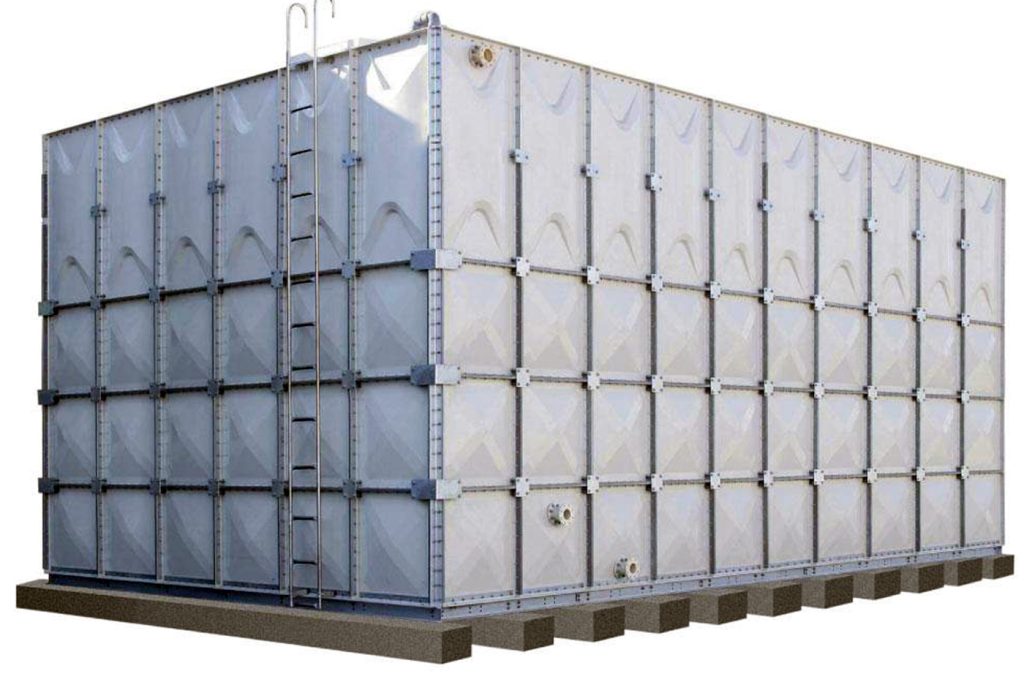
GRP (Glass Reinforced Plastic) water tanks are made from a composite of fiberglass and thermosetting resin. This combination delivers excellent strength-to-weight ratio, resistance to corrosion, and long-term structural integrity. GRP tanks are typically modular — built from sectional panels bolted together on-site — making them ideal for installations where access is limited or crane lifting is not feasible.
At Aquosys Limited, sectional GRP water storage tanks are precision-engineered to meet international standards. These tanks are used across municipal water projects, commercial buildings, schools, hospitals, and industrial facilities. Their non-corrosive and hygienic properties make them especially suited for potable water applications where water quality preservation is a must.
Steel Water Tanks
Steel tanks, either fabricated from mild steel, galvanized steel, or stainless steel, have been a traditional choice due to their mechanical strength. They can be manufactured as welded tanks, bolted modular tanks, or corrugated sheet designs. While strong and rigid, steel tanks are prone to corrosion — especially in coastal regions or industrial zones with high humidity and chemical exposure.
To combat corrosion, steel tanks must be coated or lined internally and externally, which adds to the initial cost and introduces recurring maintenance needs. Galvanized coatings, epoxy paints, or rubber linings are common, but their effectiveness depends on the quality of application and periodic renewal.
Concrete Water Tanks
Concrete tanks are among the oldest storage structures used in East Africa. They are either cast in place or constructed from precast panels. Concrete tanks are extremely rigid and can handle large capacities — even millions of litres — but they require substantial civil works, including formwork, reinforcement, curing, and waterproofing.
The key weakness of concrete tanks is permeability and cracking. Unless waterproofed and lined properly, they are prone to leakage over time. Additionally, as water chemistry changes, concrete surfaces can leach materials that affect water taste or quality. Regular re-lining or application of waterproof membranes is essential to maintain long-term integrity.
Cost of GRP Tanks vs. Steel and Concrete
Cost of GRP Tanks in Kenya
In 2026, GRP tank prices in Kenya depend on size, design pressure, and site requirements. For instance, a 100,000-litre sectional GRP tank typically ranges between KSh 850,000 to KSh 1.3 million, depending on insulation, partitioning, and installation scope. While this may appear higher upfront than a basic steel tank, the savings in maintenance and replacement make GRP more economical over time.
Because GRP panels are lightweight and modular, transportation and installation costs are significantly lower than for concrete or welded steel alternatives. A 100,000-litre GRP tank can be installed within a week, whereas a similar-capacity concrete tank may require several weeks of curing and civil works.
Cost of Steel Tanks
Corrugated or galvanized steel tanks of 100,000 litres can cost between KSh 600,000 and KSh 1 million, but this price often excludes the cost of coatings and internal liners. Welded steel tanks of similar capacity can cost up to KSh 1.5 million, especially when designed for high-pressure or industrial applications.
Over a 20-year horizon, maintenance — repainting, re-lining, and corrosion control — typically adds 30–50% to the steel tank’s lifecycle cost. Steel tanks are also heavier, requiring reinforced concrete bases, further increasing civil costs.
Cost of Concrete Tanks
Concrete tanks vary widely in cost because of local construction conditions. On average, a 100,000-litre cast-in-place concrete tank costs between KSh 1.2 million and KSh 2 million, including reinforcement, formwork, and waterproofing. However, the extended construction time (often three to six weeks) can create indirect costs due to delays in project completion.
Furthermore, waterproofing membranes or epoxy coatings must be renewed every 8–10 years, adding significant recurring expenses. Crack repair and seepage issues can also escalate costs over time.
Lifespan Comparison
Lifespan of GRP Tanks
Modern GRP water tanks have an expected lifespan of 25 to 40 years, depending on maintenance and site conditions. Their corrosion resistance and UV stability make them especially long-lasting in hot, humid, and saline environments — conditions common in Kenya, Tanzania, and coastal East Africa.
Aquosys GRP panels are designed for minimal degradation under UV exposure and temperature fluctuations. Unlike steel or concrete, GRP does not rust, corrode, or react chemically with stored water, maintaining high water quality throughout its life.
Lifespan of Steel Tanks
Well-maintained steel tanks can last 20 to 30 years, but this requires regular surface treatment. In coastal or industrial regions, corrosion can begin within a few years if protective coatings are compromised. Over time, pitting and internal rust may lead to leaks, reducing service life.
Lifespan of Concrete Tanks
Concrete tanks are structurally long-lasting — potentially 40–50 years — but their waterproofing systems often fail earlier. Re-lining is typically required every 7–15 years, depending on material and exposure. Structural cracks caused by settlement or temperature variation can further reduce durability.
Advantages of GRP Tanks vs. Steel and Concrete
-
Corrosion Resistance – GRP is immune to rust and chemical degradation, unlike steel.
-
Lightweight Construction – GRP panels are easy to transport and install, reducing logistics costs.
-
Hygiene – Smooth, non-porous inner surfaces prevent algae growth and bacterial contamination.
-
Low Maintenance – Requires only occasional cleaning and inspection.
-
Temperature Stability – GRP maintains water temperature and structural integrity even under extreme conditions.
-
Flexibility in Design – Modular panel systems allow customized shapes and sizes for rooftops, basements, or open grounds.
These benefits make GRP tanks an ideal choice for municipalities, schools, hospitals, high-rise developments, and industries seeking long-term value and reliability.
For detailed characteristics and structural composition of Aquosys GRP systems, see the Characteristics and GRP Panels sections on our website.
Applications of GRP Tanks in East Africa
Aquosys Limited’s GRP water storage systems are deployed across Kenya, Uganda, Tanzania, Rwanda, Ethiopia, and South Sudan. Common applications include:
-
Municipal water supply systems where hygiene and reliability are critical.
-
High-rise residential and commercial buildings needing rooftop or basement storage.
-
Industrial process plants requiring corrosion-free chemical storage.
-
Schools and hospitals where clean water storage is essential.
-
Remote installations and humanitarian projects requiring lightweight, modular solutions.
The adaptability of sectional GRP water tanks makes them suitable for virtually any environment, including regions with poor road access.
Explore our Portfolio and Gallery for real project examples across East Africa.
Installation and Maintenance of GRP Tanks
A key factor in the long-term performance of any tank system is correct installation. GRP tanks should be installed on level concrete bases with proper joint sealing, torque control, and internal inspection before commissioning. Aquosys provides full installation guidance and technical supervision to ensure compliance with international standards.
Unlike steel or concrete, GRP installation is non-intrusive — no welding, no formwork, and no curing period. Most tanks can be assembled and commissioned in under a week.
For comprehensive guidelines, see the Installation and Reinforcement sections.
Maintenance involves simple cleaning and gasket checks, typically on an annual basis. There are no repainting or re-lining costs, making GRP ownership almost maintenance-free.
Why GRP Offers the Best Long-Term Value
When comparing total cost of ownership (TCO) across 25–30 years, GRP emerges as the most cost-effective option:
| Tank Type | Initial Cost (100,000L) | Maintenance | Typical Lifespan | 30-Year Cost Index (Relative) |
|---|---|---|---|---|
| GRP | KSh 1.0M | Very Low | 30–40 years | 1.0 |
| Steel | KSh 0.9M | Moderate to High | 20–30 years | 1.5–1.8 |
| Concrete | KSh 1.5M | High | 40–50 years (lining renewal) | 1.6–2.0 |
This comparison clearly shows that despite similar or slightly higher upfront costs, GRP offers unmatched long-term savings due to low maintenance and longer service life.
Environmental and Operational Considerations
GRP tanks also provide environmental benefits. Their lightweight design means less transportation energy and fewer emissions during installation. Because they require no painting or chemical coatings, there’s minimal environmental contamination during maintenance.
In contrast, steel tanks require periodic recoating using solvents and epoxy materials, and concrete tanks demand membrane replacements that generate waste materials.
Choosing the Right Supplier in East Africa
Not all GRP tanks are created equal. Quality depends on the resin system, reinforcement ratio, and panel molding precision. Aquosys Limited manufactures panels under strict quality control, ensuring every installation meets performance and hygiene standards required by engineers and regulators.
Clients can learn more about the technology, insulation options, and partitioning systems by visiting:
With over a decade of regional experience, Aquosys provides engineering support from design to commissioning, ensuring projects are completed efficiently and on schedule.
Conclusion
In 2026 and beyond, GRP water tanks stand out as the superior investment for East Africa’s growing infrastructure and water management needs. They combine durability, hygiene, and cost efficiency unmatched by traditional steel or concrete tanks.
For projects where reliability, hygiene, and long-term value are non-negotiable, Aquosys Limited’s GRP sectional tanks are the clear choice.
COUNTRYWIDE PROJECT SUPPORT AVAILABLE
Expert installation & engineering support
Large-scale & custom designs available
Serving Kenya, Uganda, Tanzania, Rwanda, South Sudan, Ethiopia & beyond
Contact Us
Aquosys Limited
sales@aquosys.co.ke
+254 754 750 750 | +254 729 749 749
Visit Us Online: Get in Touch