
How to Spot a Fake or Low‑Quality Water Tank in Nairobi

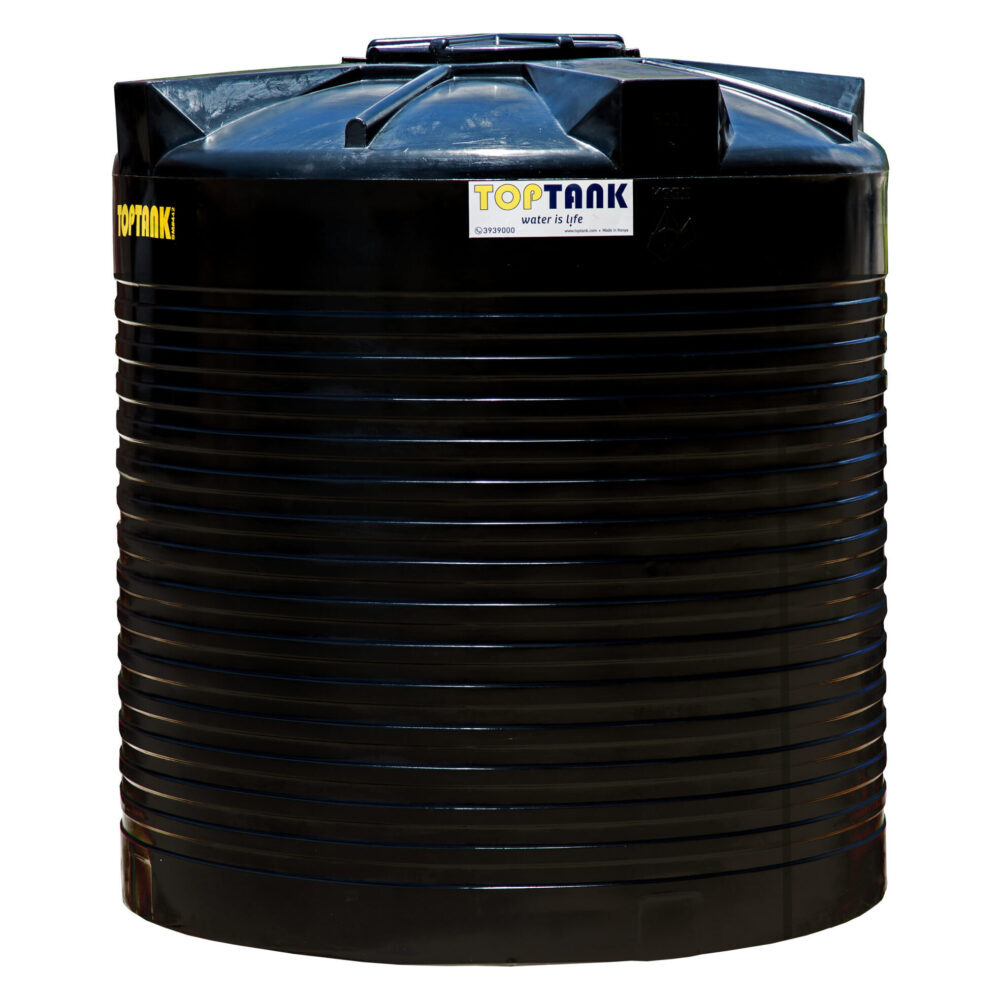
How to Spot a Fake or Low‑Quality Water Tank in Nairobi
Introduction
Water storage tanks are a critical investment for households, businesses, institutions, and industries in Nairobi — whether for domestic supply, rainwater harvesting, industrial use, or building water reserves. However, not all water tanks sold in the market meet the required standards of quality, hygiene, and durability.
Purchasing a fake or low‑quality water tank can lead to leaks, contamination, structural failure, frequent replacements, and ultimately higher lifetime cost. For anyone planning to buy a water tank — private homeowners, property managers, developers, or facility operators — it pays to know how to identify warning signs of substandard tanks and choose reliable, safe water storage solutions.
Below is a guide to help you spot red flags, evaluate water tanks properly, and avoid common pitfalls in Nairobi and beyond.
Key Warning Signs of Fake or Low‑Quality Water Tanks
Inadequate Material Quality and Unsafe Construction
-
Tanks made from recycled plastic or inferior materials: Many low-cost plastic tanks are produced using recycled plastic rather than virgin or food‑grade material. Such materials may degrade faster and can leach harmful substances into stored water. The Hans India+2Rain Harvest+2
-
Thin or weak tank walls: Tanks with overly thin walls are prone to bulging, cracking or collapsing when filled or over time. A robust tank should have sufficiently thick, uniform walls to resist water pressure and environmental stress. The Hans India+1
-
Visible seams or poor moulding quality: Lower‑end plastic tanks may be manufactured in two‑piece moulds, resulting in seams — which are potential weak points prone to leaks or splitting. Tanks made via rotational moulding (single‑piece moulding) tend to be stronger and more durable. Rain Harvest+1
-
Lack of UV protection or weather insensitivity: In Kenya’s climate (sun exposure, heat, seasonal rains), a tank without UV‑stabilized material or weather‑resistant properties can degrade fast — leading to brittleness, discolouration or structural damage. Shabbiri Hardware+1
Suspicious Brand, Dealer, Warranty or Certification
-
Unknown brands or dealers offering unusually low prices: Tanks offered by unknown or unbranded sources — especially with steep discounts — may be counterfeit or of inferior quality. There have been documented cases where fake accounts advertise major discounts to lure buyers. Africa Check+1
-
Absence of warranty or after‑sales support: Reliable tank manufacturers offer warranties or support for defects. A lack of warranty or extremely short warranty signals low confidence in product longevity and quality. Rain Harvest+1
-
No clear labelling, material specifications or certification: A genuine tank should clearly state material type (food‑grade, UV‑stabilized, etc.), capacity, manufacturer, and ideally some form of certification or compliance with health/hygiene standards. If this information is missing or vague, treat it as a red flag. Rain Harvest+2Rotomoulders+2
Practical Signs After Installation That Indicate Poor Quality
Even after purchase — or when evaluating a second‑hand tank — certain signs signal structural or hygiene problems:
-
Leaks, damp spots, bulging or deformation under load or after filling. These indicate weak structure, poor wall quality or faulty seams. KiTank Cleaning+1
-
Discoloured, cloudy, or foul‑smelling water, or visible algae/biofilm formation. Poor-quality tanks tend to have interior surfaces or materials that encourage microbial growth or allow contamination — especially if not sealed properly or not designed for potable water. KiTank Cleaning+1
-
Rapid deterioration: cracking, fading, brittleness, surface chalking or warping — particularly common for tanks exposed to sun or harsh weather, or made with substandard plastic. The Tank Factory+2Rotomoulders+2
What You Should Verify Before Buying a Water Tank in Nairobi
To protect yourself from buying a low-quality or fake tank, make these checks before purchase:
-
Confirm the tank material is food‑grade, UV‑stabilized plastic (or other approved safe material), not recycled or unknown plastic grades.
-
Inspect wall thickness, exterior and interior surface finish, seams (if any), and ensure moulding looks uniform and well‑finished (for plastic tanks).
-
Ask for product specifications: capacity, manufacturing process, material certification or compliance, age of tank, production batch, and manufacturing brand info.
-
Ensure there is a clear warranty and after‑sales support from a reputable dealer or manufacturer — this suggests confidence in product quality and longevity.
-
If possible, check or ask for testimonials or references from previous buyers; view other installations by the same supplier to verify consistency and quality.
Why Investing in Quality Tanks (GRP or Certified Tanks) Matters More Than Price
While low-cost tanks may look attractive financially, the risks and long‑term costs often outweigh the savings:
-
Contaminated or unsafe water can lead to health risks when the tank is used for drinking or household water. Especially where water hygiene matters (houses, institutions, commercial buildings).
-
Frequent repairs, replacements, or leaks result in higher lifetime cost and inconvenience.
-
Poor-quality tanks can fail during high demand or heavy use, leading to water shortages or damage — critical for households, businesses, hospitals or industries.
-
High-quality tanks (e.g. GRP or properly manufactured plastic) offer better durability, structural integrity, safe water storage, and long service life — making them a smarter investment.
How a Trusted Supplier (e.g. Aquosys Limited) Helps Ensure Water Tank Quality
When you work with a reputable manufacturer and installer — like Aquosys Limited — you benefit from:
-
Tanks manufactured with high‑quality materials and safe for potable water use.
-
Proper engineering and installation standards — including strong foundations, correct fittings, sealing, and compliance with hygiene standards. Aquosys+1
-
Warranty coverage, after‑sales support, and long‑term reliability.
-
Expert advice on suitable tank size, material, installation location, maintenance, and water demand analysis — helping you avoid costly mistakes.
Conclusion
Buying a water tank in Nairobi — or anywhere in Kenya — requires more than simply choosing a size or accepting the lowest price. You must ensure the tank is manufactured to safe standards, built with quality materials, and supplied by a trustworthy company.
By checking material quality, build integrity, certification, warranty, and inspecting real-world signs, you can avoid fake or low‑quality tanks. For reliable, safe, and long-lasting water storage, investing in high-quality tanks — installed by experienced professionals — is worth it.
Call to Action
If you’re looking for a safe, durable, and high-quality water tank for your home, business, or institution in Nairobi or anywhere in Kenya, contact Aquosys Limited for a reliable solution.
Email: sales@aquosys.co.ke
Phone: +254 754 750 750 | +254 729 749 749
Visit our contact page to request a quote and get expert guidance for your water storage needs.

