GRP Tank Maintenance Checklist: A Simple Guide to a 30-Year Lifespan

GRP Tank Maintenance Checklist: A Simple Guide to a 30-Year Lifespan
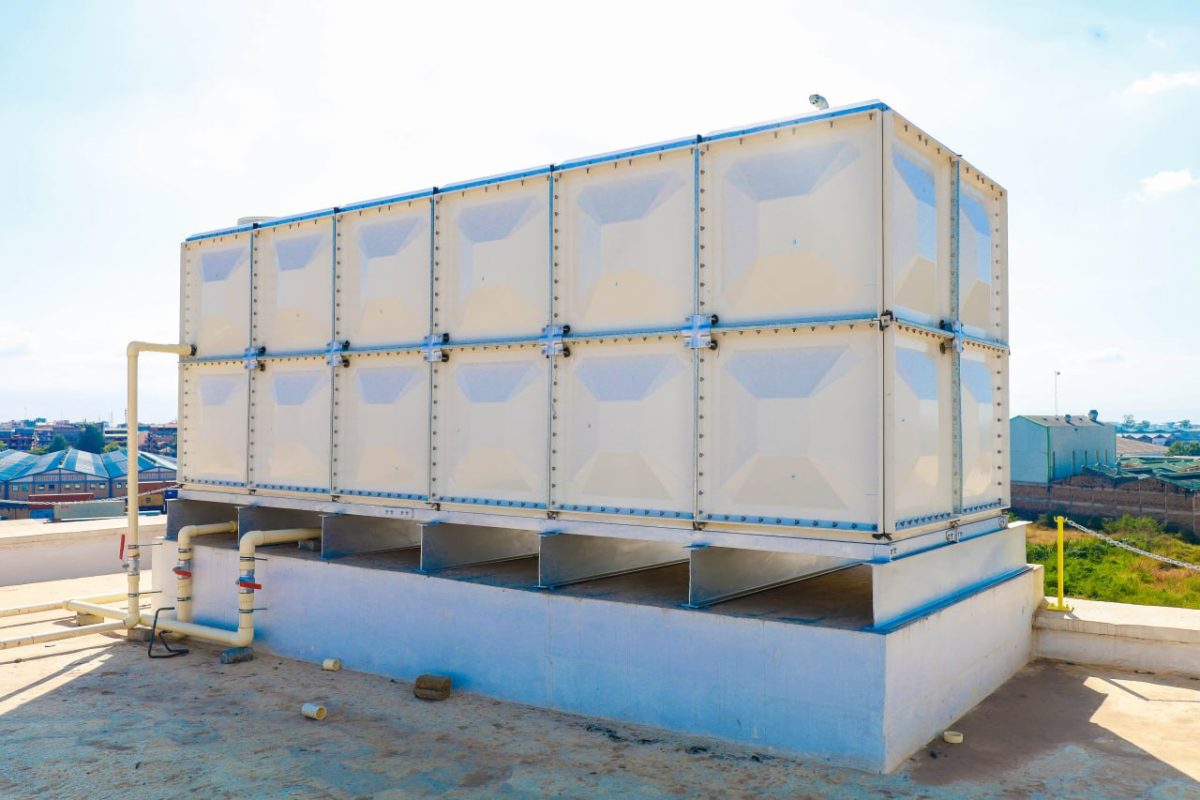
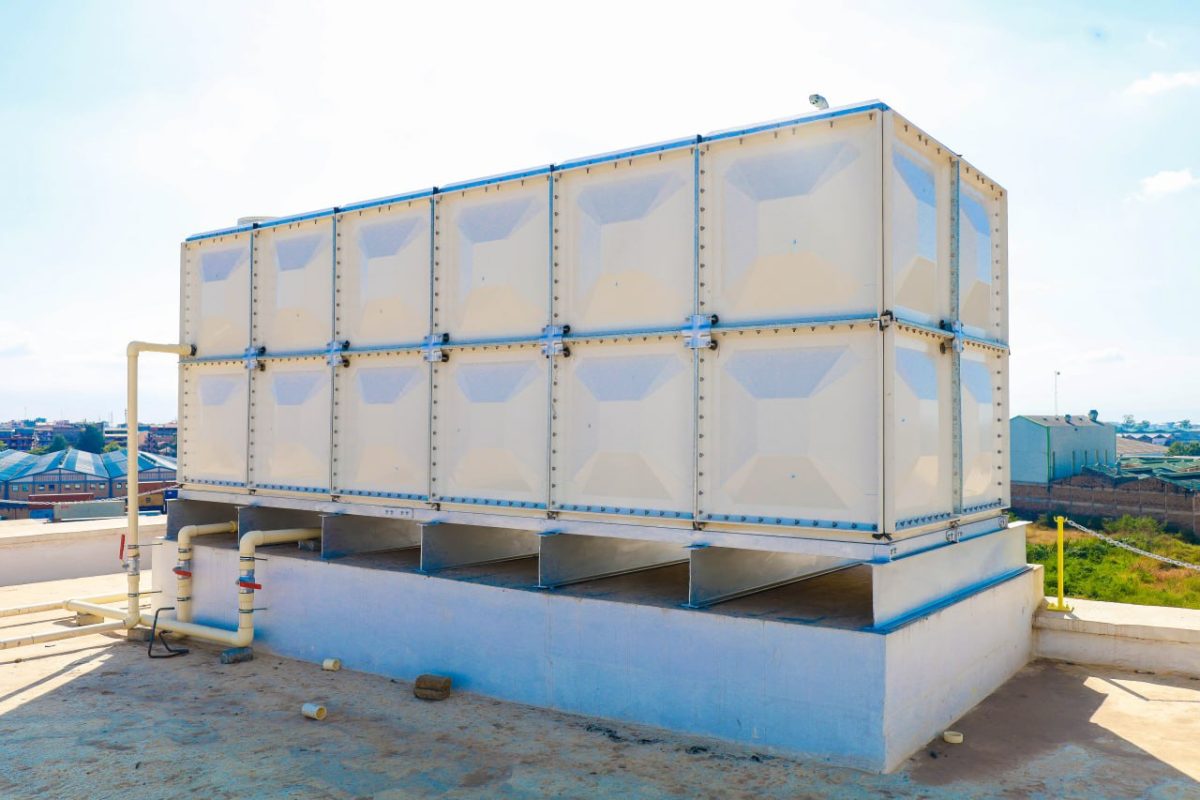
Maintaining a water storage solution is crucial for ensuring its durability, hygiene, and long-term performance. For modern water management, GRP water tanks in Kenya offer a superior option compared to traditional steel, concrete, or plastic tanks. With proper installation, regular maintenance, and careful monitoring, a GRP (Glass Reinforced Plastic) water tank can last over 30 years, delivering safe water for residential, commercial, industrial, and municipal applications.
This comprehensive guide will walk you through everything you need to know about sectional GRP water storage tanks, from benefits and applications to maintenance practices, inspections, and long-term care strategies.
Understanding GRP Water Tanks in Kenya
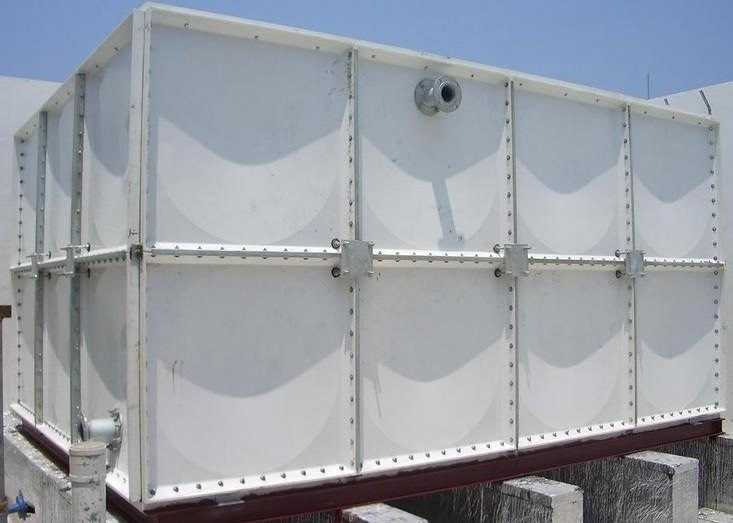
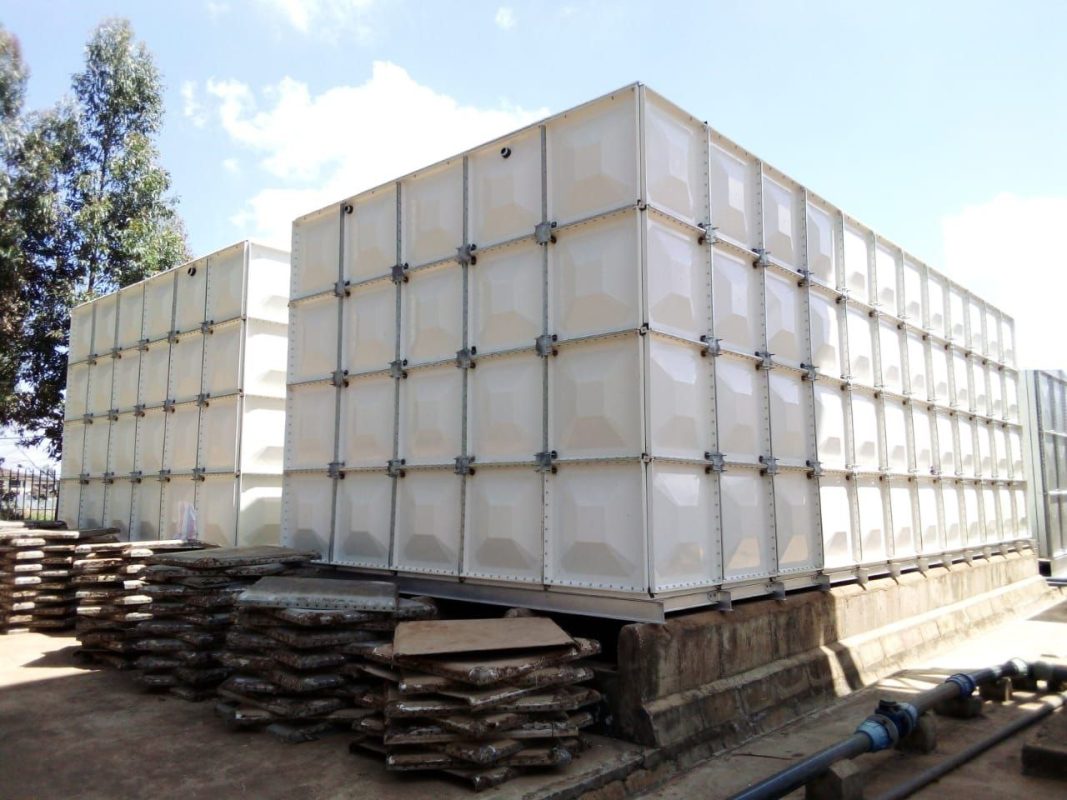
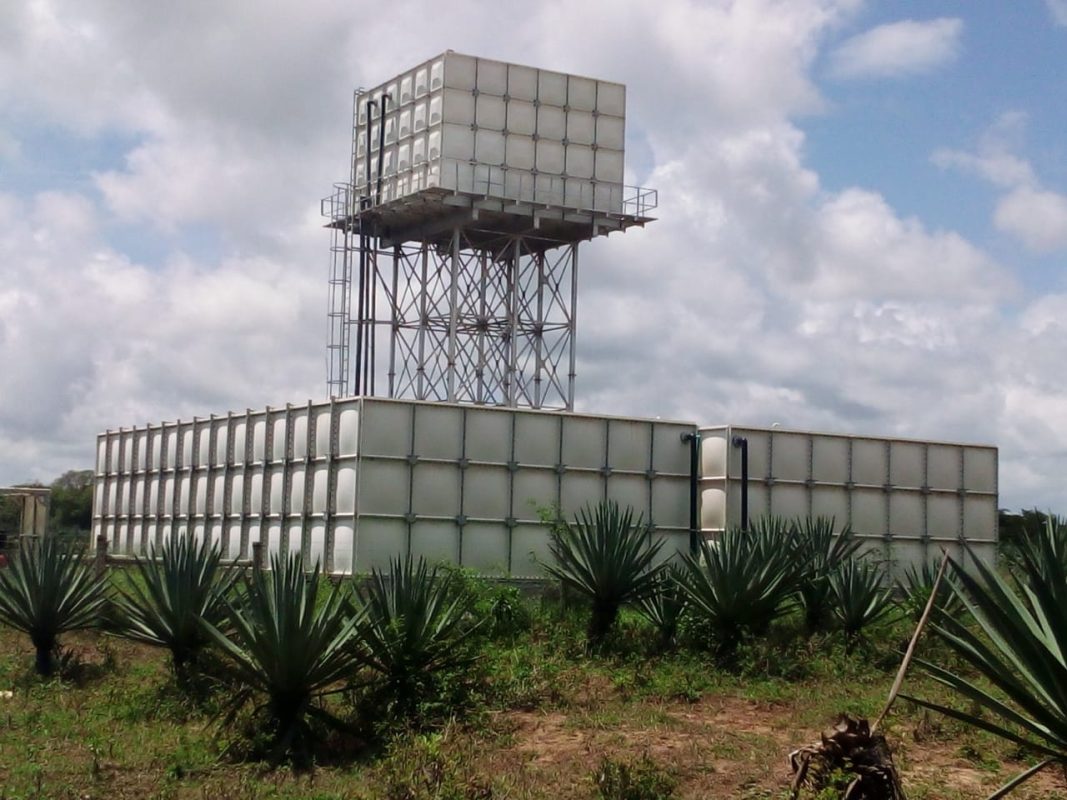
GRP water tanks, also known as fiberglass tanks, are constructed using glass fiber reinforced plastic panels bonded together to create a lightweight, durable, and corrosion-resistant water storage system. Unlike steel or concrete tanks, GRP tanks are fully modular, hygienic, and ideal for regions like Kenya and East Africa where water contamination, high temperatures, and infrastructure constraints are common.
Key advantages include:
-
Hygienic design: Smooth inner surfaces prevent bacterial growth.
-
Lightweight: Easier to transport and install than steel or concrete.
-
Corrosion resistance: Not susceptible to rust or chemical degradation.
-
Durability: Can withstand extreme weather, UV exposure, and chemical interactions.
Learn more about the characteristics of GRP tanks at https://aquosys.co.ke/characteristics/.
Sectional GRP Water Storage Tanks: Why They Are Ideal
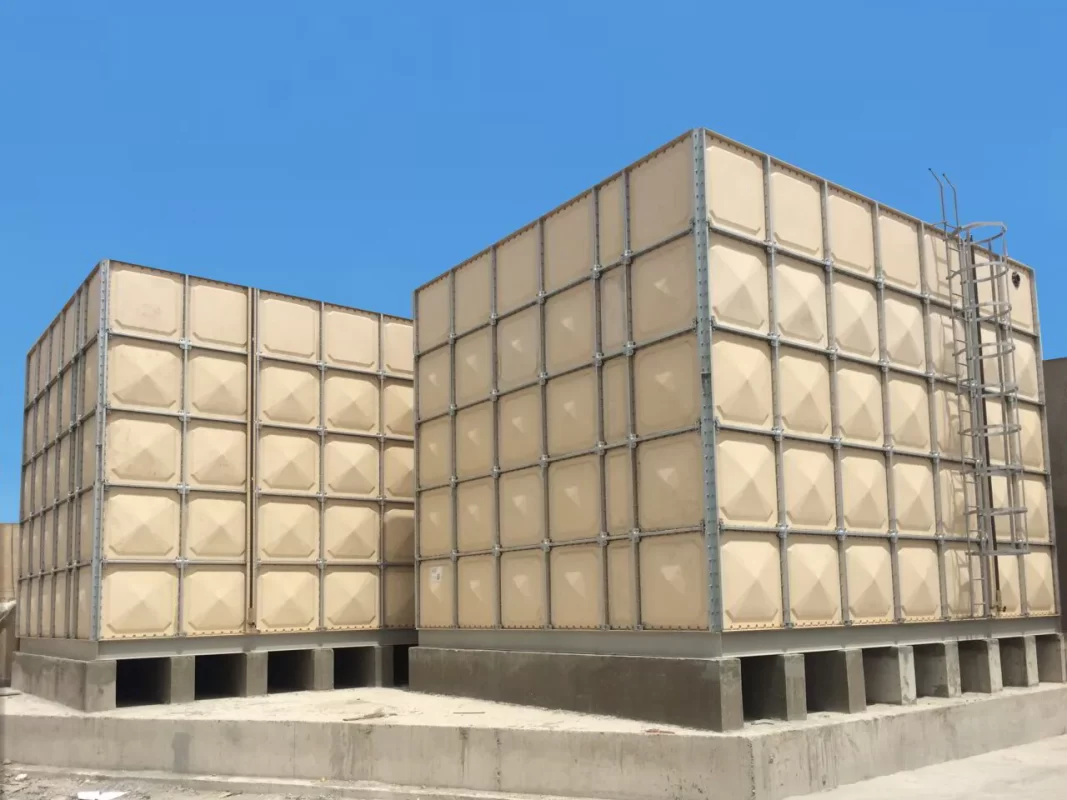
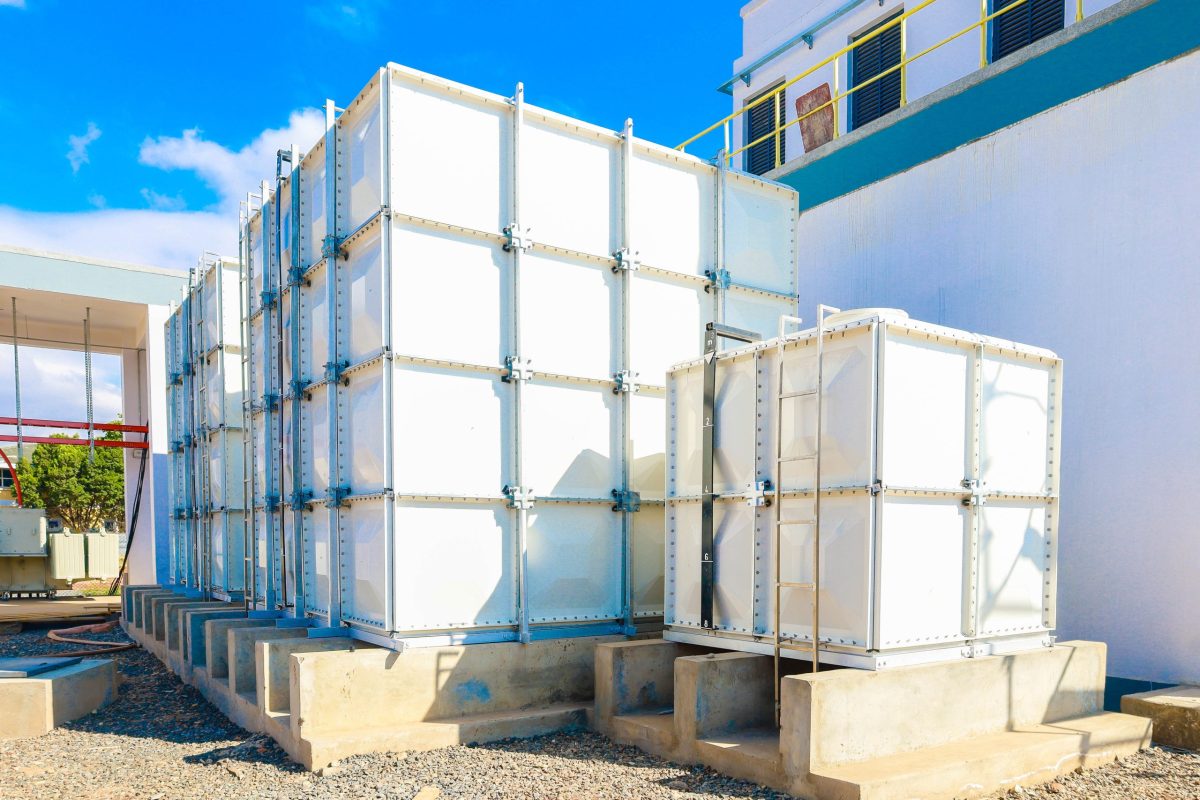
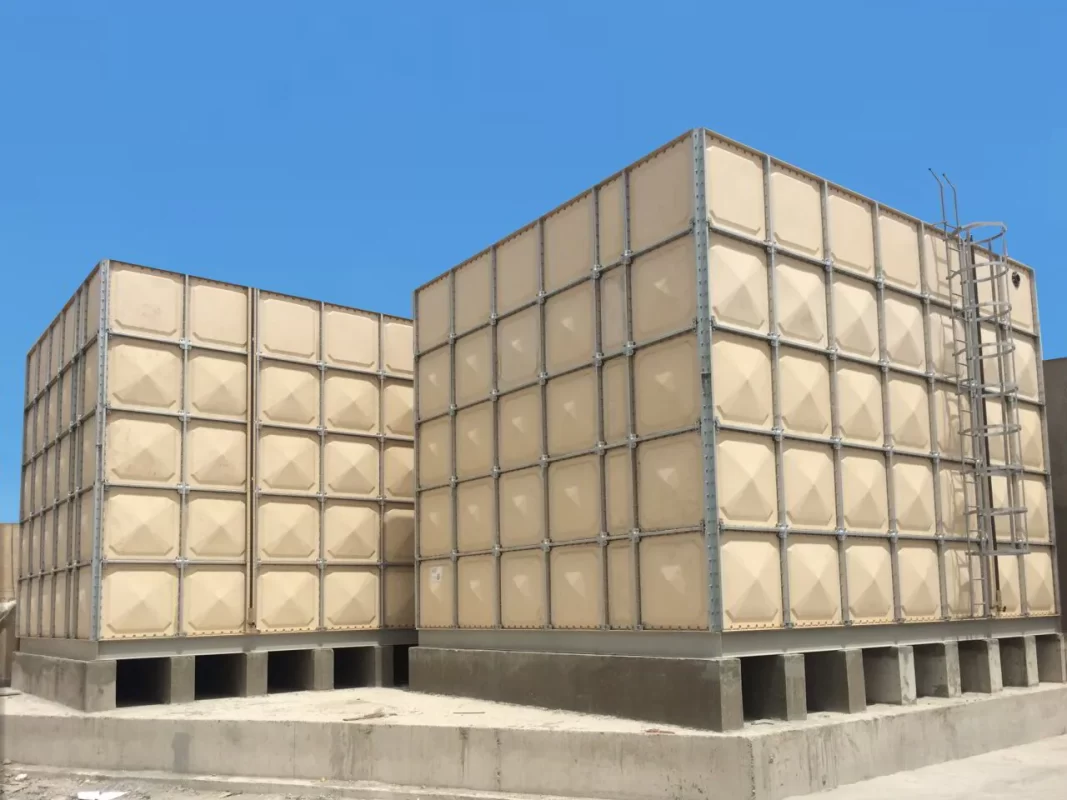
Sectional GRP water tanks are built from modular panels that can be easily assembled on-site. This makes them particularly suitable for large-scale water storage projects where transporting a single, large tank would be logistically challenging.
Advantages of sectional GRP tanks include:
-
Flexibility in size and capacity to match project requirements.
-
Easier maintenance and inspection access.
-
Reduced transportation and installation costs compared to monolithic steel or concrete tanks.
For engineering insights and assembly guidance, see https://aquosys.co.ke/grp-panels/.
Advantages of GRP Tanks vs. Steel and Concrete
When comparing GRP tanks to traditional water storage options, the benefits are clear:
| Feature | GRP Tanks | Steel Tanks | Concrete Tanks |
|---|---|---|---|
| Corrosion Resistance | Excellent | Poor (rusts over time) | Good, but prone to cracking |
| Hygiene | High (smooth, non-porous) | Moderate | Moderate to low |
| Installation | Quick & modular | Heavy & requires cranes | Heavy, time-consuming |
| Lifespan | 30+ years | 10–20 years | 20–25 years |
| Maintenance | Minimal | High | Moderate |
These benefits make GRP water tanks particularly suitable for industrial water storage in Kenya, municipal supply, and high-rise building projects.
Applications of GRP Tanks in East Africa
GRP tanks are versatile and widely used across various sectors:
-
Municipal Water Supply – Cities in Kenya and East Africa increasingly adopt GRP tanks to store potable water.
-
Industrial & Commercial Use – Factories, hotels, and shopping malls require large, hygienic tanks for daily operations.
-
Residential Projects – Apartments and gated communities benefit from modular tanks that scale with population demand.
-
Schools & Hospitals – Reliable water storage ensures uninterrupted services and sanitation.
-
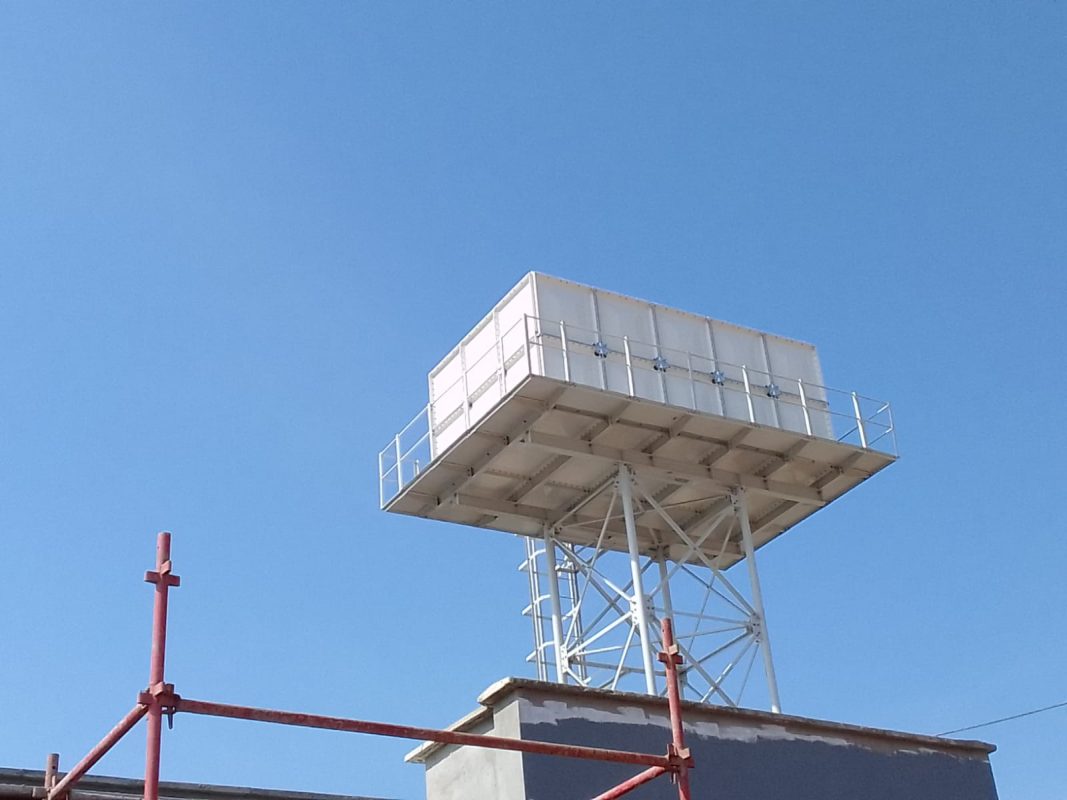
High-Rise Buildings – Sectional GRP tanks can be installed on rooftops without structural reinforcement challenges.
For real-world project examples, see our portfolio at https://aquosys.co.ke/portfolio/.
Cost of GRP Tanks in Kenya
The cost of GRP water tanks depends on several factors:
-
Tank capacity – Larger tanks naturally cost more.
-
Panel type – Premium GRP panels may increase longevity and corrosion resistance.
-
Installation complexity – Rooftop or remote locations require additional engineering support.
-
Customization – Insulation, reinforcement, and partitioning features can affect pricing.
Despite initial costs, GRP tanks are a long-term investment due to their durability, minimal maintenance, and long lifespan. For detailed pricing and quotations, get in touch at https://aquosys.co.ke/get-in-touch/#.
Installation and Maintenance of GRP Tanks
Proper installation is the foundation for achieving a 30-year lifespan. Follow these steps to ensure optimal performance:
1. Site Preparation
-
Ensure the base is level, stable, and free from sharp debris.
-
Reinforce foundations for large-capacity tanks.
-
Use anti-corrosion coatings if installing near chemical storage areas.
For installation guidance, visit https://aquosys.co.ke/installation/.
2. Assembly
-
Follow panel manufacturer instructions for torque settings on bolts.
-
Ensure gaskets are properly seated to prevent leaks.
-
Conduct pressure tests after assembly to detect weak joints.
3. Water Quality Checks
-
Regularly monitor for microbial contamination.
-
Install filtration systems where necessary to maintain hygiene.
4. Cleaning Schedule
-
Perform annual or biannual cleaning depending on water quality.
-
Use mild detergents and non-abrasive brushes to prevent surface damage.
-
Ensure complete drainage before cleaning.
5. Inspection & Repairs
-
Inspect joints, gaskets, and panels for wear or cracks.
-
Replace damaged panels immediately to prevent leaks.
-
Check support structures for any signs of stress.
For specialized maintenance guidance, see https://aquosys.co.ke/caution/.
How to Prevent Algae and Bacteria in Your Water Tank
Even with GRP’s hygienic design, stagnation or exposure to sunlight can encourage algae growth. Follow these tips:
-
Keep tanks covered to block sunlight.
-
Flush tanks regularly.
-
Maintain residual chlorine or other disinfectants if required.
-
Monitor temperature variations, as GRP maintains water temperature stability but cannot prevent contamination from poor handling.
Additional insulation solutions are available at https://aquosys.co.ke/insulation/.
Reinforcement and Longevity Tips
Reinforcement of larger tanks is essential to prevent bowing and structural stress:
-
Use appropriate metal reinforcements around large panels.
-
Consider partition-type panels to divide large volumes for safety.
-
Regularly check panel alignment and bolt tension.
Learn more about our reinforcement solutions at https://aquosys.co.ke/reinforcement/.
Common Mistakes to Avoid in GRP Tank Maintenance
-
Ignoring minor leaks or cracks.
-
Using abrasive cleaning tools that damage panel surfaces.
-
Skipping regular inspections and water quality checks.
-
Overloading tanks beyond recommended capacities.
-
Failing to secure tanks against wind or seismic activity.
Avoiding these mistakes ensures a consistent 30-year lifespan for your GRP water storage system.
Why Choose Aquosys Limited for Your GRP Water Tanks
Aquosys Limited is East Africa’s leading manufacturer and installer of GRP water tanks. Our expertise spans municipal, industrial, commercial, and residential projects across Kenya, Uganda, Tanzania, Rwanda, South Sudan, Ethiopia, and beyond.
-
Custom designs & large-scale projects
-
Expert installation & engineering support
-
Durable, hygienic, and corrosion-resistant solutions
Explore our gallery at https://aquosys.co.ke/gallery/ for completed installations.
Request a Quote for GRP Water Tanks in Kenya
Partner with Aquosys Limited to get high-quality GRP tanks in Kenya designed for a 30-year lifespan.
Email: sales@aquosys.co.ke
Phone: +254 754 750 750 | +254 729 749 749
Online: https://aquosys.co.ke/get-in-touch/#
COUNTRYWIDE PROJECT SUPPORT AVAILABLE
-
Expert installation & engineering support
-
Large-scale & custom designs available
-
Serving Kenya, Uganda, Tanzania, Rwanda, South Sudan, Ethiopia & beyond