What Are GRP Water Tanks? A Beginner’s Guide for Kenyan Homeowners


What Are GRP Water Tanks? A Beginner’s Guide for Kenyan Homeowners
Water availability in Kenya is becoming increasingly unpredictable, with many households experiencing frequent shortages. Homes in Nairobi, Mombasa, Kisumu, Nakuru and other regions now recognize the importance of reliable water storage. Traditional steel, plastic and concrete tanks have served their purpose, but the demand for a more durable, hygienic and long-lasting solution has led to wider adoption of GRP water tanks.
This guide explains what GRP water tanks are, how they work, and why they are one of the most reliable water storage solutions for homeowners in Kenya. It is written in a simple, beginner-friendly style while still offering technical insight for those planning residential or commercial installations.
GRP Water Tanks in Kenya: What They Are and How They Work
GRP stands for Glass Reinforced Plastic. It is a composite material made by reinforcing plastic with layers of fine glass fibers. This combination produces a product that is significantly stronger, more durable and more stable than ordinary plastic.
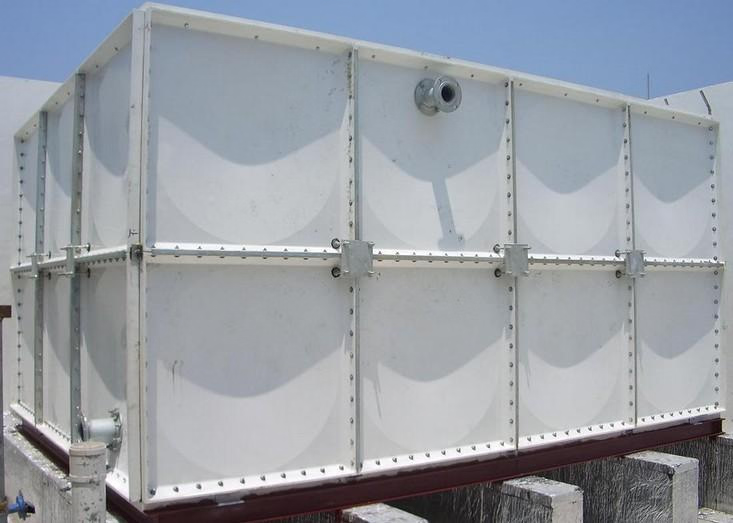
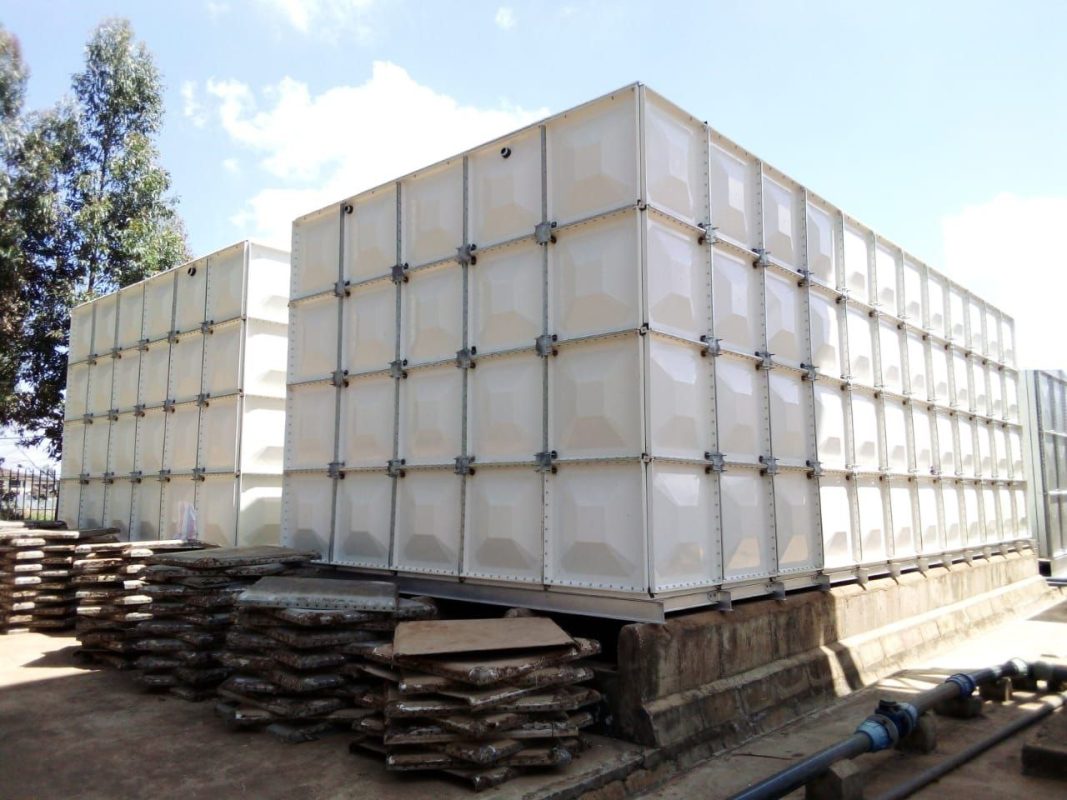
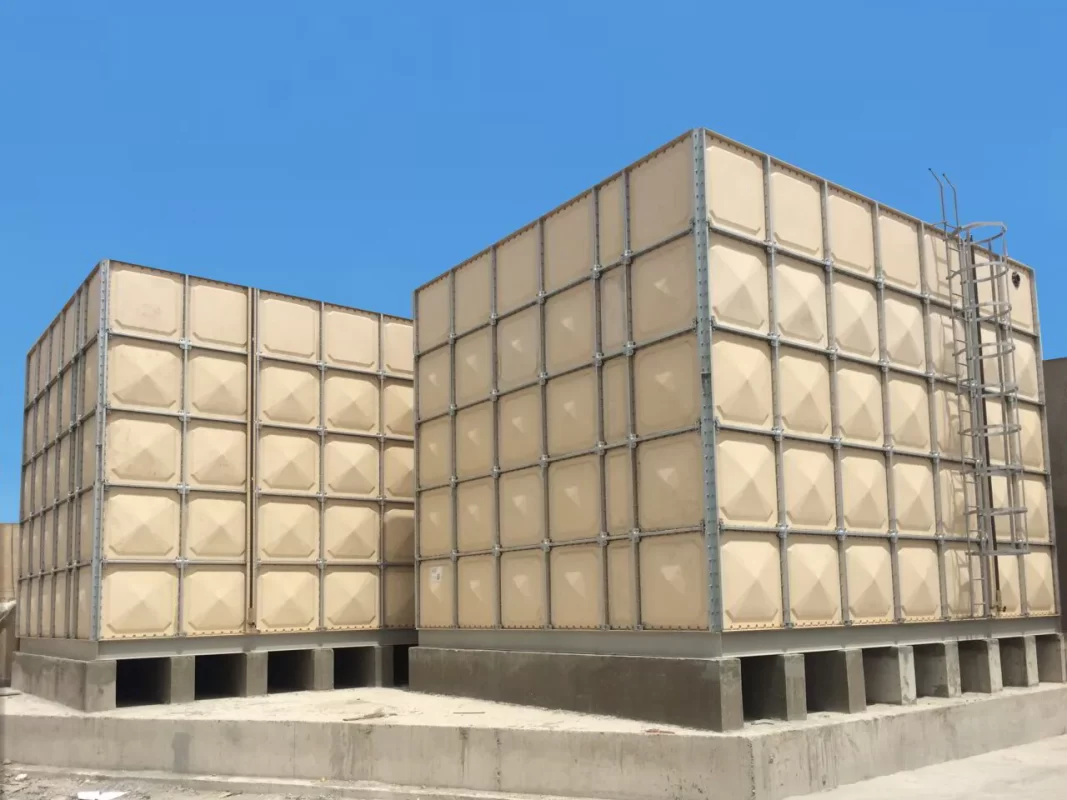
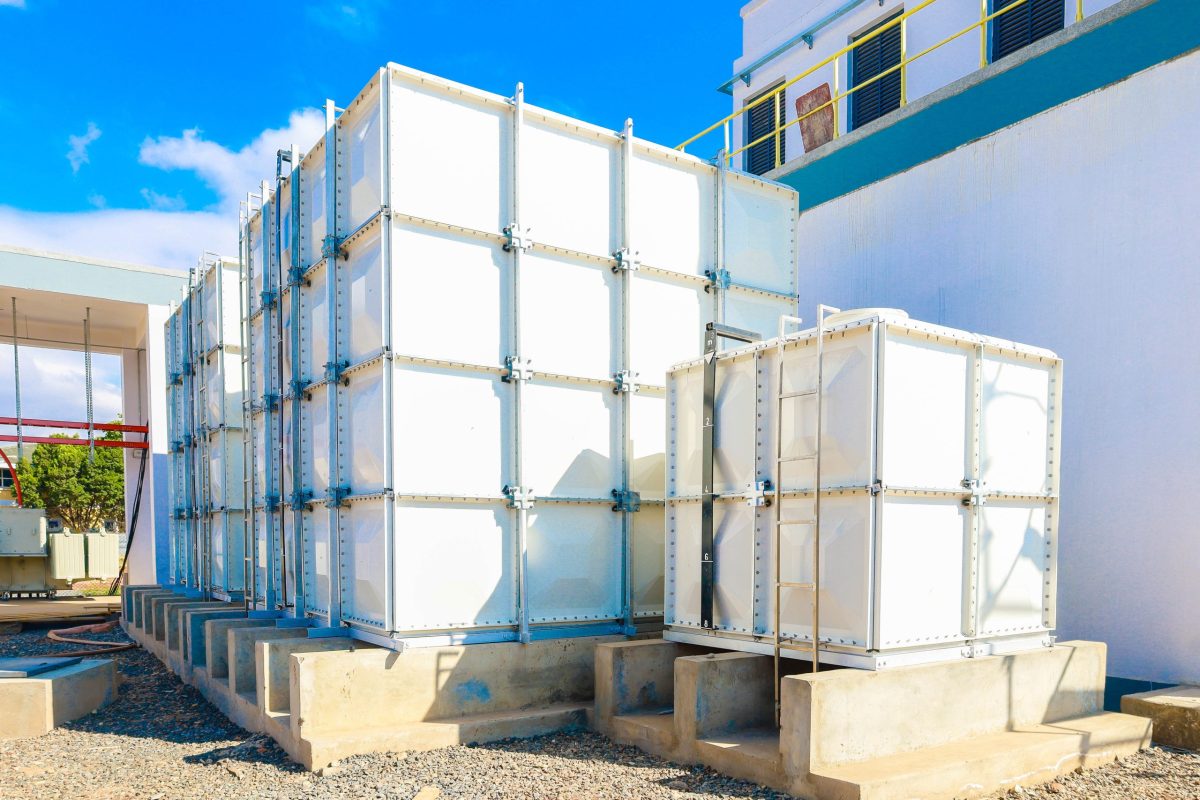
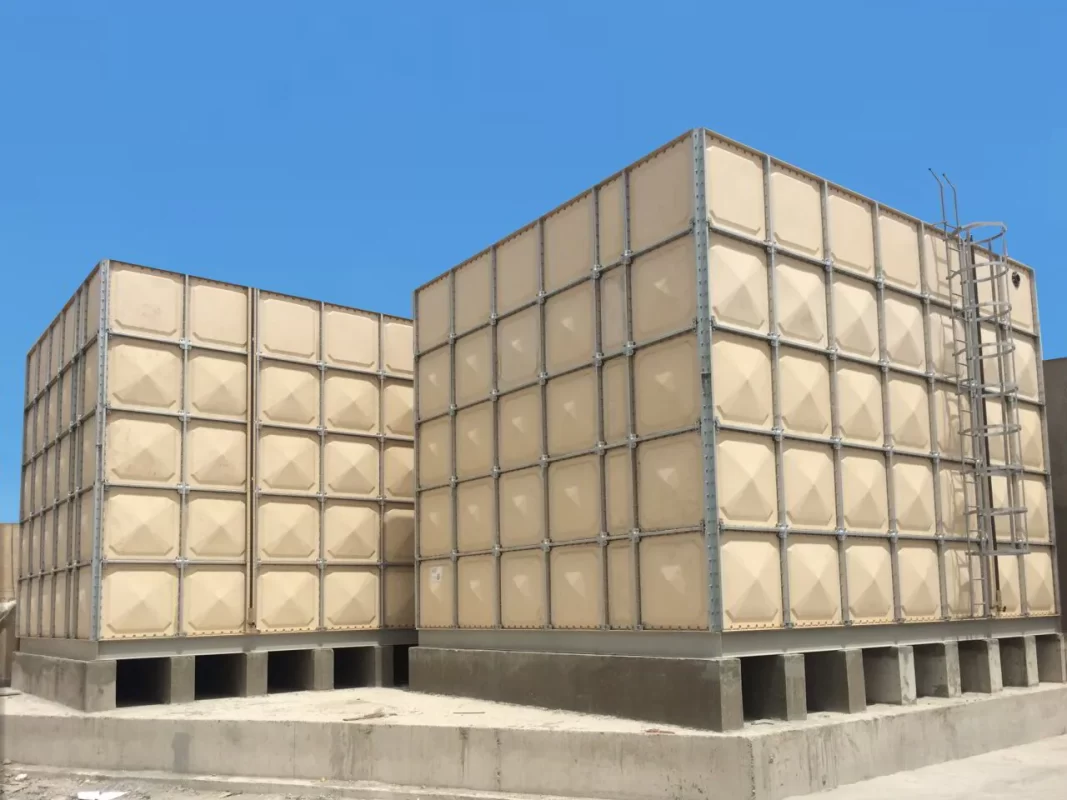
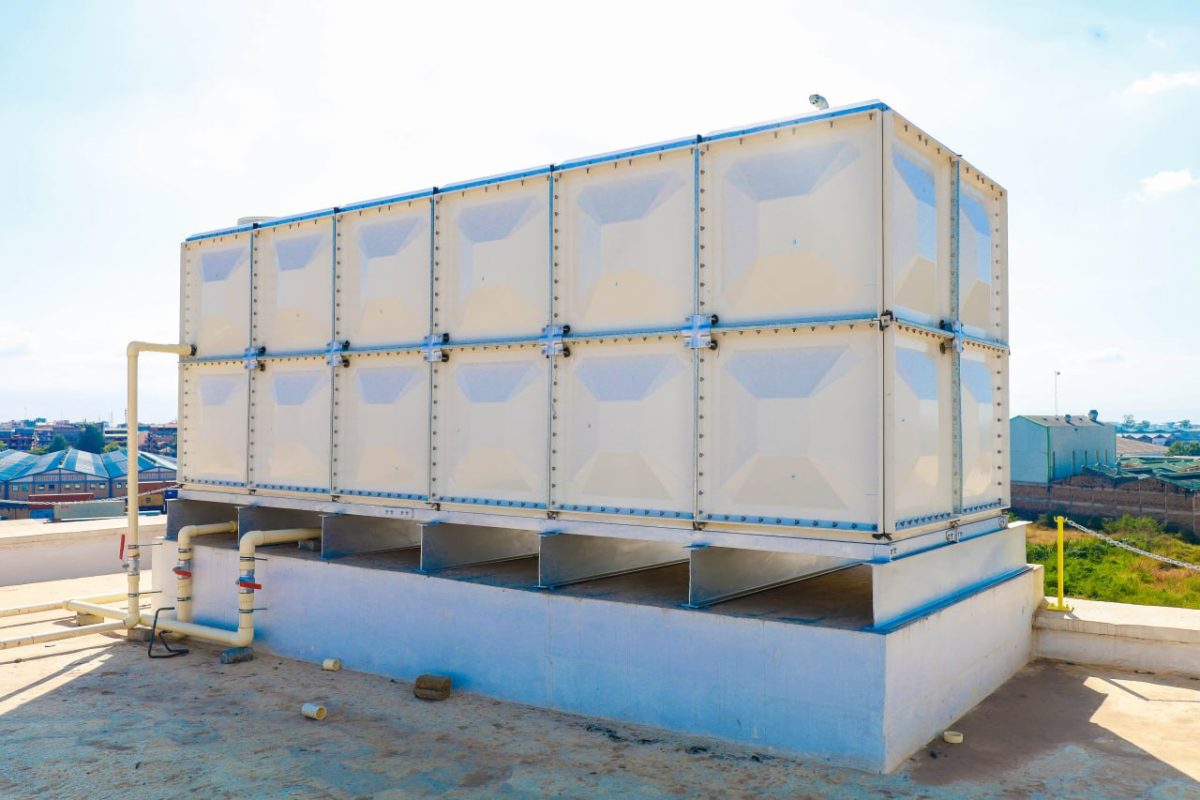
A GRP water tank is constructed using molded GRP panels that are bolted together to create a sectional water storage unit. These tanks are specifically engineered for water storage and are designed to resist environmental stress, corrosion, algae growth and structural damage.
To understand the materials used in these tanks, you can visit the Aquosys GRP panels page:
https://aquosys.co.ke/grp-panels/
GRP tanks differ from plastic rotational-moulded tanks because GRP is engineered for long-term performance. It is resistant to high temperatures, heavy loads, and structural movement, making it suitable for both domestic and commercial uses.
Why GRP Water Tanks Are Becoming Popular in Kenya
Kenya’s climate is characterized by extended dry seasons and sudden heavy rainfall. This makes reliable water storage essential for homes, farms, businesses and institutions. GRP tanks offer several advantages that make them extremely suitable for Kenyan conditions.
These advantages include resistance to corrosion, suitability for both ground and rooftop installation, ability to handle temperature fluctuations and long service life. They are also modular, allowing installation even in areas where large plastic tanks cannot be placed due to access limitations.
To learn about the specific engineering characteristics of these tanks, visit:
https://aquosys.co.ke/characteristics/
How GRP Water Tanks Are Manufactured
The manufacturing process of GRP water tanks involves advanced composite engineering. Although the technology is complex, the process can be explained in simple steps.
Step 1: Creation of GRP Panels
Glass fibers are mixed with a polymer resin to produce durable GRP sheets. These sheets are molded into standardized tank panels.
Step 2: Transportation of Panels
Because GRP tanks are sectional, the panels are transported flat. This makes delivery efficient and accessible even in remote or congested locations.
Step 3: Assembly of the Tank
Installation teams assemble the panels using bolts and sealing materials. The sectional design allows flexibility in size and configuration.
Step 4: Installation of Internal Reinforcement
Internal bracing is installed to withstand water pressure. Aquosys uses certified reinforcement systems to ensure structural integrity. For details, visit:
https://aquosys.co.ke/reinforcement/
Step 5: Installation of Fittings
Inlets, outlets, manholes and ladders are fitted. A final inspection ensures the tank is watertight and ready for service.
Advantages of GRP Water Tanks Compared to Steel, Concrete and Plastic Tanks
This section compares GRP tanks with common water tank alternatives used in Kenya.
GRP vs Steel Tanks
Steel tanks rust over time, especially in coastal areas such as Mombasa and Malindi. GRP tanks do not rust or corrode. Steel tanks require repainting and lining; GRP tanks do not. Steel tanks may contaminate water with rust particles. GRP tanks maintain water purity. Steel tanks are heavy and harder to install, while GRP tanks are lighter and easier to handle.
GRP vs Concrete Tanks
Concrete tanks often crack due to ground movement or age. GRP tanks are flexible and do not crack under normal conditions. Concrete tanks leach minerals into water, which can affect taste. GRP tanks have a smooth, hygienic surface. Concrete tanks require skilled labour and long curing periods. GRP tanks are installed quickly and efficiently. Concrete tanks often become costly due to maintenance. GRP tanks have very low cost of ownership over time.
GRP vs Plastic Tanks
Plastic tanks soften or deform in very high temperatures. GRP tanks stay stable regardless of heat. Plastic tanks can develop algae when exposed to sunlight. GRP tanks provide better UV protection. Plastic tanks offer limited capacity and shape options. GRP tanks are fully customizable for various volumes. Plastic tanks are more prone to impact damage. GRP tanks provide higher structural strength.
Sectional GRP Tanks for Homes and Residential Estates
GRP tanks are sectional, meaning they are built on-site using modular panels. This offers flexibility in installation, especially in residential environments.
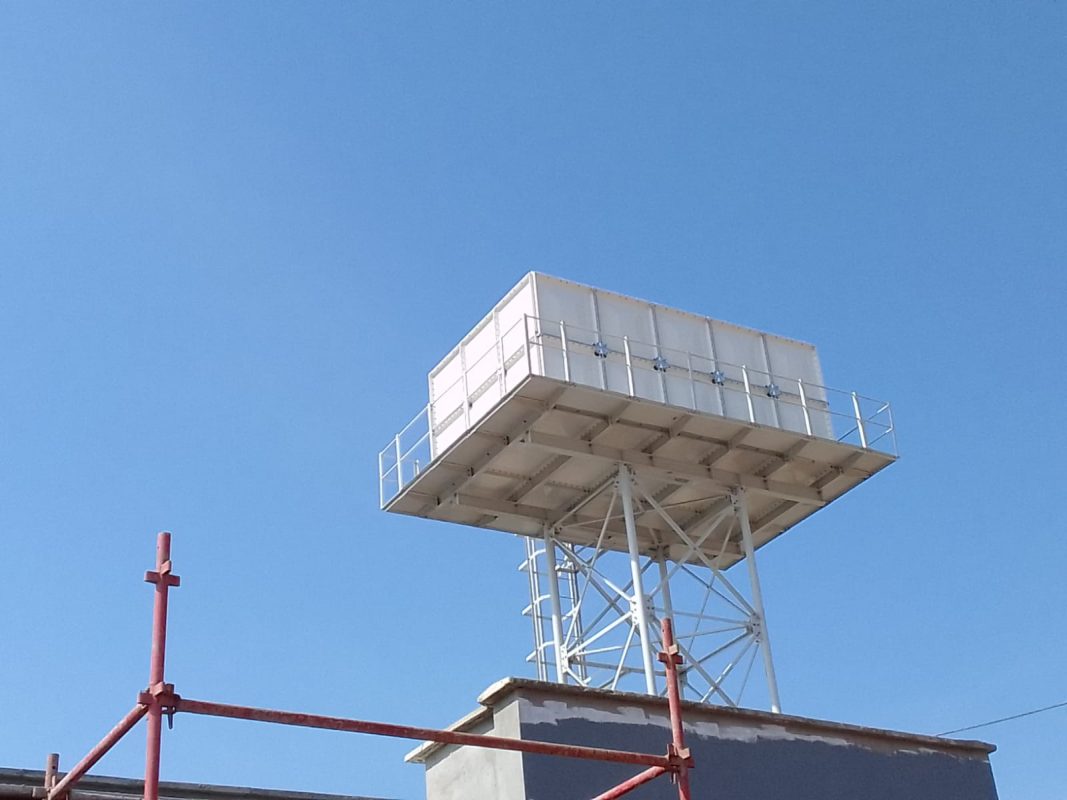
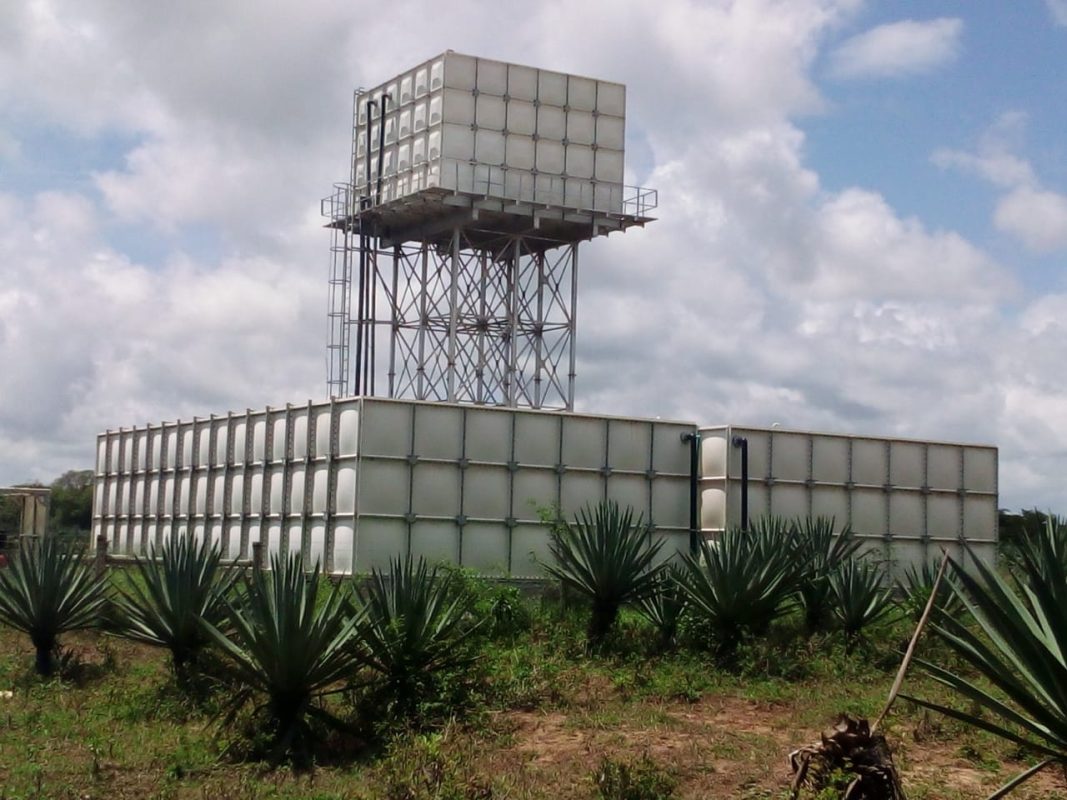
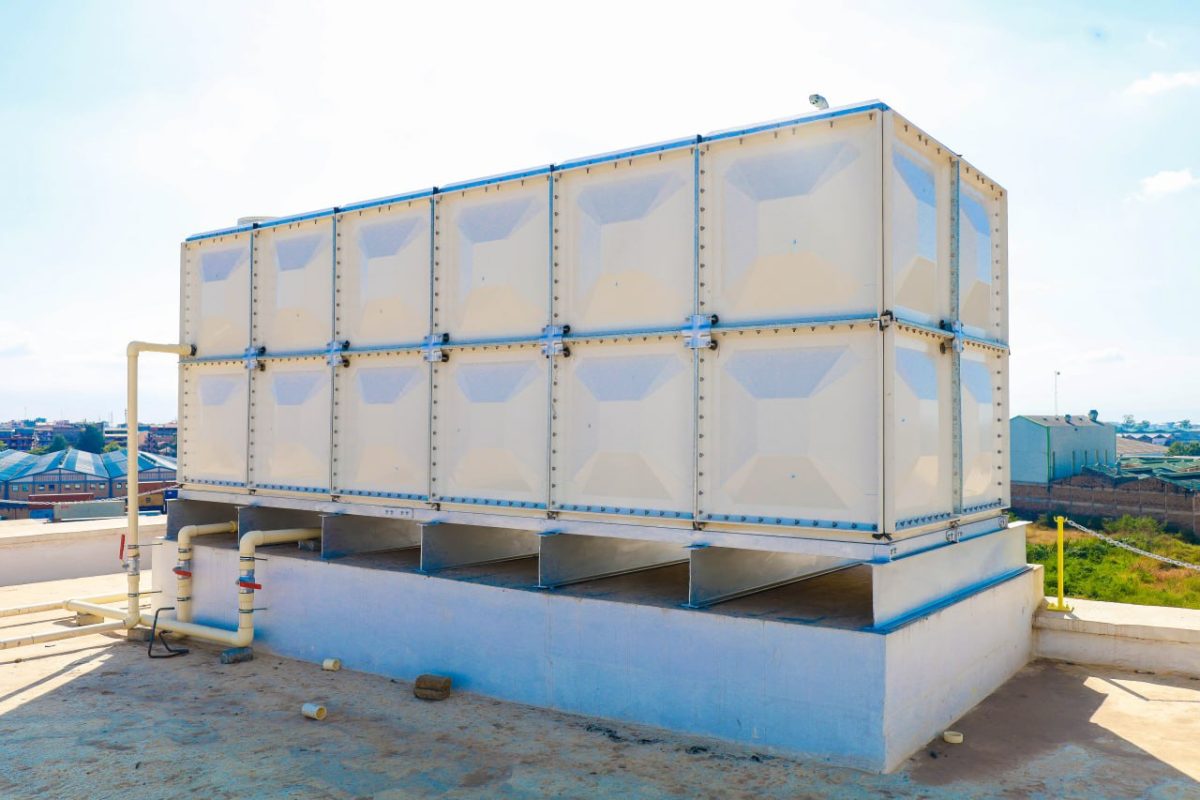
These tanks are suitable for rooftops of apartment buildings, basement installations in commercial buildings, domestic water storage for standalone homes and underground reservoirs for estates. Their modular design allows them to be built in spaces where a one-piece plastic tank cannot fit.
You can view examples of completed installations on the Aquosys portfolio page:
https://aquosys.co.ke/portfolio/
Applications of GRP Water Tanks in East Africa
GRP water tanks are versatile and can be used across multiple sectors.
Residential Use
Homes use GRP tanks for general domestic supply, borehole storage and rainwater harvesting.
Apartments and High-Rise Buildings
Rooftop tanks for gravity-fed water systems benefit from the lightweight nature of GRP.
Schools and Hospitals
These institutions require hygienic and reliable water supplies. GRP offers safe, clean storage.
Industrial Facilities
Factories use GRP tanks for process water, fire storage, chemical storage and more.
Hotels and Commercial Properties
GRP tanks support water needs in hospitality and commercial developments.
Agriculture
Farmers use GRP tanks for irrigation water and livestock water storage.
Municipal Water Systems
Large GRP tanks are used for community water supply storage.
Cost of GRP Water Tanks in Kenya
The cost of a GRP tank depends on several factors. Pricing is influenced by tank capacity, installation location, reinforcement type, optional insulation, transportation requirements and site conditions.
Small domestic tanks of between 1,000 and 10,000 liters have higher initial costs than plastic tanks but last significantly longer. Larger tanks ranging from 20,000 liters to millions of liters provide excellent long-term value for institutions and commercial facilities.
To learn about insulation options, visit:
https://aquosys.co.ke/insulation/
The most accurate way to know the price for your home or project is to request a detailed quotation from Aquosys Limited.
Installation and Maintenance of GRP Tanks in Kenya
GRP tanks are simpler to install than concrete or steel tanks due to their sectional design.
Installation Process
The ground is prepared and leveled. Panels are assembled systematically. Reinforcement is installed. Inlet and outlet fittings are connected. A final inspection and water tightness test is conducted.
Aquosys provides professional installation across Kenya and the larger East African region. Installation guidelines can be found here:
https://aquosys.co.ke/installation/
Maintenance Requirements
GRP tanks require minimal maintenance. They should be cleaned periodically. Connections should be checked occasionally. Heavy loads should not be applied externally. Because they do not rust, fade or crack easily, upkeep costs remain low.
Why Kenyan Homeowners Choose GRP Tanks from Aquosys Limited
Aquosys Limited is a leading supplier and installer of GRP water tanks in East Africa. The company uses certified materials, advanced installation methods and highly trained technicians. Their experience in residential, commercial and industrial projects has made Aquosys a trusted name in water storage solutions.
Aquosys tanks are durable, hygienic, reliable and customizable. Homeowners appreciate the long lifespan, the ability to install the tank anywhere and the improved water cleanliness.
To learn more about the company, visit:
https://aquosys.co.ke/about-us/
Safety Guidelines for GRP Tank Use
Homeowners should follow basic safety guidelines to ensure long-term performance. The base must be properly prepared. Only trained installers should assemble the tank. Tanks should be cleaned at recommended intervals. External loads should not be applied to the tank walls. Safety information is available at:
https://aquosys.co.ke/caution/
Summary: Should You Choose a GRP Water Tank for Your Home?
GRP water tanks provide significant advantages for Kenyan homeowners. They are durable, corrosion-resistant and suitable for both hot and coastal environments. They maintain water hygiene and can be customized to any size or shape. Their long lifespan and low maintenance requirements make them an excellent investment.
For anyone building a home, upgrading an old tank, constructing an apartment block or developing a residential estate, GRP tanks offer a reliable and modern storage solution.
Contact Aquosys Limited for GRP Water Tank Installation in Kenya
Countrywide project support is available.
Professional installation and engineering support is provided.
Custom designs for homes and large developments are available.
Service coverage extends to Kenya, Uganda, Tanzania, Rwanda, South Sudan and Ethiopia.
Contact Aquosys Limited
Email: sales@aquosys.co.ke
Phone: +254 754 750 750
Phone: +254 729 749 749
Get in Touch: https://aquosys.co.ke/get-in-touch/
View Gallery: https://aquosys.co.ke/gallery/