
Environmental Benefits of GRP Water Tanks – Sustainable Storage Solutions

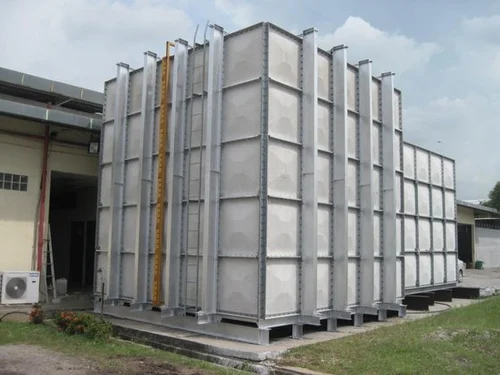
Environmental Benefits of GRP Water Tanks – Sustainable Storage Solutions
The Environmental Benefits of Choosing GRP Over Concrete Tanks
Introduction
As the demand for sustainable water storage solutions grows across Kenya and East Africa, developers, municipalities, and industries are increasingly seeking eco-friendly alternatives to traditional materials like concrete. While concrete tanks have long been used for large-scale water storage, they come with significant environmental drawbacks — from high carbon emissions to material waste and difficult recyclability.
In contrast, GRP (Glass Reinforced Plastic) water tanks offer a sustainable, lightweight, and long-lasting solution that aligns with modern green building standards and environmental conservation goals.
In this blog, we’ll explore the environmental advantages of GRP tanks, compare them with concrete tanks, and highlight why Aquosys Limited is leading the shift towards sustainable water infrastructure in East Africa.
♻️ Why Environmental Sustainability Matters in Water Storage
Sustainable water storage systems are no longer optional — they are essential. With rising urbanization, climate challenges, and resource constraints, governments and industries must adopt low-impact technologies that:
-
Reduce carbon footprint
-
Promote water hygiene
-
Enable efficient installation and maintenance
-
Support recyclability and long-term resource conservation
GRP tanks align with these goals, offering a greener choice for both public and private sector projects.
🔗 Learn more about Aquosys’ sustainable GRP technology
🧱 GRP vs. Concrete: Environmental Comparison
| Feature | GRP Tanks | Concrete Tanks |
|---|---|---|
| Manufacturing Impact | Low energy, minimal CO₂ emissions | High cement production emissions |
| Weight & Transport | Lightweight (reduces fuel use) | Heavy, requires large trucks & cranes |
| Installation | Prefabricated panels = minimal site disruption | Involves excavation, formwork, and curing |
| Water Hygiene | Non-porous, prevents algae/bacteria | Porous surface harbors bacteria |
| Lifespan & Maintenance | Long-lasting with minimal upkeep | Prone to cracking, costly repairs |
| End-of-Life Disposal | Reusable panels, recyclable materials | Difficult to demolish and recycle |
🌍 1. Reduced Carbon Footprint
Concrete production is one of the world’s largest CO₂ emitters, responsible for nearly 8% of global emissions.
GRP tanks, on the other hand:
-
Use less energy in manufacturing
-
Require no heavy machinery for installation
-
Offer longer service life, reducing the need for replacement
By choosing GRP, you help cut down lifecycle emissions and support low-carbon development initiatives.
🔗 Explore Aquosys’ GRP tank materials
🚛 2. Lower Transportation Impact
Because GRP panels are lightweight and modular, they require:
-
Fewer trips for delivery
-
Smaller vehicles, reducing fuel consumption
-
Easier handling without cranes or heavy lifts
Concrete tanks demand bulky transport and on-site casting, increasing both emissions and logistical costs.
🏗 3. Minimal Site Disturbance
GRP tanks are assembled using sectional panels, causing little disruption to the environment.
-
No excavation required (for above-ground installations)
-
No curing or chemical waste
-
Short installation time minimizes dust, noise, and pollution
Concrete tanks often require digging, mixing, and curing, leading to soil disruption and wastewater generation.
🔗 Read more about GRP tank installation
🧴 4. Improved Water Hygiene = Reduced Chemical Use
The non-porous interior of GRP tanks prevents:
-
Bacterial buildup
-
Algae growth
-
Contamination
This reduces the need for frequent chemical cleaning, which helps minimize chemical discharge into the environment.
🔗 See how hygienic GRP panels improve water safety
🔄 5. Longevity and Recyclability
GRP tanks have a service life of 25–40 years, significantly longer than concrete tanks which often crack or degrade within 10–15 years due to:
-
Weather exposure
-
Structural stress
-
Chemical erosion
At the end of their lifespan, GRP panels can be reused or recycled, unlike concrete which becomes construction waste.
🔗 Explore Aquosys’ reinforcement technologies
💧 6. Supports Sustainable Development Goals (SDGs)
By adopting GRP technology, developers contribute to key UN Sustainable Development Goals:
-
SDG 6: Clean Water and Sanitation
-
SDG 9: Industry, Innovation, and Infrastructure
-
SDG 11: Sustainable Cities and Communities
-
SDG 13: Climate Action
🏢 7. Ideal for Green Building Certifications
For organizations pursuing LEED or EDGE green building certifications, GRP tanks offer:
-
Low embodied carbon
-
Durable design for long service
-
Reduced environmental impact through modular reuse
This makes them a preferred choice for eco-conscious developers and institutional projects like hospitals, schools, and municipal water plants.
🔗 View our portfolio of sustainable installations
⚖️ Summary: GRP Is the Greener Choice
| Aspect | GRP Tanks | Concrete Tanks |
|---|---|---|
| Carbon Emissions | Low | High |
| Waste Generation | Minimal | Substantial |
| Water Hygiene | Excellent | Poor |
| Recyclability | High | Low |
| Installation Impact | Low | High |
| Maintenance Needs | Low | High |
When you choose GRP, you’re not just selecting a reliable water tank — you’re investing in a sustainable future.
🌍 Choose Aquosys Limited for Eco-Friendly Water Storage
At Aquosys Limited, we specialize in eco-conscious GRP water tanks designed to deliver performance, hygiene, and sustainability across Kenya and East Africa.
Whether for municipal supply, industrial facilities, or green buildings, our solutions help reduce environmental impact while ensuring safe water storage.
📞 Call to Action
COUNTRYWIDE PROJECT SUPPORT AVAILABLE
✔ Expert installation & engineering support
✔ Large-scale & sustainable designs available
✔ Serving Kenya, Uganda, Tanzania, Rwanda, South Sudan, Ethiopia & beyond
📞 Contact Us
Aquosys Limited
📧 sales@aquosys.co.ke
📞 +254 754 750 750 | +254 729 749 749
🔗 Get in Touch

