How Much Does a 100,000 Litre GRP Tank Cost? (And Is It Worth It?)

How Much Does a 100,000 Litre GRP Tank Cost? (And Is It Worth It?)
When it comes to bulk water storage, few solutions match the durability, hygiene, and efficiency of GRP (Glass Reinforced Plastic) tanks. Across Kenya and East Africa, demand for these tanks has surged as developers, municipalities, industries, and large institutions seek reliable and long-lasting storage options. Among the most popular capacities is the 100,000-litre GRP tank—large enough for commercial and industrial use, yet modular enough for installation in both urban and rural environments. But how much does a 100,000-litre GRP tank really cost, and is it worth the investment compared to alternatives like steel, plastic, or concrete tanks?
This guide explores everything you need to know—from pricing and design considerations to installation, maintenance, and long-term performance—so you can make an informed decision about choosing GRP water tanks in Kenya and the broader East African region.
Understanding GRP Water Tanks in Kenya
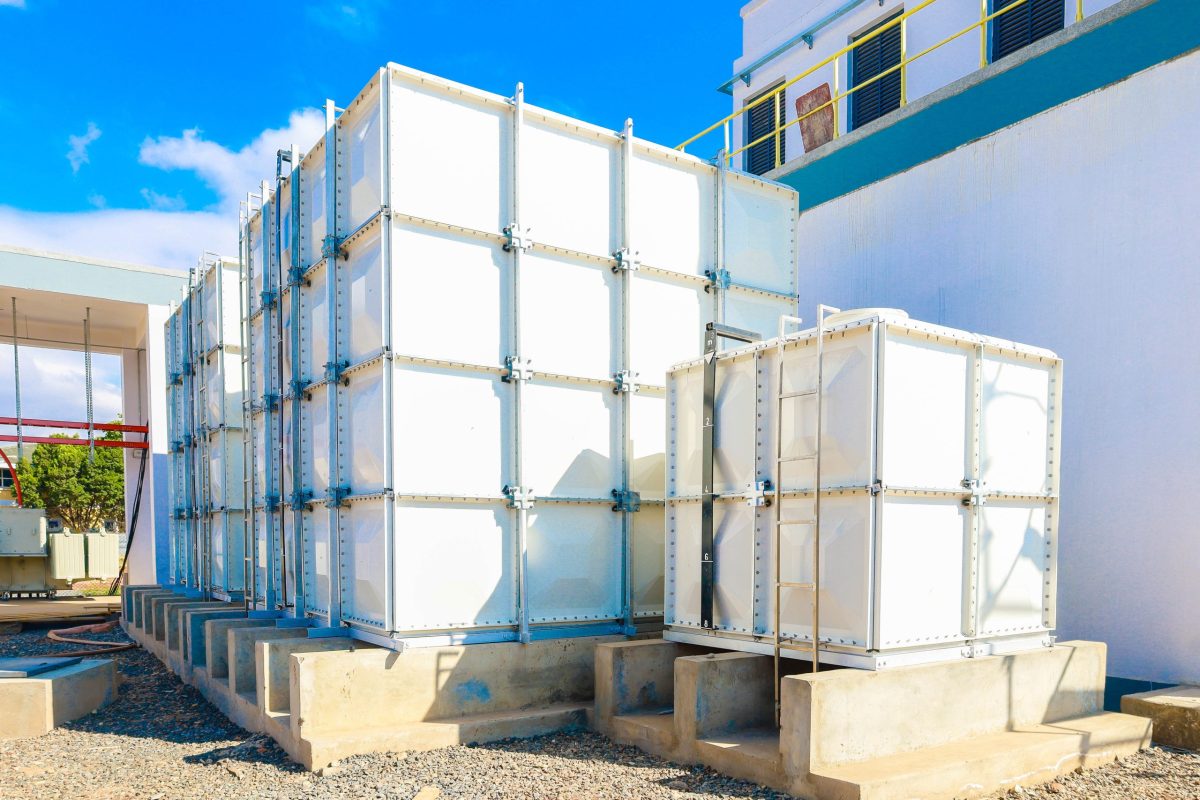
GRP water tanks, short for Glass Reinforced Plastic water tanks, are composite structures made from layers of high-strength fiberglass and polyester resin. The material combination produces a lightweight yet incredibly durable tank that resists corrosion, algae growth, and chemical degradation.
In Kenya, the growing shift toward GRP water storage solutions stems from the need for hygienic, low-maintenance tanks suitable for diverse climates—from the humid coastal regions to the arid northern counties. Aquosys Limited has pioneered this shift by manufacturing sectional GRP water storage tanks that can be custom-built to various capacities, including the 100,000-litre design.
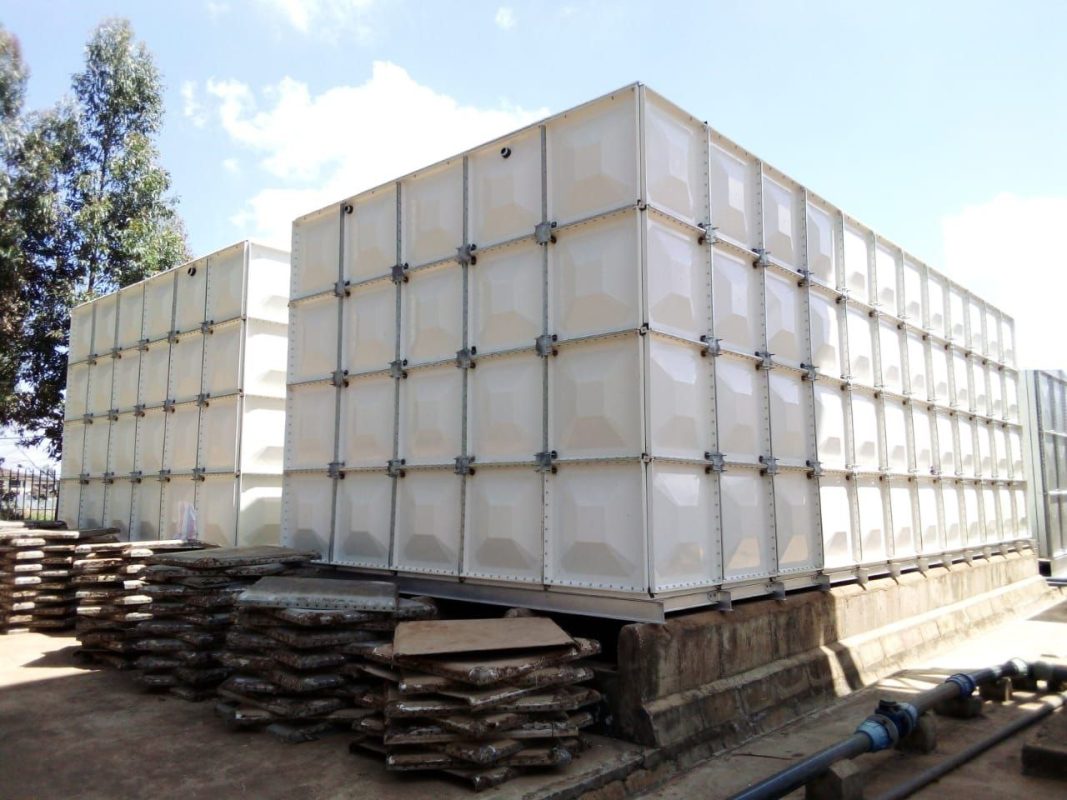
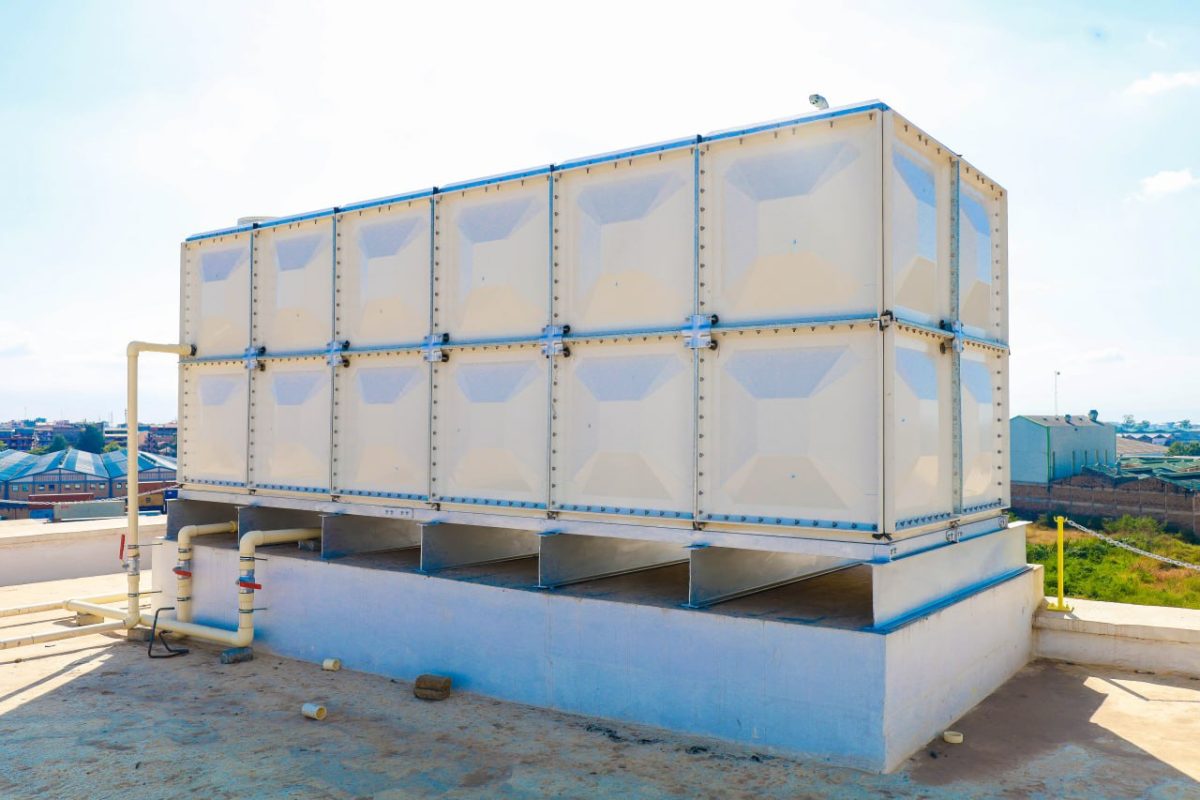
Unlike steel or concrete tanks, GRP tanks are modular and prefabricated. Panels are transported flat to the site and assembled in situ, making them ideal for locations with limited access or rooftop installations in high-rise projects.
Learn more about tank material quality and composition through GRP Panels (https://aquosys.co.ke/grp-panels/) and Reinforcement (https://aquosys.co.ke/reinforcement/) information provided by Aquosys Limited.
The Cost of GRP Tanks in Kenya
The price of a 100,000-litre GRP water tank in Kenya depends on several variables, including panel thickness, design pressure, site accessibility, and installation requirements. However, as a general estimate, a 100,000-litre sectional GRP tank typically costs between KSh 950,000 and KSh 1,600,000 (approximately USD 7,000–11,000).
This cost covers the supply of the GRP panels, reinforcement structures, bolts, sealants, and installation labour. Optional features like internal partitioning, insulation, or elevated support frames may increase the total investment.
When compared to steel tanks or concrete reservoirs, GRP may seem more expensive at first glance. However, the lower long-term maintenance costs, extended service life, and superior hygiene standards make GRP tanks the most cost-effective choice over a 20–30-year period.
For details on how GRP panels are engineered for strength and performance, visit Characteristics (https://aquosys.co.ke/characteristics/).
Advantages of GRP Tanks vs. Steel and Concrete
Corrosion Resistance
Steel tanks are prone to rust, especially in humid or coastal regions. Concrete tanks, on the other hand, may suffer from cracking and chemical leaching. GRP tanks are entirely corrosion-proof, maintaining their structural and hygienic integrity even under extreme environmental conditions.
Lightweight and Easy to Install
Because GRP panels are lightweight, transporting and assembling them is faster and easier. The installation process requires no welding or heavy equipment, reducing on-site disruptions and project timelines. Aquosys provides complete Installation (https://aquosys.co.ke/installation/) support across Kenya and East Africa.
Hygienic Water Storage
GRP tanks are non-toxic, non-corrosive, and resistant to algae growth. Their smooth inner surfaces ensure water remains clean and safe for human consumption—an essential requirement for schools, hospitals, and residential complexes.
Longevity and Durability
Properly installed GRP tanks can last over 30 years with minimal maintenance. Unlike concrete tanks that may require periodic waterproofing, GRP tanks retain their impermeability and structure throughout their lifespan.
Customization and Modular Design
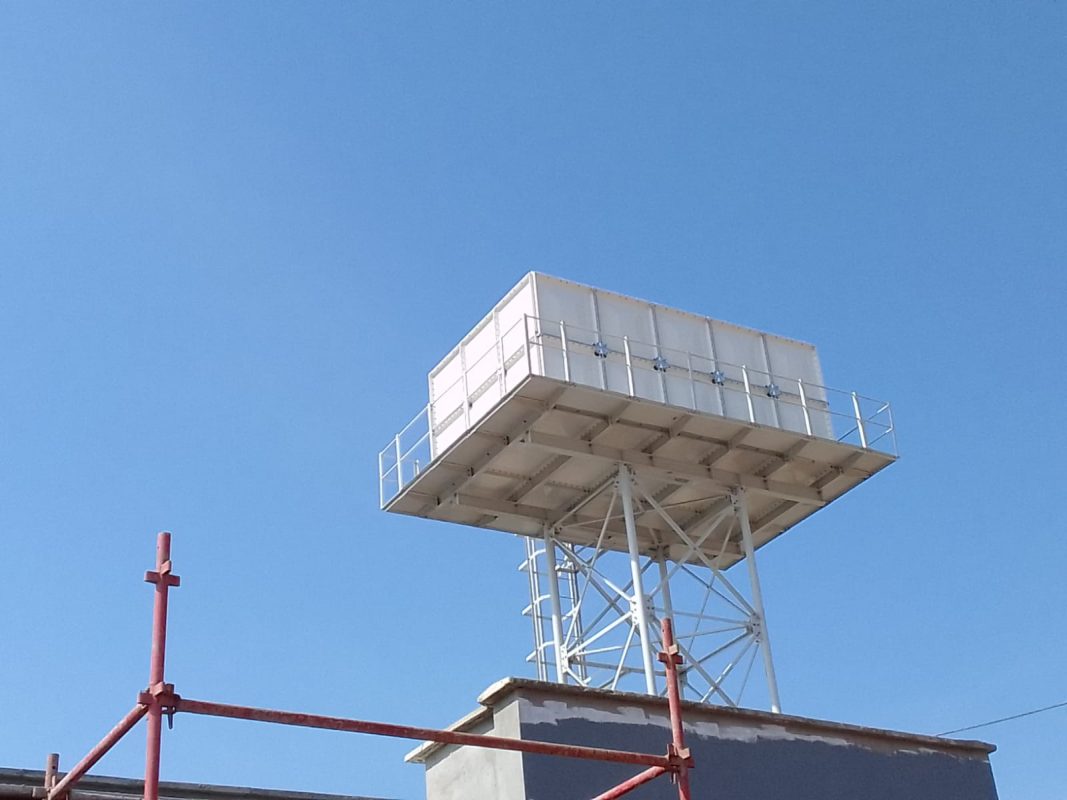
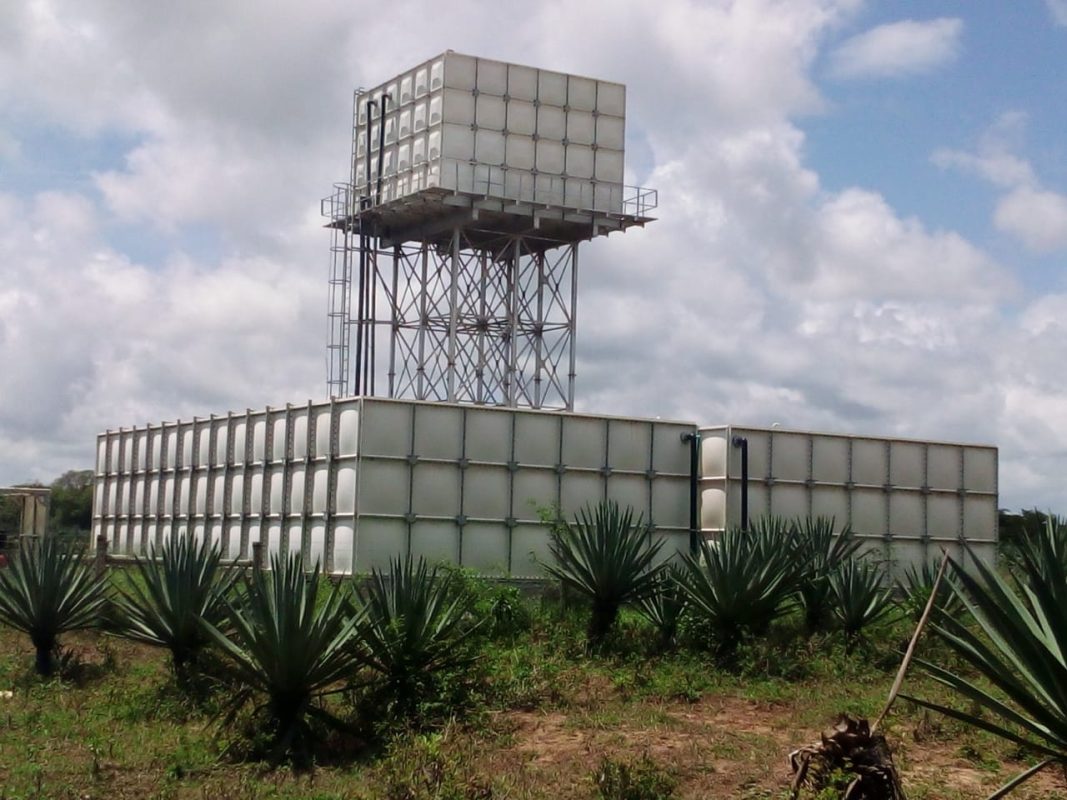
GRP panels can be fabricated in different thicknesses and sizes to meet various project requirements. Whether you need a tank buried underground or mounted on a steel tower, GRP modularity offers unmatched flexibility.
Applications of GRP Tanks in East Africa
The versatility of GRP tanks makes them suitable for nearly every water storage need. Across East Africa, they are widely used in municipal water supply projects for bulk storage and distribution systems, industrial facilities for cooling, process, and firefighting water, commercial buildings, schools, hospitals, and residential developments, especially high-rise apartments requiring rooftop tanks. They are also ideal for agricultural irrigation and livestock water storage in arid regions.
Aquosys Limited has executed several of these projects across Kenya, Uganda, Tanzania, Rwanda, and South Sudan. Visit the Portfolio (https://aquosys.co.ke/portfolio/) or Gallery (https://aquosys.co.ke/gallery/) to explore past installations and designs.
Sectional GRP Water Storage Tanks: Design and Construction
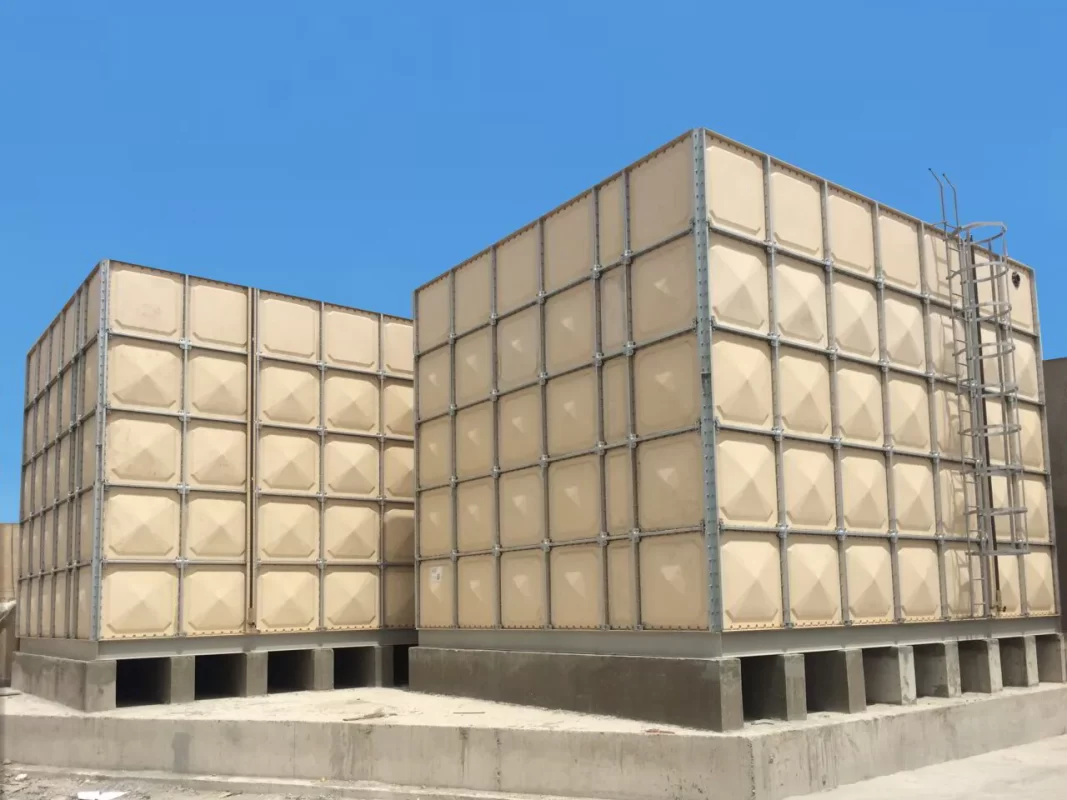
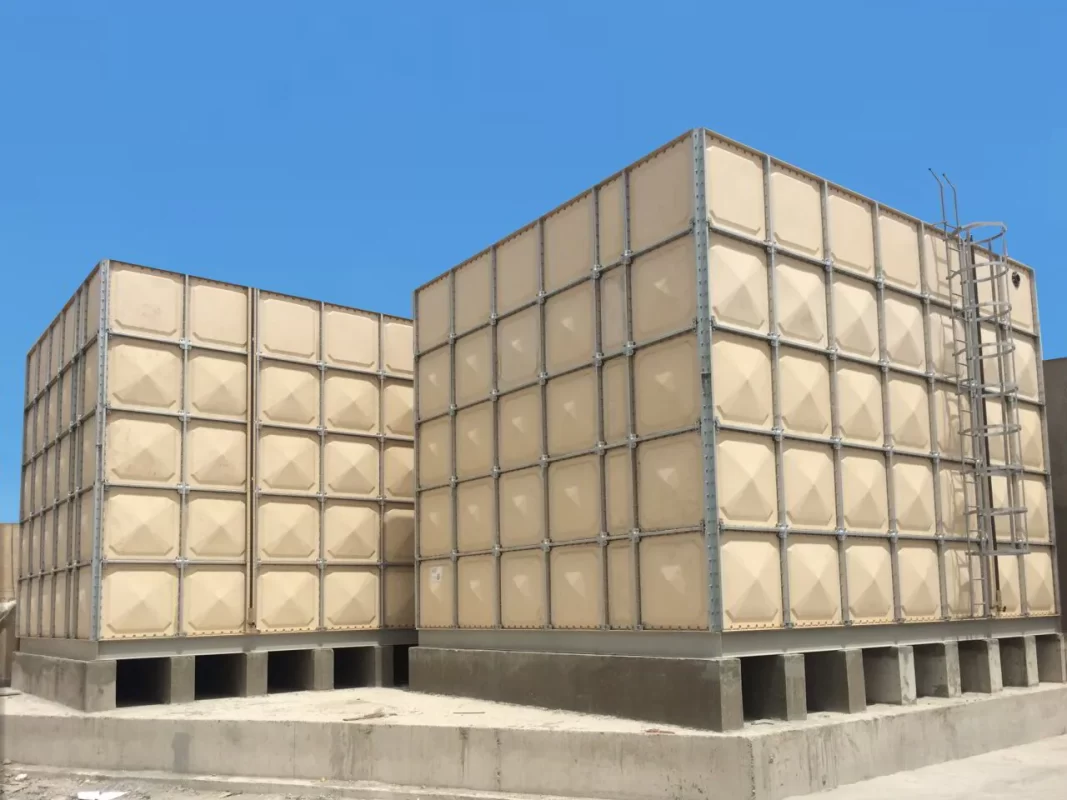
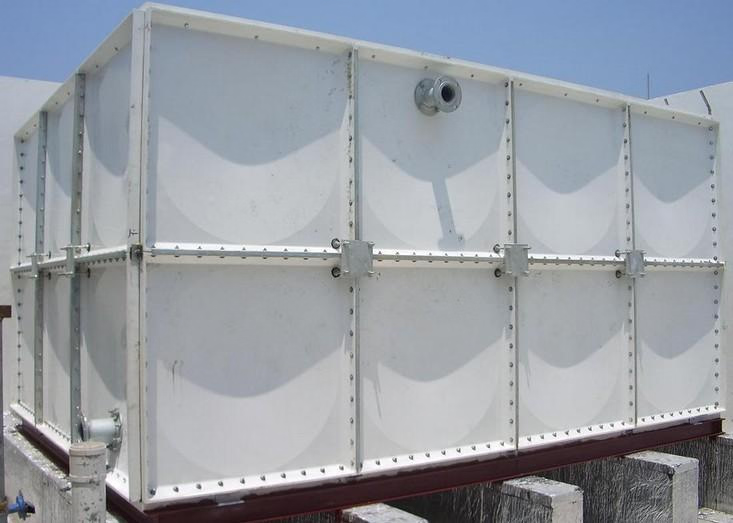
The 100,000-litre GRP tank design typically consists of modular panels bolted together to form the base, sides, and top. Internal reinforcement ensures the tank can withstand hydrostatic pressure. Each panel is molded under controlled factory conditions to achieve uniform quality.
Aquosys sectional GRP tanks come in a wide range of depths and dimensions, allowing clients to choose configurations based on available space. Additional options include internal partition type tanks dividing the tank into separate chambers for maintenance or dual water sources (https://aquosys.co.ke/partition-type/), insulated tanks designed for temperature-sensitive applications (https://aquosys.co.ke/insulation/), and reinforced tanks for higher load-bearing applications.
Every tank undergoes a final inspection for leaks, alignment, and finish quality before handover, ensuring compliance with international standards and local project specifications.
Installation and Maintenance of GRP Tanks
A key advantage of GRP tanks lies in their ease of installation and long-term maintenance efficiency. Installation is typically handled by trained technicians who assemble the modular panels on-site using bolts and sealants. No welding, curing, or heavy lifting equipment is required.
Steps in Installation
Site preparation: The foundation must be level and compacted to provide a stable base.
Panel assembly: Side and base panels are connected using stainless steel bolts and neoprene gaskets.
Sealing and testing: The tank is filled partially to check for leaks and seal integrity.
Final reinforcement: External braces and tie-rods are installed as per design requirements.
Aquosys offers full installation and engineering support for all clients, ensuring that the tank meets design specifications and safety standards. Regular maintenance involves visual inspections of the joints and periodic cleaning of the tank interior. Unlike metal tanks, GRP units do not require anti-corrosion coatings or repainting.
For installation guidelines and professional support, explore Installation (https://aquosys.co.ke/installation/) and Caution (https://aquosys.co.ke/caution/).
Cost of GRP Tanks in Kenya: Value Over Time
When assessing the cost of GRP tanks, it’s important to evaluate both the initial purchase and the total lifecycle value. The initial cost for a 100,000-litre GRP tank may be higher than that of a steel or plastic tank. However, the long-term savings are substantial.
Zero corrosion and chemical damage: No repainting or anti-rust treatment required.
Low maintenance: Minimal servicing, saving labour and operational costs.
Extended service life: Up to 30 years or more with proper care.
Water quality assurance: Safe storage without contamination or discoloration.
Over a 20-year period, the total cost of ownership of a GRP tank can be 25–40% lower than that of a steel or concrete tank, making it the most economical solution in the long run.
For more insights on GRP tank durability and engineering details, visit Characteristics (https://aquosys.co.ke/characteristics/).
Why Choose Aquosys Limited for GRP Water Tanks
Aquosys Limited is East Africa’s leading manufacturer, supplier, and installer of GRP water tanks. With years of experience in fiberglass engineering and modular water storage solutions, the company provides reliable, hygienic, and cost-effective tanks for all scales of application.
Why Clients Trust Aquosys
Locally manufactured GRP panels under strict quality control.
In-house engineering team for custom designs and technical support.
Full project management from supply to installation.
Proven track record across multiple East African countries.
Aquosys also provides engineering consultations for complex or high-capacity projects, ensuring optimal tank sizing, structural integrity, and compliance with relevant standards.
To learn more about the company and its expertise, visit About Us (https://aquosys.co.ke/about-us/).
Comparing GRP Tanks to Plastic, Steel, and Concrete
GRP vs Plastic Tanks
Plastic (polyethylene) tanks are cheap and readily available but are best suited for small-scale domestic applications. They deform under high pressure, degrade under UV exposure, and have limited lifespans. GRP tanks, on the other hand, maintain structural stability and cleanliness even under heavy use and fluctuating temperatures.
GRP vs Steel Tanks
Steel tanks offer strength but require regular maintenance to prevent rust and corrosion, especially in coastal or humid environments. The cost of repainting and anti-rust treatments over time often exceeds the savings made on the initial purchase. GRP tanks eliminate these recurring costs entirely.
GRP vs Concrete Tanks
Concrete tanks are strong but heavy and difficult to install. They require waterproofing, and cracks can develop due to thermal expansion or settling. GRP tanks are lighter, modular, and completely waterproof, reducing both installation time and maintenance effort.
This combination of features explains why GRP tanks are the preferred choice for long-term, large-scale water storage across Kenya and East Africa.
Is a 100,000-Litre GRP Tank Worth It?
In every measurable category—durability, hygiene, efficiency, and total cost of ownership—the 100,000-litre GRP tank delivers excellent value. It’s an investment that pays off through reliability and reduced maintenance costs.
For industries and institutions that rely on continuous water supply, GRP tanks ensure minimal downtime and superior performance. The added advantage of modularity allows for easy expansion should storage requirements grow in the future.
Choosing a GRP tank from Aquosys Limited ensures you get not just a product, but a complete engineered solution designed to perform in East Africa’s diverse environmental conditions.
COUNTRYWIDE PROJECT SUPPORT AVAILABLE
Expert installation and engineering support
Large-scale and custom designs available
Serving Kenya, Uganda, Tanzania, Rwanda, South Sudan, Ethiopia, and beyond
Contact Us
Aquosys Limited
sales@aquosys.co.ke
+254 754 750 750 | +254 729 749 749
Visit Us Online: Get in Touch (https://aquosys.co.ke/get-in-touch/#)