Top Water Storage Mistakes Developers Make in Kenya | GRP Water Tanks | Aquosys Limited

Top 5 Mistakes Developers Make When Planning Water Storage in Kenya
Water storage is a critical component of any construction or real estate development project in Kenya. Whether for residential, commercial, or industrial purposes, a reliable water supply is essential to meet the needs of residents, employees, or operations. Yet many developers make avoidable mistakes when planning their water storage systems, leading to increased costs, operational issues, and dissatisfaction among end-users.
In this guide, we explore the top five mistakes developers make when planning water storage in Kenya and how choosing GRP water tanks from Aquosys Limited can help avoid these pitfalls.
Mistake 1: Underestimating Water Demand
One of the most common mistakes developers make is underestimating water demand. Accurately forecasting daily consumption is critical, especially for:
-
High-rise residential buildings
-
Hotels and commercial facilities
-
Industrial plants with heavy water usage
Failing to plan for peak demand can lead to water shortages, low pressure, and complaints from tenants or staff. For example, a 10-storey apartment complex with 100 units may require over 200,000 liters of water daily. Using undersized storage tanks, such as small plastic or steel tanks, can result in constant water rationing.
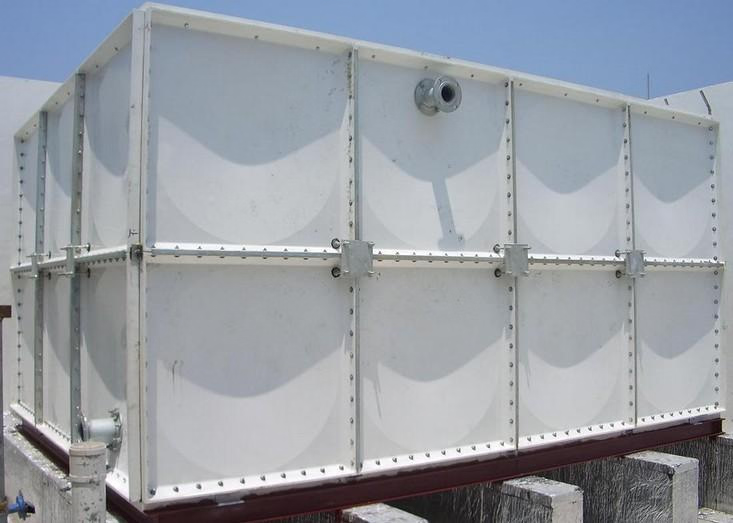
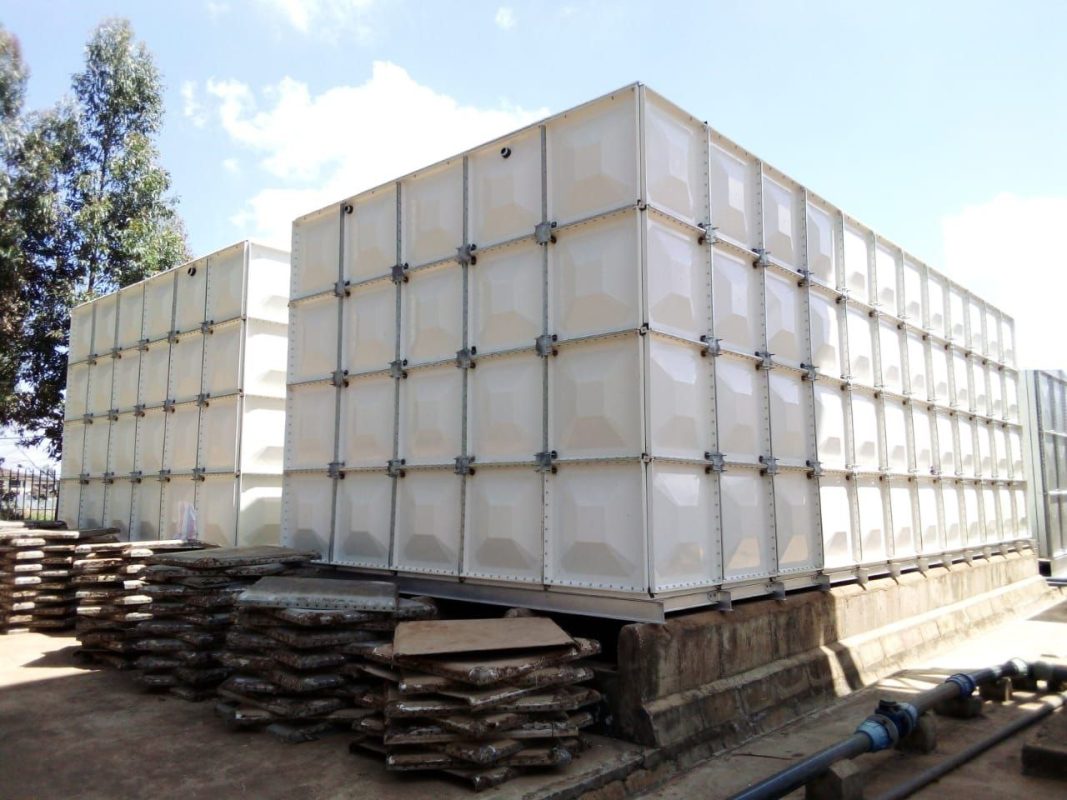
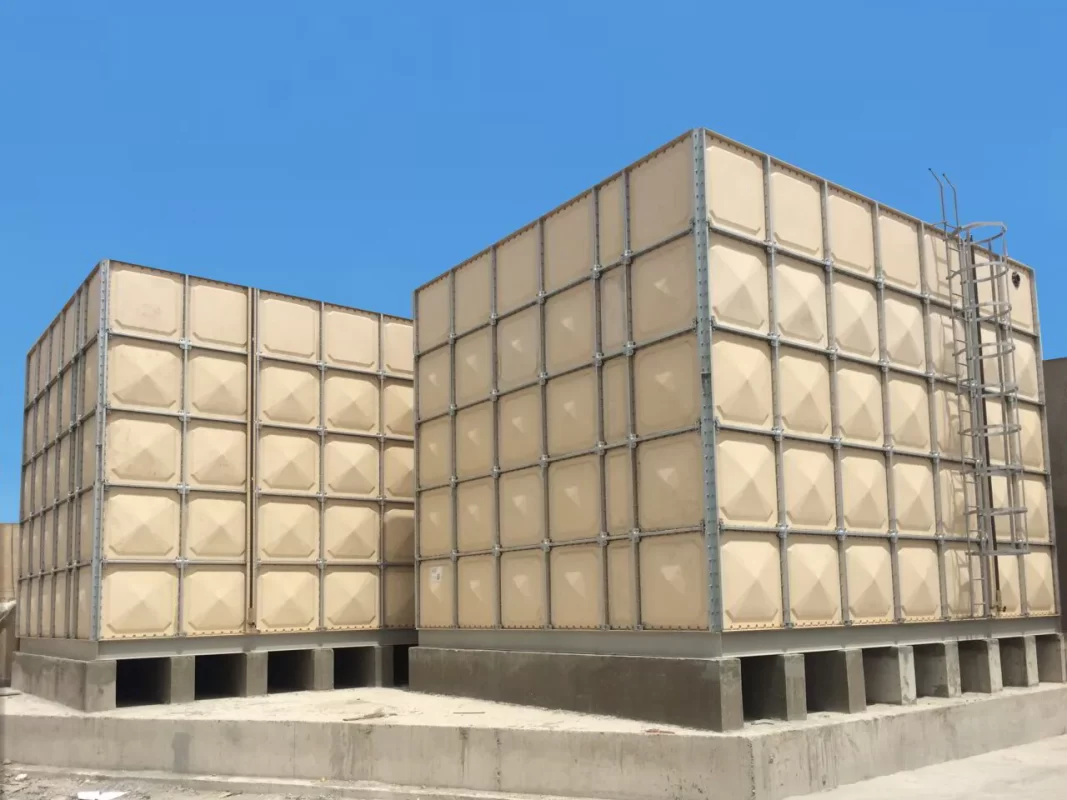
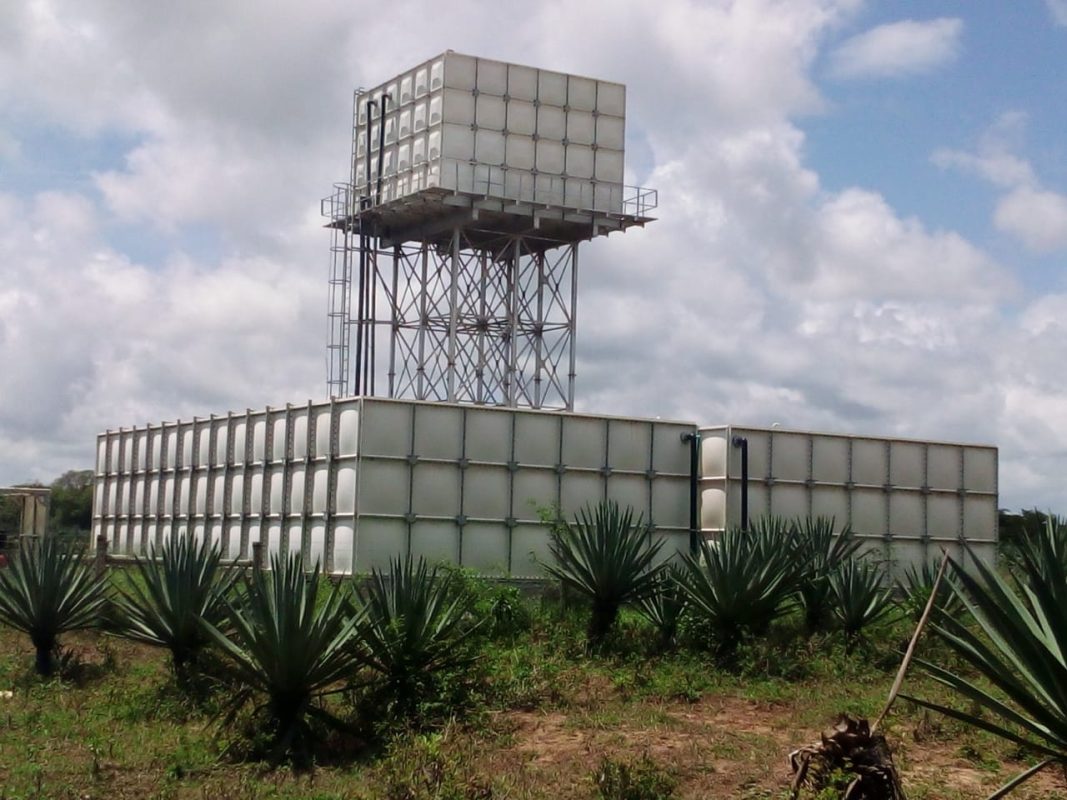
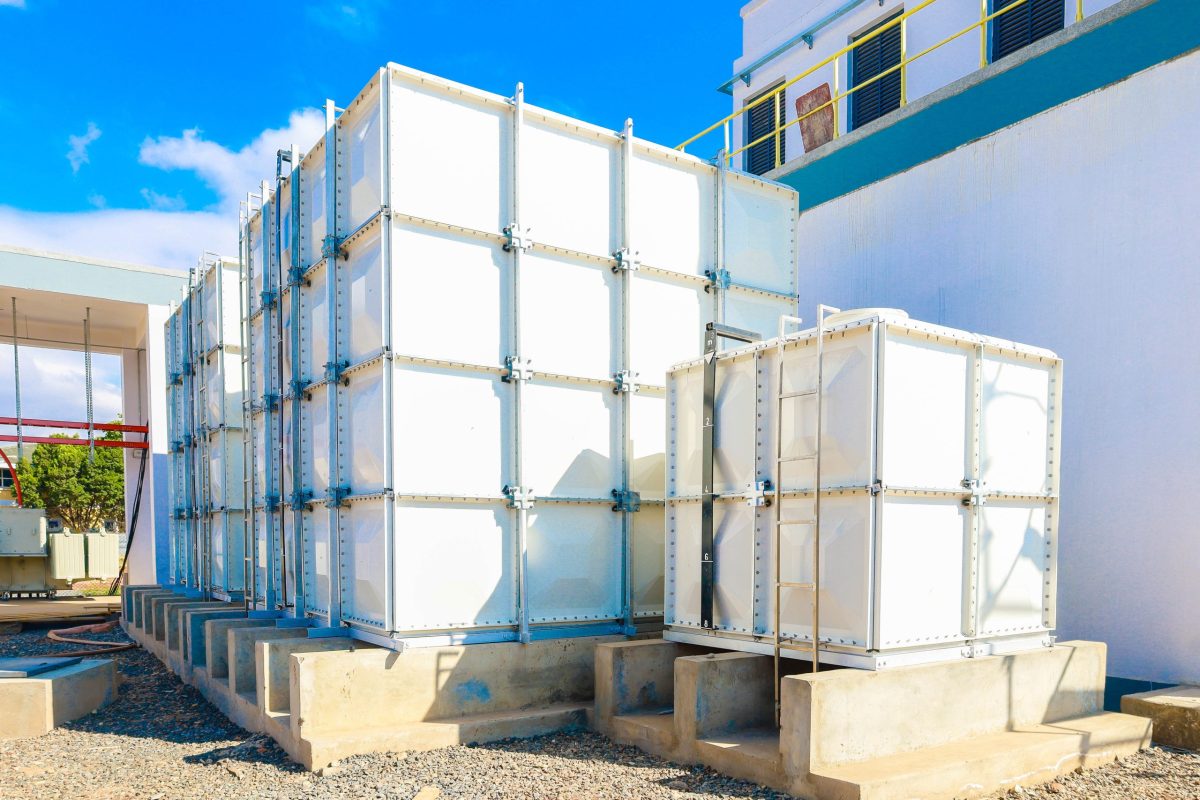
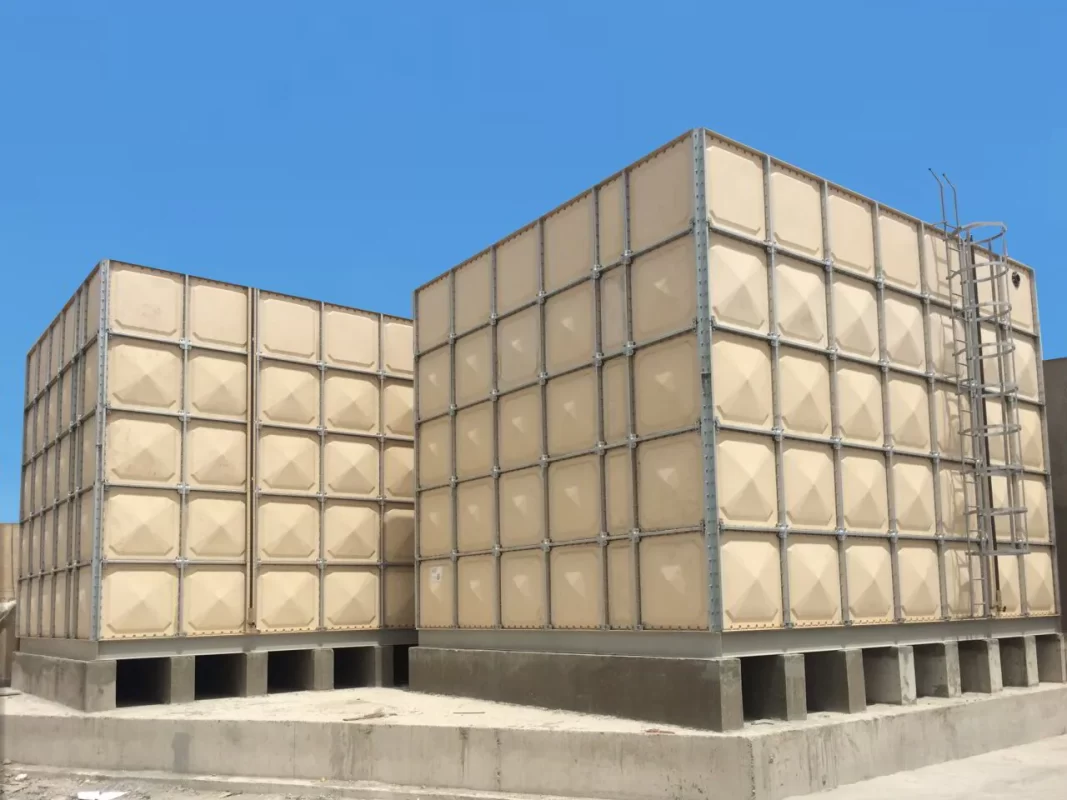
Solution: Use sectional GRP water storage tanks that are scalable and customizable to meet exact demand. GRP tanks allow modular expansion, ensuring developers can adjust storage capacity as needs grow.
Learn more about sectional GRP water storage tanks
Mistake 2: Choosing the Wrong Tank Material
Another frequent mistake is selecting a water tank made from an unsuitable material. Common tank materials include:
-
Plastic: Affordable but prone to degradation and limited lifespan (5–10 years).
-
Steel: Strong but susceptible to corrosion and rust, especially in Kenya’s humid coastal areas.
-
Concrete: Durable but heavy, costly to install, and prone to cracking if not properly maintained.
Developers often overlook the advantages of GRP water tanks, which are:
-
Corrosion-resistant: They don’t rust or react with chemicals in water.
-
Durable: Resistant to UV damage, impact, and cracking.
-
Lightweight: Easier to transport and install than concrete or steel tanks.
-
Hygienic: Non-reactive, ensuring safe drinking water for residents.
Read about the advantages of GRP tanks vs steel or concrete
Mistake 3: Neglecting Maintenance and Hygiene
Developers often overlook the importance of maintenance when selecting a water storage system. Steel and concrete tanks require frequent cleaning and protective coatings, while plastic tanks can accumulate biofilm over time.
GRP tanks from Aquosys offer low-maintenance, hygienic solutions that require minimal effort to keep water safe:
-
Easy-to-clean panels
-
Non-porous surfaces that resist bacteria
-
Modular design allows partial cleaning without emptying the entire tank
Implementing a proactive maintenance plan with GRP tanks ensures long-term water quality and compliance with health standards.
Discover GRP tank maintenance and hygiene benefits
Mistake 4: Poor Planning for Installation and Space
Many developers underestimate the space and structural requirements for water tanks, leading to installation delays and structural risks. Common issues include:
-
Placing heavy concrete tanks on unsupported rooftops
-
Installing tanks in locations that are hard to access for maintenance
-
Failing to allow space for piping, pumps, or overflow systems
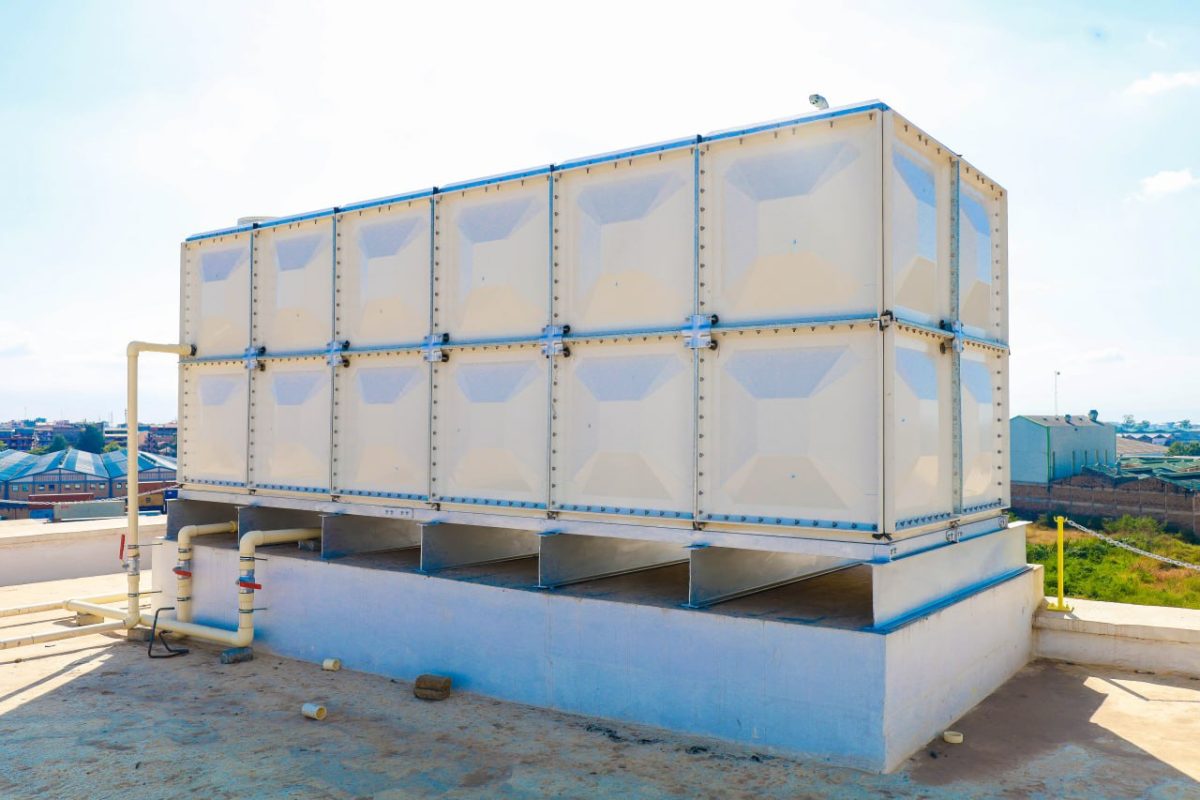
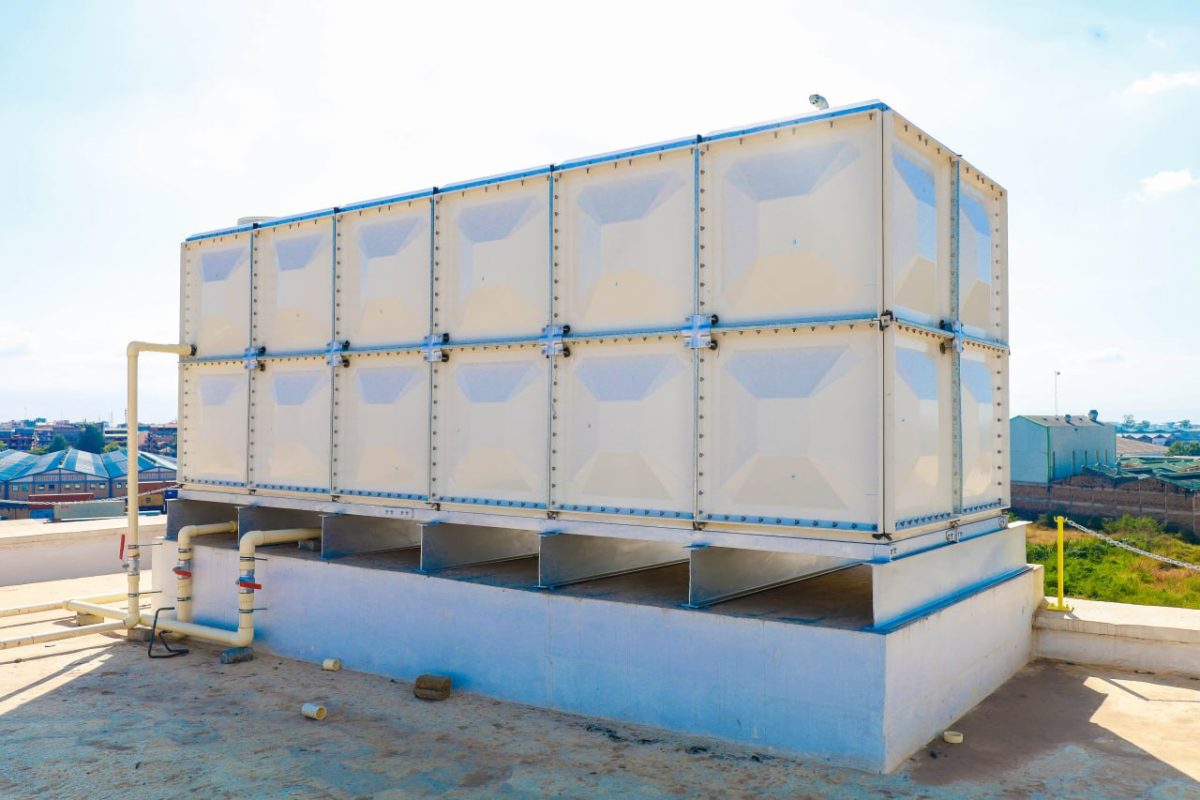
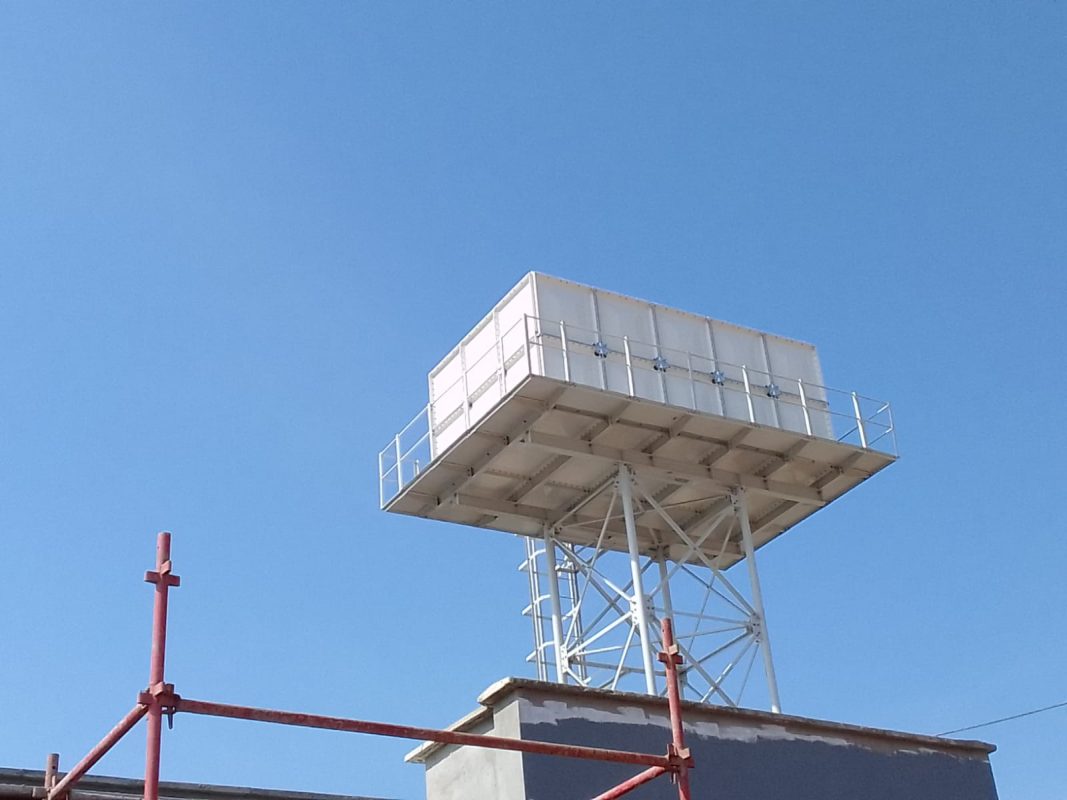
GRP tanks solve these problems because they are lightweight, modular, and adaptable. Sectional tanks can be installed in:
-
Rooftops with weight restrictions
-
Basements or tight urban plots
-
Irregularly shaped spaces where conventional tanks cannot fit
Aquosys provides full engineering support, including structural calculations and professional installation to ensure safety and compliance.
Learn more about professional installation support
Mistake 5: Ignoring Long-Term Cost Efficiency
Some developers make the mistake of focusing solely on initial cost, choosing cheaper tank options like small plastic tanks or non-modular steel tanks. While upfront costs may be low, long-term issues often arise:
-
Frequent replacement or repairs
-
Water quality issues leading to tenant complaints
-
Higher structural costs due to heavy concrete tanks
Investing in GRP water tanks offers better long-term value:
-
Longevity exceeding 20 years
-
Minimal maintenance and repair costs
-
Hygienic and reliable water supply for residents or operations
By planning for lifecycle costs rather than just the initial outlay, developers can ensure sustainable and cost-effective water storage solutions.
Request a quote for GRP water tanks
Avoid Water Storage Mistakes with Aquosys Limited
Developers in Kenya face numerous challenges when planning water storage for residential, commercial, or industrial projects. The top five mistakes—underestimating water demand, choosing the wrong material, neglecting maintenance, poor installation planning, and ignoring long-term cost efficiency—can all be mitigated by using GRP water tanks.
Aquosys Limited provides custom-designed sectional GRP tanks, expert installation, and nationwide support to help developers avoid these pitfalls. By selecting GRP tanks, developers ensure a reliable, hygienic, and durable water supply, enhancing tenant satisfaction and project success.
Call to Action
Ensure your development project has reliable, hygienic water storage. Contact Aquosys Limited today for GRP water tanks in Kenya and East Africa.
+254 754 750 750 | +254 729 749 749
sales@aquosys.co.ke
Get in Touch
Countrywide Project Support Available
Expert installation & engineering support
Large-scale & custom designs available
Serving Kenya, Uganda, Tanzania, Rwanda, South Sudan, Ethiopia & beyond