The Ultimate Guide to GRP Sectional Tank Installation (A Step-by-Step Checklist for Engineers)

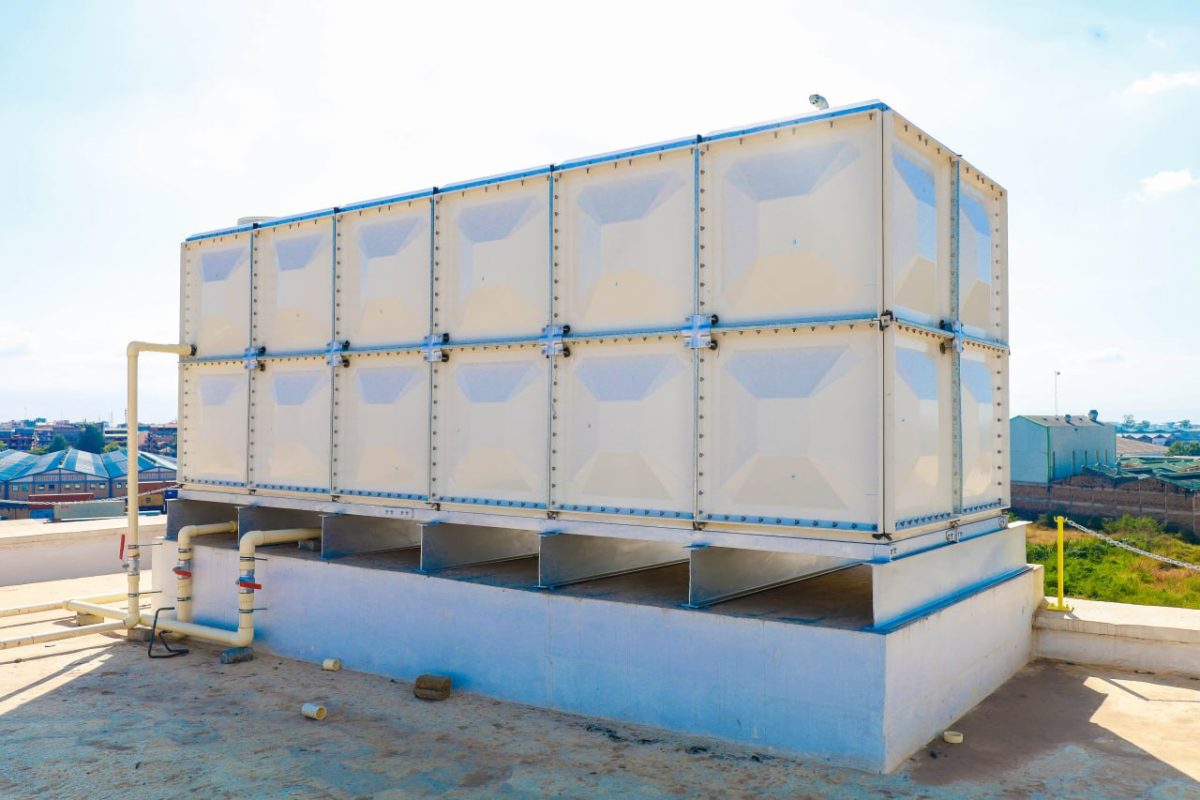
The Ultimate Guide to GRP Sectional Tank Installation (A Step-by-Step Checklist for Engineers)
Water storage is an essential aspect of modern infrastructure, whether for municipal supply, industrial operations, or commercial and residential buildings. Engineers, contractors, and developers are increasingly turning to GRP water tanks in Kenya for their superior durability, hygienic properties, and ease of installation. Among the various types of tanks available, sectional GRP water storage tanks have emerged as the most versatile solution, particularly for large-scale and customized projects.
In this guide, we provide a comprehensive step-by-step checklist for installing GRP sectional tanks, discuss their benefits over traditional materials, and explore applications across East Africa. We also highlight why Aquosys Limited is the leading manufacturer and installer of these tanks in the region.
Understanding GRP Water Tanks in Kenya
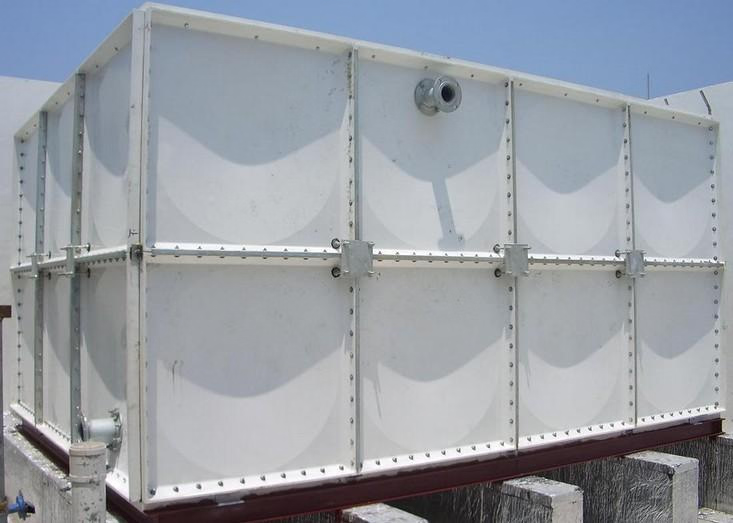
GRP, or Glass Reinforced Plastic, is a composite material made from fine glass fibers embedded in a polymer matrix. This combination provides remarkable strength, durability, and resistance to corrosion, making it ideal for water storage solutions.
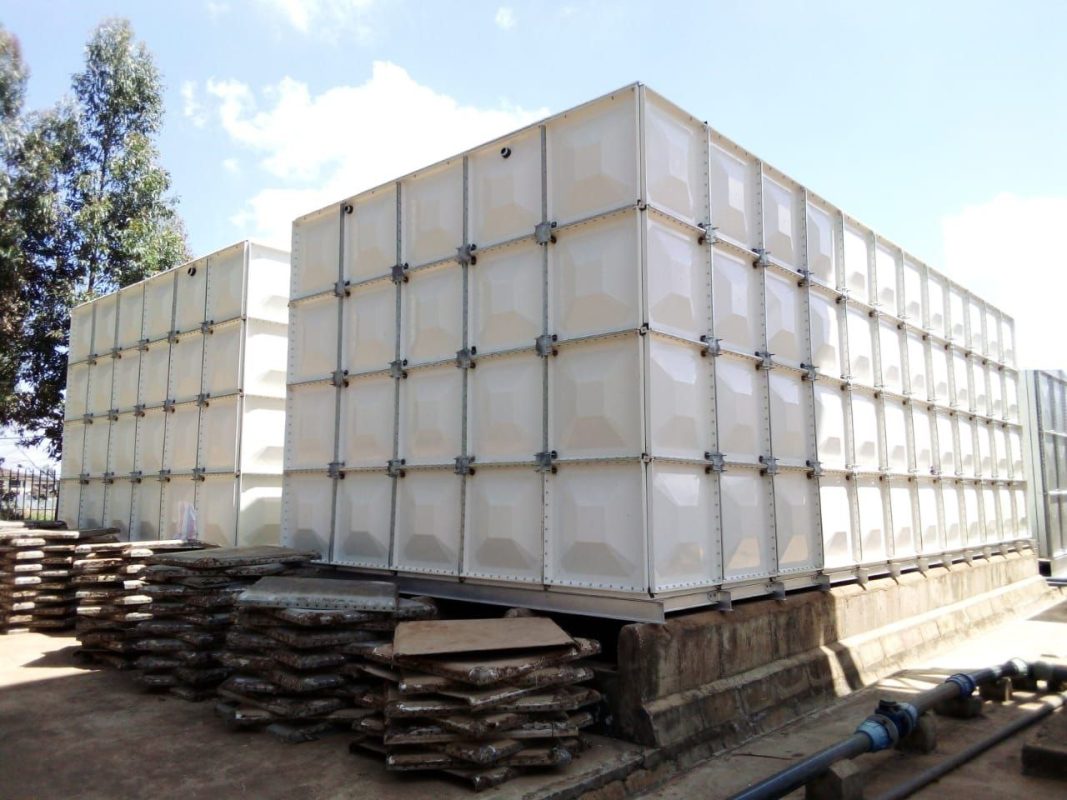
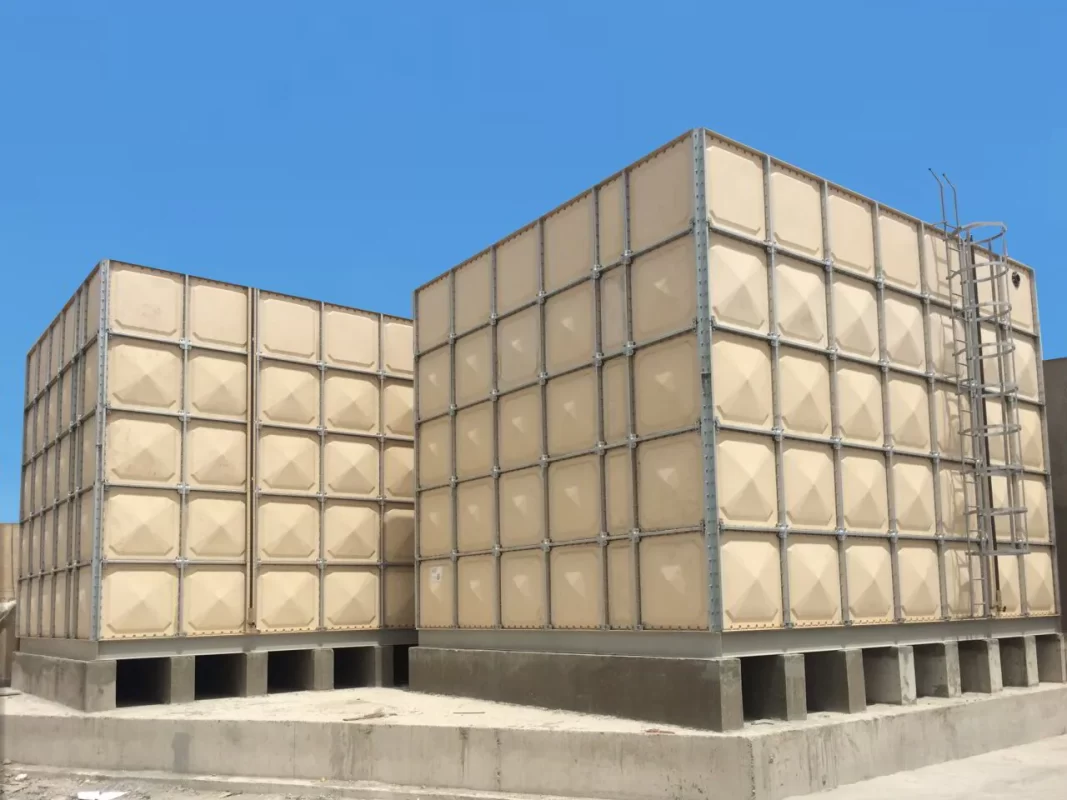
Unlike steel or concrete tanks, GRP water tanks are lightweight yet strong, hygienic, and resistant to environmental wear and tear. They can be manufactured in modular panels, allowing for sectional designs that are easy to transport, assemble, and expand.
For detailed specifications and material characteristics, you can explore Aquosys GRP Panels and Aquosys Characteristics.
Advantages of Sectional GRP Water Storage Tanks
Before diving into the installation checklist, it is important to understand why sectional GRP tanks are the preferred choice over steel, concrete, and plastic:
Hygienic and Safe for Drinking Water
GRP tanks are non-toxic and do not support bacterial growth. Their smooth, seamless panels prevent water stagnation and contamination, making them ideal for potable water storage in schools, hospitals, and high-rise apartments.
Corrosion-Resistant
Unlike steel tanks that rust over time, GRP tanks are impervious to corrosion, ensuring longevity even in harsh climates and areas with acidic or salty water.
Lightweight and Easy to Install
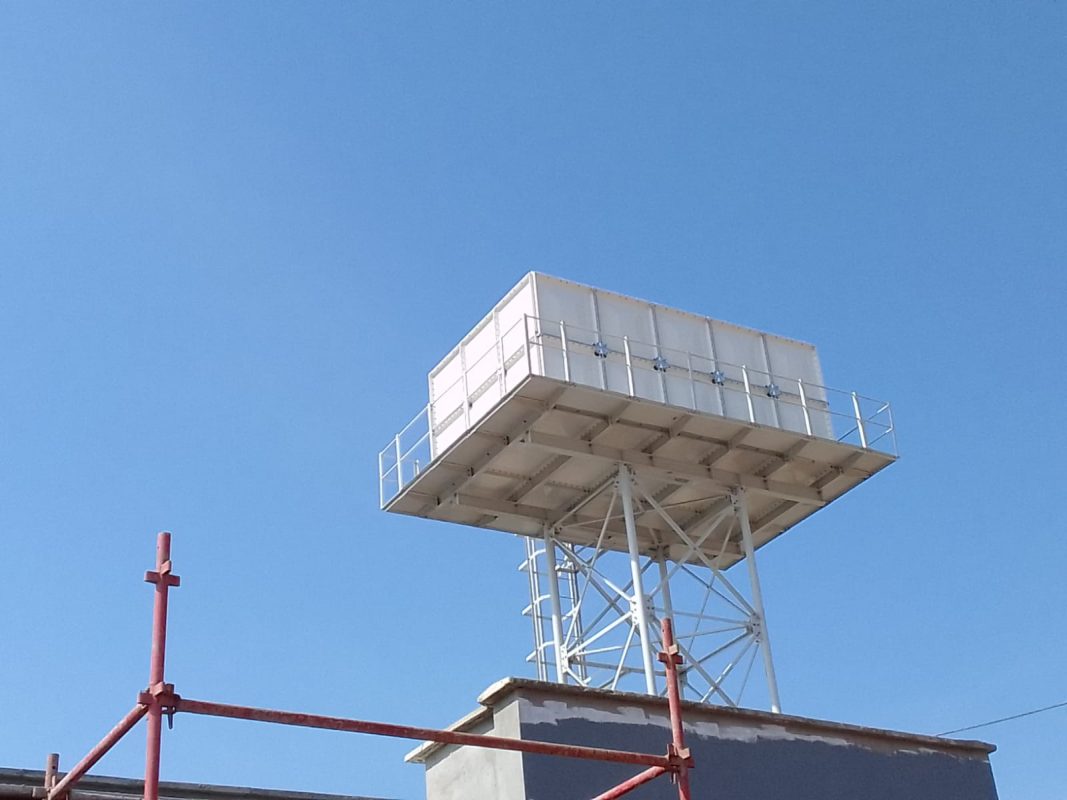
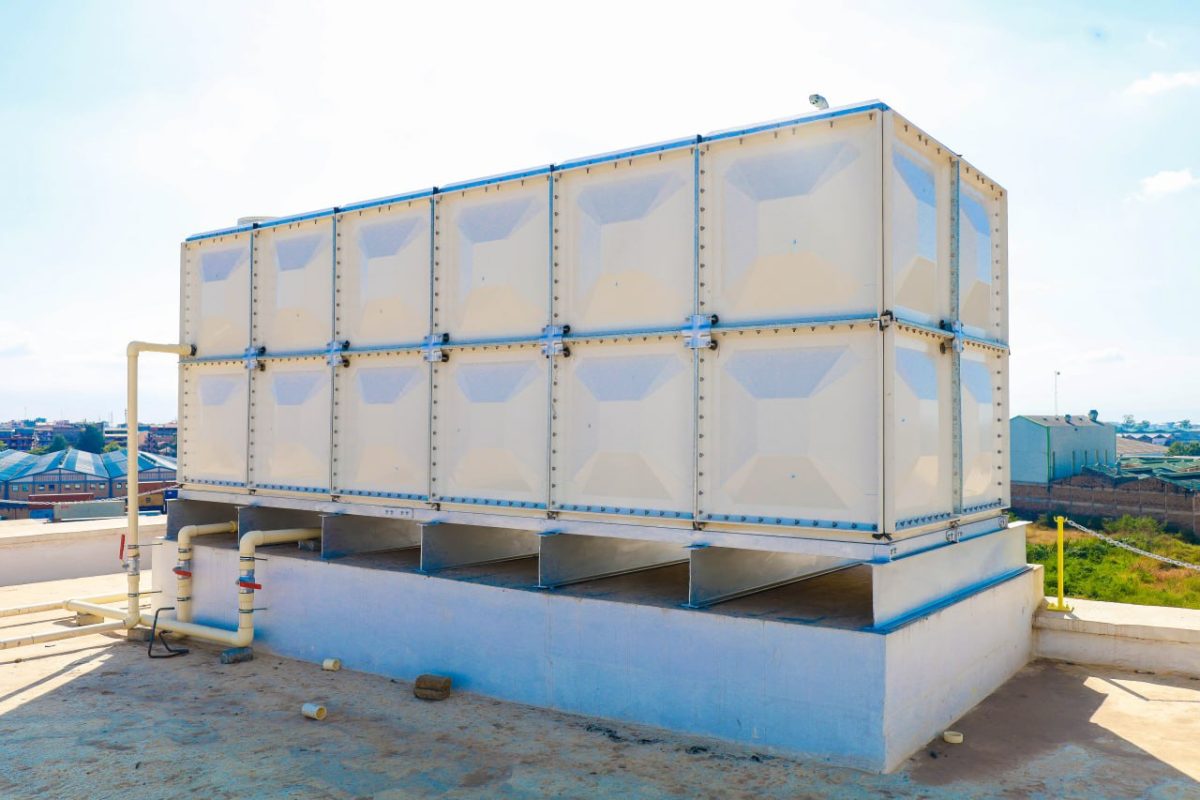
Modular GRP panels are lightweight compared to concrete or steel, reducing the need for heavy machinery during installation. This is particularly beneficial for rooftop installations in urban developments.
Temperature and UV Stability
GRP panels can withstand high temperatures and UV exposure without degradation, maintaining water quality over time.
Cost-Effective Maintenance
Due to their corrosion resistance and durability, GRP tanks require minimal maintenance, saving on long-term operational costs.
For a deeper understanding of tank assembly and precautions, check Aquosys Caution and Aquosys Installation.
Applications of GRP Tanks in East Africa
Sectional GRP water tanks are highly versatile and suitable for a wide range of applications:
-
Municipal Water Supply: GRP tanks are ideal for community water projects, providing hygienic storage for cities and towns.
-
Industrial Storage: Factories and processing plants rely on GRP tanks for storing process water, chemicals, and other liquids safely.
-
Commercial Buildings: Shopping malls, office complexes, and hotels benefit from the durability and modular design of sectional GRP tanks.
-
Residential Complexes and High-Rise Projects: Lightweight panels allow easy rooftop installations, maximizing storage without structural strain.
-
Hospitals and Schools: Reliable water supply is critical in healthcare and educational facilities, where hygiene standards are strict.
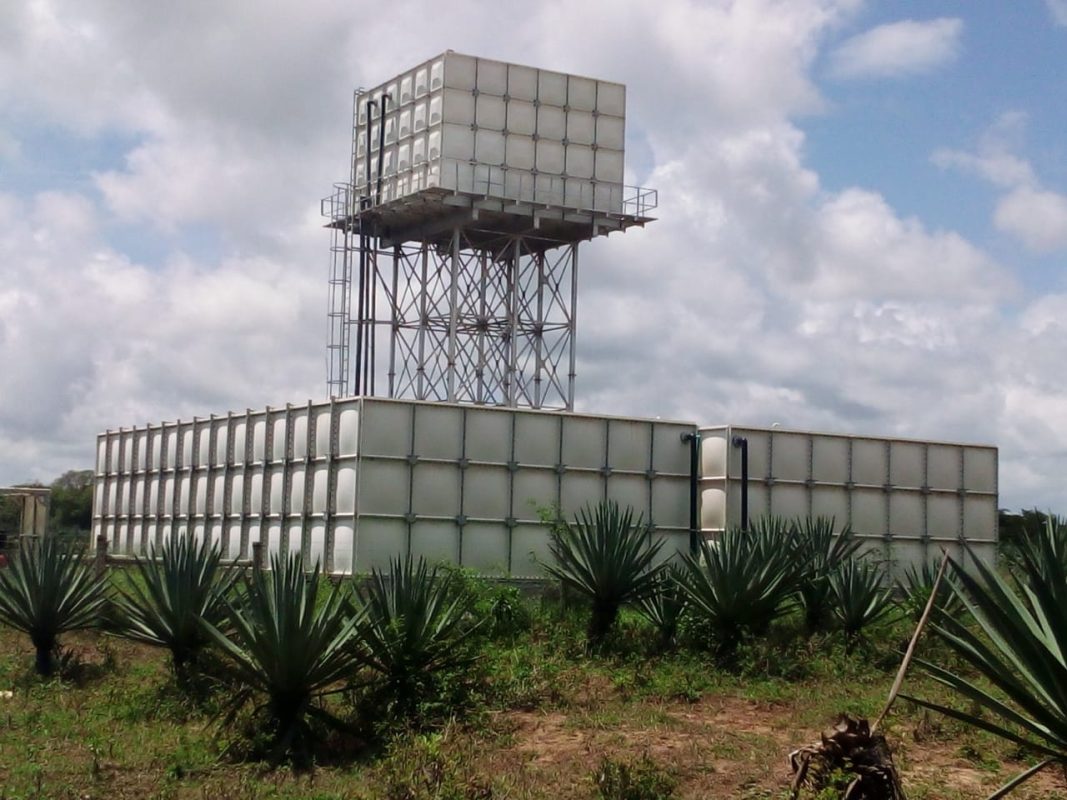
Aquosys has successfully delivered projects across Kenya, Uganda, Tanzania, Rwanda, South Sudan, and Ethiopia. See examples in our Portfolio and Gallery.
GRP Tanks vs. Other Materials
GRP vs. Steel Tanks
| Feature | GRP Tanks | Steel Tanks |
|---|---|---|
| Corrosion Resistance | Excellent | Susceptible to rust |
| Weight | Lightweight | Heavy |
| Installation | Modular and easy | Requires heavy machinery |
| Maintenance | Low | High |
GRP vs. Concrete Tanks
| Feature | GRP Tanks | Concrete Tanks |
|---|---|---|
| Lifespan | 25+ years | 15-20 years, prone to cracking |
| Water Quality | Hygienic | Risk of algae growth |
| Installation | Fast | Time-consuming and labor-intensive |
| Customization | Flexible | Difficult |
GRP vs. Plastic Tanks
| Feature | GRP Tanks | Plastic Tanks |
|---|---|---|
| Durability | High | Moderate |
| UV Stability | Excellent | Degrades over time |
| Size Flexibility | Large modular tanks | Limited sizes |
These comparisons show that GRP tanks offer the best combination of strength, hygiene, and adaptability for modern infrastructure.
Step-by-Step GRP Sectional Tank Installation Checklist
Installing a sectional GRP tank requires meticulous planning and adherence to safety standards. Below is a detailed checklist for engineers and contractors:
Site Assessment and Preparation
-
Inspect the proposed site for structural suitability.
-
Ensure ground stability for tanks placed at ground level.
-
Check load-bearing capacity for rooftop installations.
-
Clear debris and level the foundation.
Foundation Setup
-
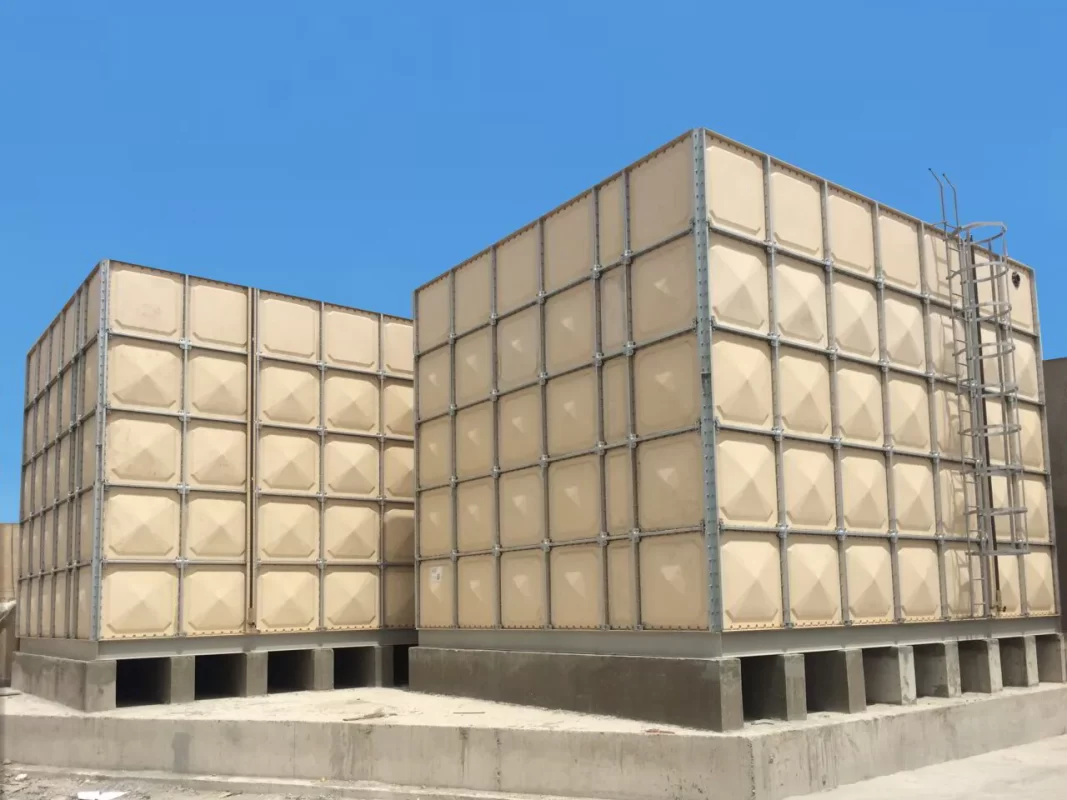
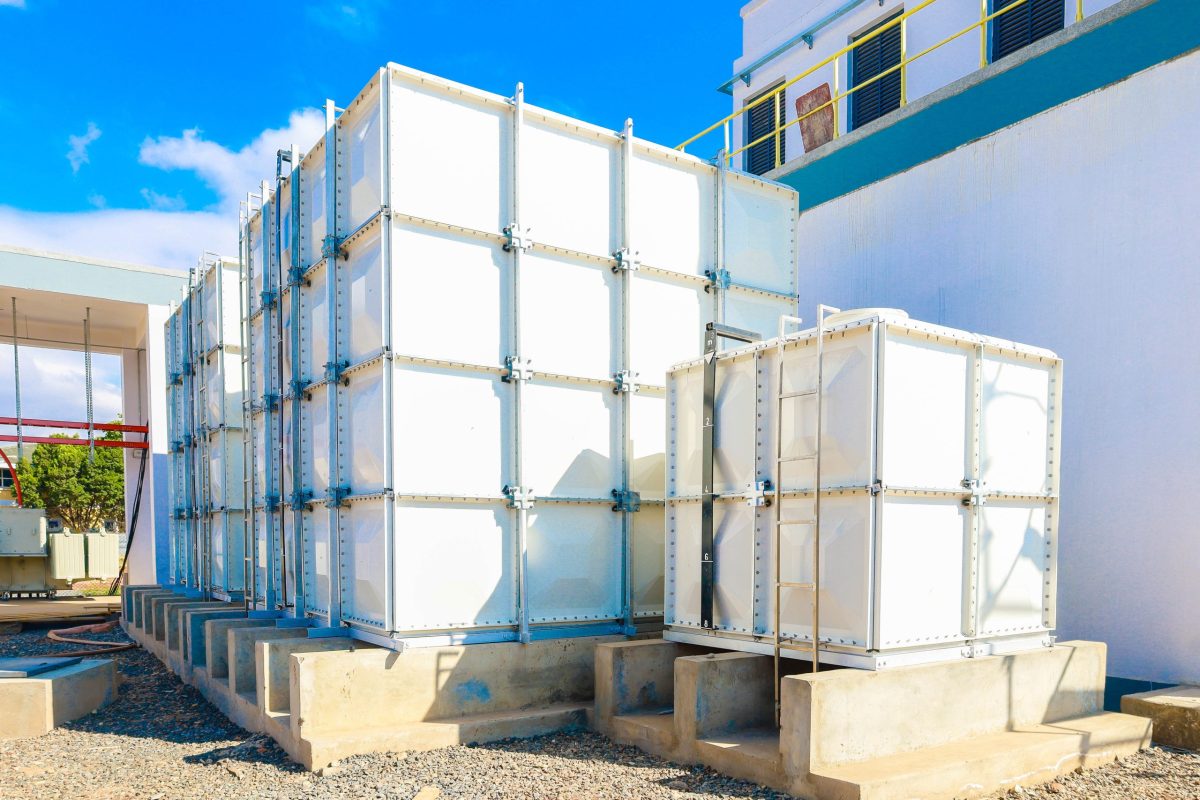
Construct a reinforced concrete plinth or base according to tank size.
-
Ensure proper drainage around the base to prevent water pooling.
-
Verify dimensions match the sectional tank panels.
For foundation guidelines, consult Aquosys Reinforcement.
Panel Inspection
-
Inspect all GRP panels for damage during delivery.
-
Verify panel sizes correspond to installation blueprint.
-
Ensure sealants and gaskets are included and in good condition.
Assembling the Tank
-
Start assembling panels from the base upward.
-
Apply silicone sealant or gaskets between panels to ensure a watertight seal.
-
Tighten bolts as per manufacturer’s specifications.
-
Use temporary braces to maintain alignment during assembly.
Installation of Accessories
-
Install inlet and outlet pipes, overflows, and drains.
-
Attach access ladders or manholes for maintenance.
-
Ensure ventilation and insulation, if required, to maintain water quality.
For accessory installation and insulation, refer to Aquosys Insulation.
Leak Testing
-
Fill the tank partially and check for leaks at joints and panels.
-
Inspect for panel deflection or misalignment.
-
Correct issues before full filling.
Full Filling and Final Inspection
-
Fill the tank completely and observe for structural integrity.
-
Test water quality for potability and hygiene standards.
-
Document installation details and maintenance schedule.
Maintenance Checklist
-
Periodically inspect joints, seals, and panel integrity.
-
Clean the tank interior annually.
-
Check inlet/outlet valves and accessories.
-
Schedule professional inspections for large-scale installations.
Cost of GRP Tanks in Kenya
The cost of GRP tanks depends on size, design, and customization. While they may have a higher initial investment compared to plastic tanks, the long-term benefits—durability, minimal maintenance, and extended lifespan—make them more cost-effective.
Factors affecting cost include:
-
Tank capacity (from 5,000 liters to several million liters)
-
Custom panel design and modular configuration
-
Accessories (ladders, manholes, insulation)
-
Installation complexity (rooftop vs. ground-level)
For a precise quotation tailored to your project, visit Aquosys Get in Touch and request a quote.
Why Choose Aquosys Limited for GRP Water Tanks
Aquosys Limited is a trusted partner for engineers, contractors, and developers seeking reliable GRP water storage solutions across East Africa. Here’s why:
-
Expert Engineering Support: Our team of civil and mechanical engineers ensures optimal tank design and installation.
-
Custom and Large-Scale Designs: We manufacture sectional GRP tanks to meet unique project specifications.
-
Countrywide Project Support: We deliver and install tanks in Kenya, Uganda, Tanzania, Rwanda, South Sudan, Ethiopia, and beyond.
-
Proven Track Record: Check our successful installations in Portfolio and Gallery.
-
Durable, Hygienic, and Corrosion-Resistant: All tanks comply with international standards for water safety and structural integrity.
Final Thoughts
The shift from steel, concrete, and plastic tanks to GRP sectional water storage tanks is driven by the need for durability, hygiene, and ease of installation. For engineers and developers in East Africa, these tanks offer:
-
Modular, scalable design
-
Reduced installation time and labor costs
-
Long-term reliability and minimal maintenance
-
Compatibility with diverse applications, from municipal to industrial to residential
By following the step-by-step checklist outlined in this guide, engineers can ensure a safe and efficient GRP tank installation that serves communities and businesses for decades.
Call to Action
For professional GRP water tank solutions, contact Aquosys Limited today. Our experts provide design, installation, and maintenance services for projects of any scale.
Call: +254 754 750 750 | +254 729 749 749
Email: sales@aquosys.co.ke
Visit Online: Get in Touch