How to Select the Right Sectional Water Tank for Large-Scale Projects

How to Select the Right Sectional Water Tank for Large-Scale Projects
Large-scale water storage projects require careful planning, design, and material selection to ensure durability, hygiene, and long-term efficiency. Whether for municipal water supply, industrial facilities, high-rise developments, or hospitals, choosing the right sectional water tank is a critical decision that impacts project cost, water quality, and operational reliability.
Sectional tanks, especially GRP (Glass Reinforced Plastic) tanks, are increasingly preferred for large-scale projects in East Africa due to their modularity, corrosion resistance, and adaptability. This article guides engineers, contractors, and developers on how to select the most suitable sectional water tank for major projects.
Understanding Sectional Water Tanks
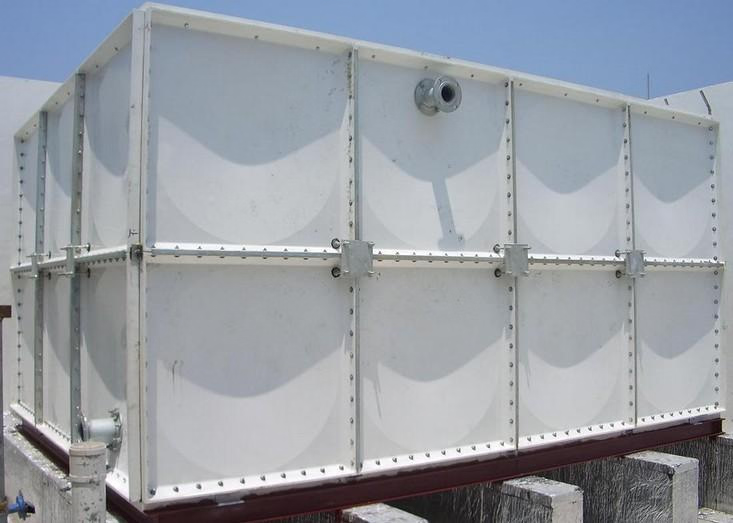
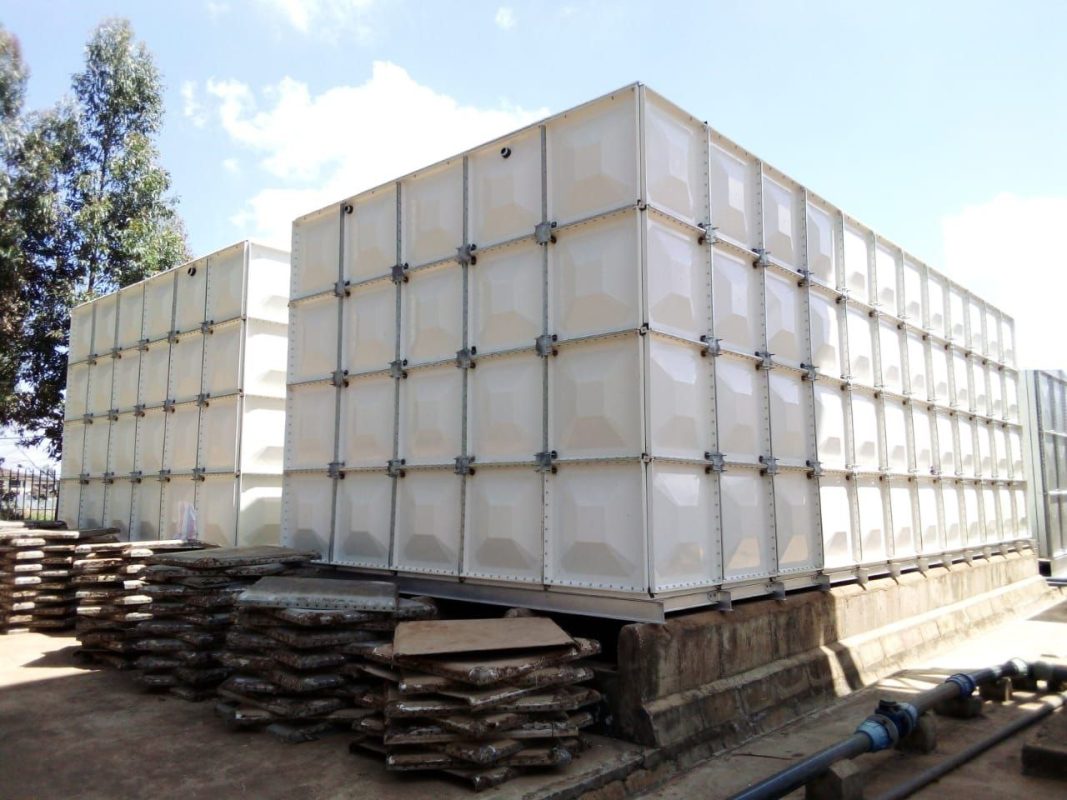
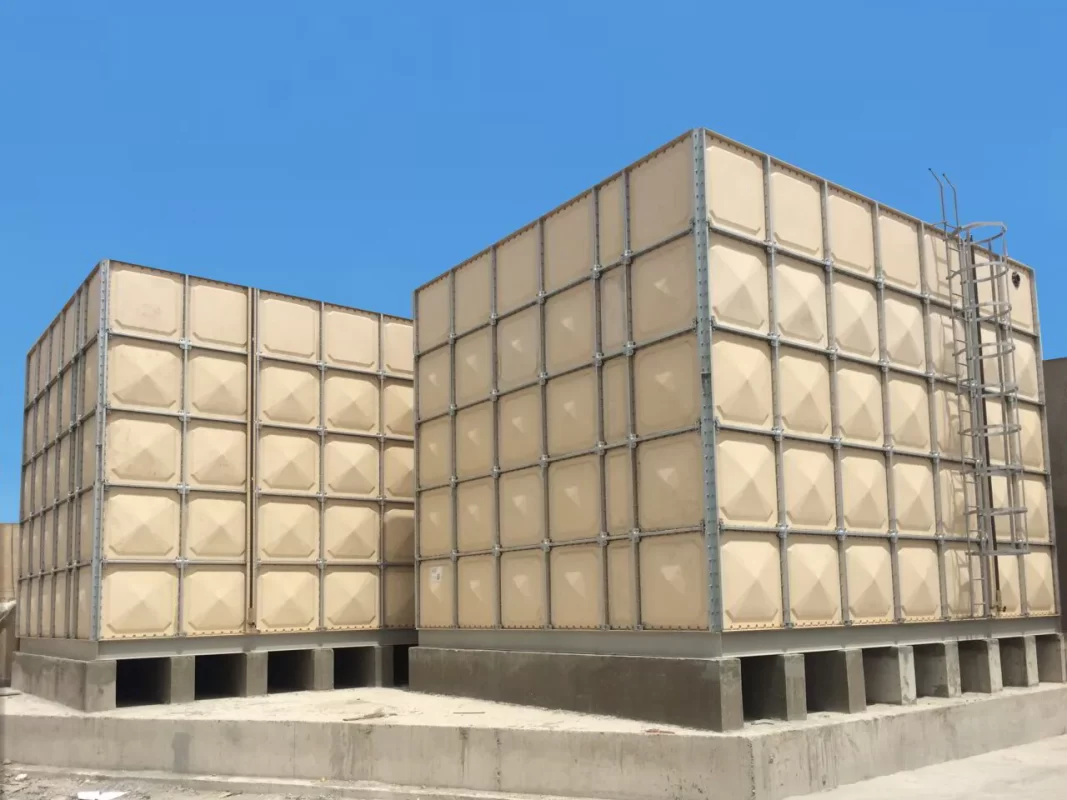
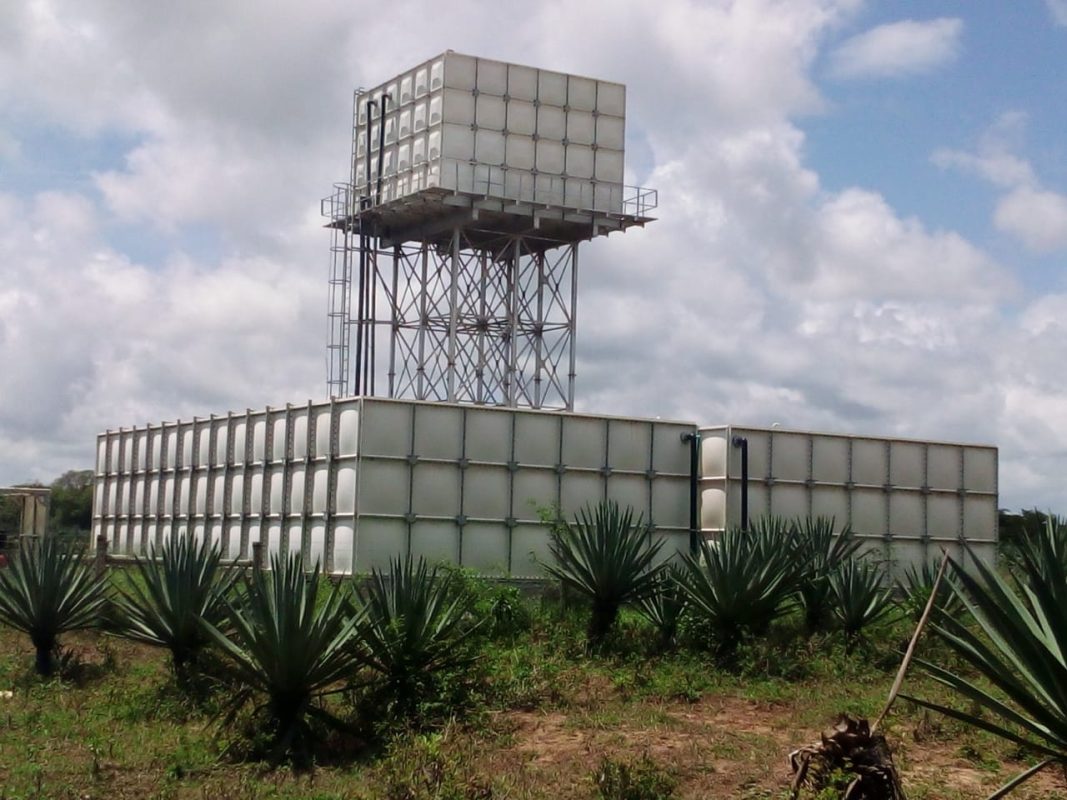
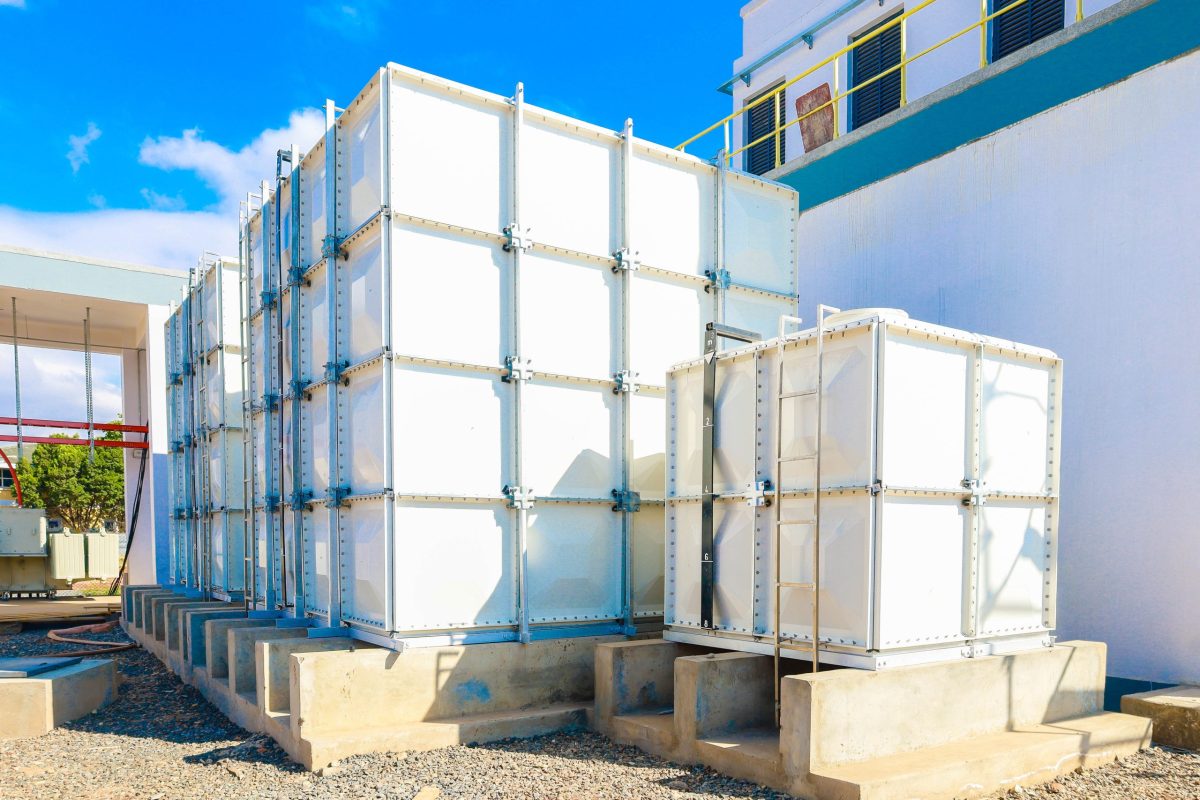
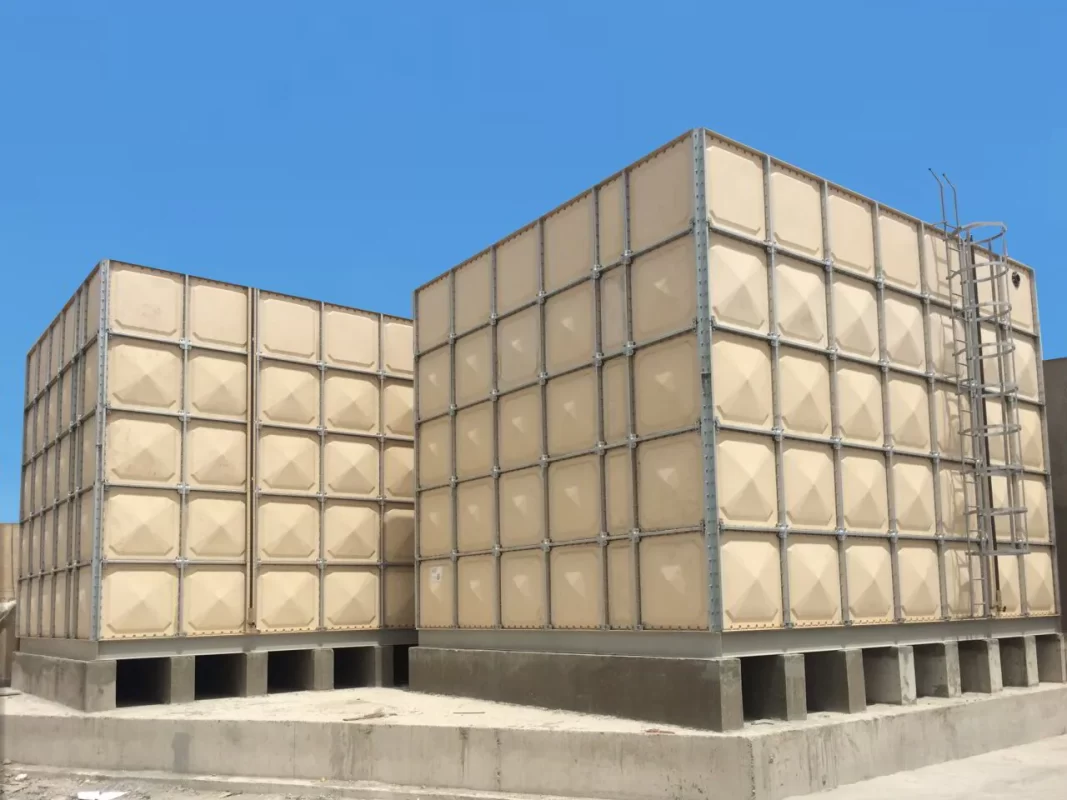
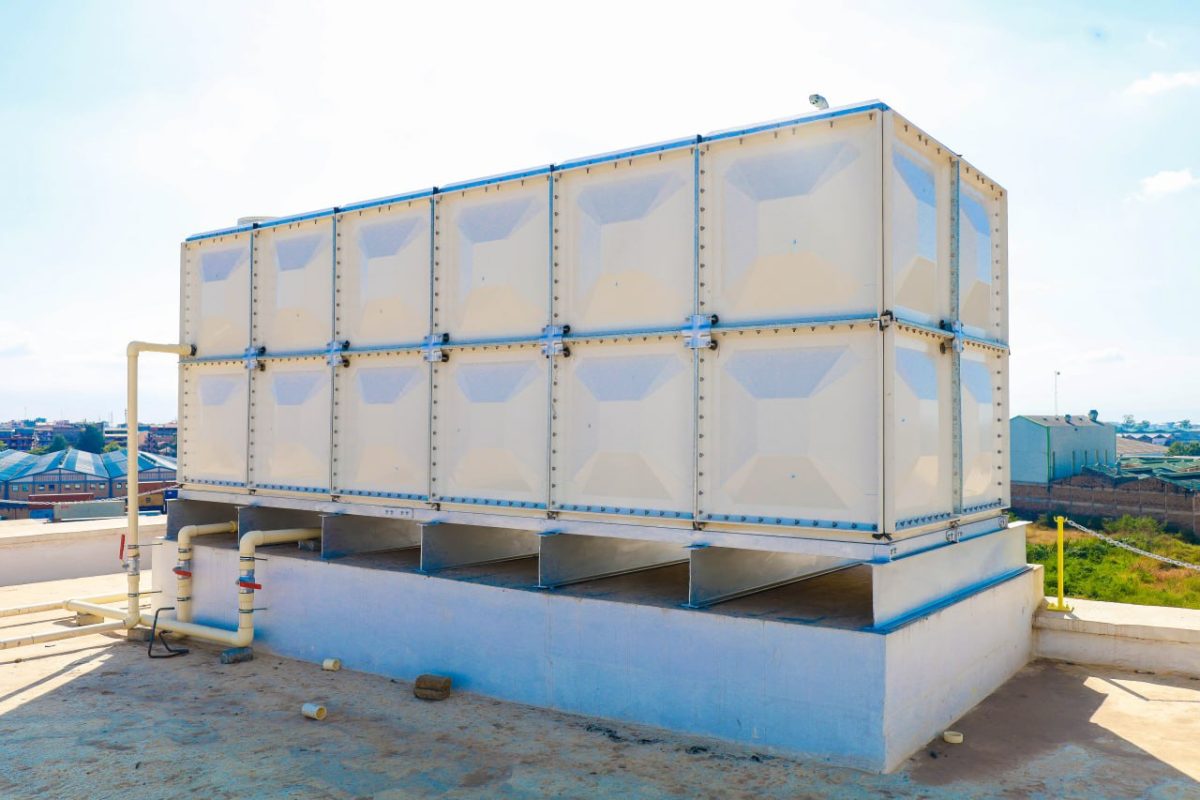
Sectional water tanks are modular tanks made up of panels that are assembled on-site. Unlike monolithic steel or concrete tanks, sectional tanks offer flexibility in size, shape, and capacity. The modular design makes transportation and installation easier, particularly for projects with restricted access or complex layouts.
GRP panels are widely used for sectional tanks because of their strength, lightweight properties, corrosion resistance, and hygienic surfaces. For details on Aquosys’ GRP panel designs, visit our GRP Panels page.
Key Factors to Consider When Selecting a Sectional Water Tank
Selecting the right sectional water tank involves evaluating several critical factors to ensure the project’s success and long-term performance.
1. Water Storage Capacity Requirements
Determine the volume of water needed for your project. Large-scale applications, such as municipalities, industrial facilities, or high-rise buildings, may require capacities ranging from tens of thousands to millions of liters. Sectional tanks can be customized to meet exact capacity requirements by adding or reducing panels.
Aquosys Limited provides expert guidance on designing custom-capacity tanks to meet project-specific needs. Learn more on our Characteristics page.
2. Material Selection
The choice of material affects durability, maintenance, and hygiene:
-
GRP Tanks: Lightweight, corrosion-resistant, modular, and hygienic; ideal for potable water and industrial applications.
-
Steel Tanks: Strong but prone to corrosion; requires coatings and regular maintenance.
-
Concrete Tanks: Durable but heavy, difficult to install, and may leach chemicals over time.
For most large-scale projects, GRP sectional tanks provide the best combination of hygiene, durability, and ease of installation.
3. Installation Environment
Consider the project site and environment:
-
Accessibility: Modular panels can be transported to remote or difficult-to-access sites.
-
Foundation: Ensure a stable, level base to prevent deformation.
-
Climate: Coastal and humid areas favor corrosion-resistant GRP panels.
Aquosys Limited offers installation support to ensure proper assembly and long-term performance.
4. Regulatory Compliance
Ensure the tank design meets local standards and international regulations for potable water storage. GRP tanks manufactured by Aquosys comply with hygiene and safety standards, making them suitable for hospitals, schools, and municipal water supply.
5. Expansion and Scalability
Large-scale projects may require future expansion. Sectional tanks allow additional panels to be added, increasing capacity without replacing the entire system. This flexibility is particularly valuable for industrial plants, municipal water projects, and large residential developments.
Advantages of Sectional GRP Tanks for Large-Scale Projects
| Feature | GRP Sectional Tanks | Steel Tanks | Concrete Tanks |
|---|---|---|---|
| Corrosion Resistance | Excellent | Moderate to poor | Moderate |
| Hygienic Surface | Yes | Requires coatings | Can leach minerals |
| Transport & Installation | Easy, modular | Heavy, requires cranes | Heavy, time-consuming |
| Scalability | Add panels to expand | Limited | Limited |
| Maintenance | Minimal | Regular rust prevention | Crack repair and sealing |
| Lifespan | 25+ years | 10–15 years | 15–20 years |
As seen, sectional GRP tanks offer superior benefits in durability, hygiene, and scalability for large-scale projects in East Africa.
Applications of Sectional Water Tanks
Sectional GRP tanks are suitable for a variety of large-scale applications:
Municipal Water Supply
Municipalities require large, hygienic storage for potable water. GRP sectional tanks are corrosion-resistant and modular, making them ideal for urban and remote water distribution projects. Visit our Portfolio for examples of municipal projects.
Industrial Facilities
Industrial water storage requires chemical-resistant, durable tanks. GRP sectional tanks provide long-term reliability and hygiene for processes, cooling, and fire protection systems.
High-Rise Buildings and Commercial Complexes
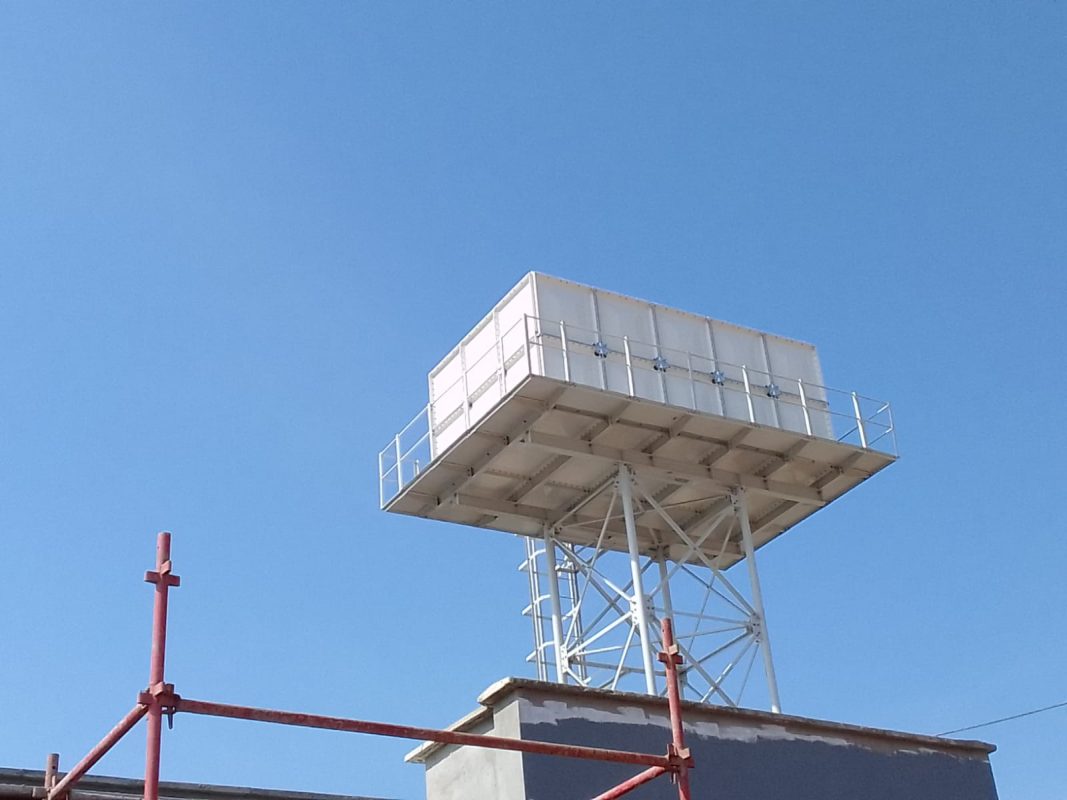
High-rise projects benefit from lightweight, modular tanks that reduce structural load and can be installed in confined spaces. GRP sectional tanks can be customized for any floor or rooftop configuration.
Hospitals and Schools
Water hygiene is critical in sensitive facilities. Sectional GRP tanks maintain a safe environment for potable water, minimizing the risk of bacterial contamination.
Installation and Maintenance Considerations
Proper installation and maintenance are key to maximizing the lifespan and safety of sectional water tanks:
-
Foundation: A stable, level concrete base ensures long-term structural integrity.
-
Panel Assembly: Certified sealants and bolts ensure leak-proof construction.
-
Periodic Inspection: Check joints and panels for leaks or wear.
-
Cleaning and Hygiene: Regular cleaning prevents biofilm and maintains water quality.
Compared to steel or concrete tanks, GRP sectional tanks require minimal maintenance, reducing operational costs for large-scale installations.
Cost Considerations for Large-Scale Sectional Tanks
While GRP sectional tanks may have a higher initial investment than basic plastic tanks, they provide long-term value:
-
Durability: Longer lifespan reduces replacement costs.
-
Low Maintenance: Minimal upkeep saves labor and materials.
-
Scalability: Ability to expand capacity prevents expensive tank replacement.
Aquosys Limited offers customized solutions and detailed cost estimates to help clients select the right sectional tank for their large-scale projects. Visit our Get in Touch page for consultations.
Why Choose Aquosys Limited for Sectional Tanks
Aquosys Limited is East Africa’s leading provider of GRP sectional water tanks. Advantages include:
-
Expert design and engineering support for large-scale projects.
-
Custom solutions tailored to project capacity, layout, and environment.
-
High-quality GRP panels manufactured to international standards.
-
End-to-end services including panel fabrication, reinforcement, insulation, installation, and maintenance.
-
Regional support across Kenya, Uganda, Tanzania, Rwanda, South Sudan, and Ethiopia.
Choosing Aquosys ensures reliable, hygienic, and long-term water storage for any large-scale project.
Conclusion
Selecting the right sectional water tank is critical for the success and longevity of large-scale projects. GRP sectional tanks offer unmatched durability, corrosion resistance, modularity, and hygiene, making them the ideal choice for municipal, industrial, commercial, and residential projects in East Africa.
By choosing Aquosys Limited, engineers and developers gain access to expert design, high-quality GRP panels, and comprehensive support, ensuring safe and reliable water storage for decades.
Call to Action
Request a quote or get in touch with Aquosys Limited for expert guidance on selecting the right sectional water tank for your large-scale project.
Aquosys Limited
Email: sales@aquosys.co.ke
Phone: +254 754 750 750 | +254 729 749 749
Visit Online: Get in Touch