
GRP Water Tank Maintenance – The Ultimate Checklist for Kenya | Aquosys Limited

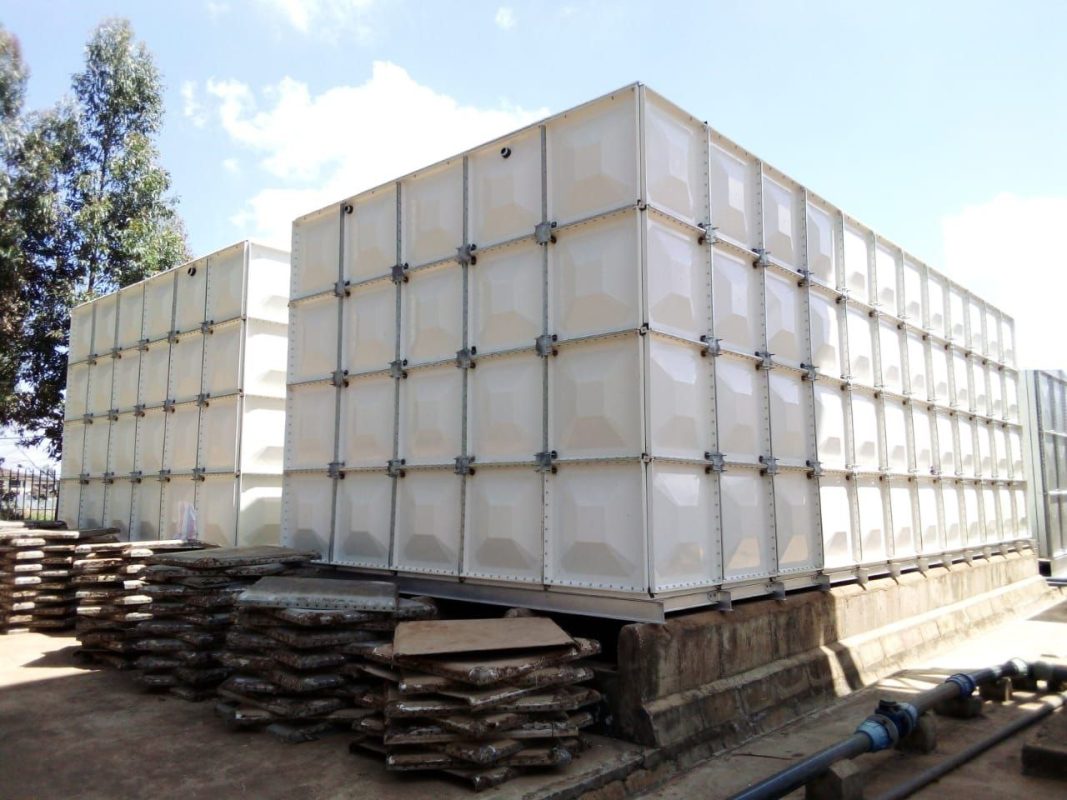
The Ultimate Maintenance Checklist for Your GRP Water Tank
Glass Reinforced Plastic (GRP) water tanks are among the most reliable and durable solutions for water storage in Kenya and East Africa. They are corrosion-resistant, hygienic, lightweight, and modular, making them ideal for residential, commercial, and industrial projects. However, to ensure that your GRP water tank performs optimally and lasts for decades, regular maintenance is essential.
In this guide, Aquosys Limited provides the ultimate maintenance checklist for your GRP water tank, helping you safeguard water quality, structural integrity, and long-term durability.
Why Maintenance of GRP Water Tanks is Important
While GRP tanks are designed for durability, they are not maintenance-free. Regular inspections and proper care help prevent:
-
Leaks and structural damage
-
Contamination and bacterial growth
-
Reduced water capacity due to sediment build-up
-
Premature aging caused by UV exposure or temperature fluctuations
Maintaining your tank ensures hygienic water storage for homes, hospitals, schools, and industrial facilities. For more information on our high-quality GRP panels, visit GRP Panels.
Sectional GRP Water Tanks: Maintenance Considerations
Most large GRP tanks in Kenya are sectional, assembled on-site from modular panels. Maintenance of sectional tanks includes:
-
Inspecting Joints and Seals – Check panel connections for leaks or loose fasteners.
-
Monitoring Reinforcements – Ensure the structural reinforcements remain intact (Reinforcement Details).
-
Cleaning Accessible Surfaces – Remove dust, leaves, and debris from tank tops and access points.
Sectional tanks offer the flexibility of replacing individual panels if damage occurs, simplifying long-term maintenance.
The Ultimate GRP Water Tank Maintenance Checklist
Follow this comprehensive checklist to keep your tank in excellent condition.
1. Inspect the Tank Exterior
-
Look for visible cracks, discoloration, or warping.
-
Check for any structural damage caused by accidental impact.
-
Ensure that protective coatings (if any) are intact.
For visual references, see our Gallery of properly installed tanks.
2. Inspect the Tank Interior
-
Open the manhole cover safely and check for any internal damage.
-
Inspect the GRP panels for cracks or signs of delamination.
-
Look for algae, mold, or other microbial growth.
3. Check Joints and Fasteners
-
Ensure all panel connections are tight and sealed.
-
Replace any corroded or missing fasteners immediately.
-
Check silicone or rubber gaskets for wear and tear.
For more details, visit our Installation page.
4. Clean the Tank
-
Drain the tank completely before cleaning.
-
Use a mild, non-abrasive detergent and soft brush to clean panels.
-
Rinse thoroughly to remove soap residue.
5. Check Inlet and Outlet Pipes
-
Inspect for leaks, corrosion, or blockages.
-
Ensure valves and filters are functioning correctly.
-
Replace worn-out parts to maintain water flow efficiency.
6. Inspect the Tank Foundation
-
Verify that the base or foundation remains level and stable.
-
Check for signs of erosion, cracks, or settlement.
-
Ensure that drainage around the tank prevents water accumulation under the foundation.
7. Monitor Water Quality
-
Test water for pH, turbidity, and microbial contamination periodically.
-
Ensure that chlorination or other disinfection methods are maintained.
8. Temperature and Insulation Checks
-
Ensure that insulation layers, if installed, are intact. (Insulation Options)
-
Check for UV damage on exposed panels.
-
Consider shading or additional insulation in areas with high temperature fluctuations.
9. Safety and Caution Measures
-
Ensure that ladders, hatches, and access points are secure.
-
Use protective gear during inspection and cleaning.
-
Follow manufacturer guidelines to prevent accidents. (Caution Guidelines)
Benefits of Regular GRP Tank Maintenance
Performing regular maintenance ensures:
-
Longevity – Proper care can extend the life of a GRP tank up to 30 years.
-
Hygienic Water Storage – Reduces risk of contamination and microbial growth.
-
Optimal Capacity – Prevents sediment build-up that reduces usable storage volume.
-
Structural Integrity – Detects issues early, preventing costly repairs.
For more technical specifications, check our Characteristics page.
Applications of GRP Tanks in East Africa
Maintained GRP tanks are crucial in a variety of applications:
-
Industrial Water Storage – Factories and plants rely on uninterrupted, clean water.
-
Municipal Supply – Ensures safe drinking water for communities.
-
Commercial Buildings & High-Rises – Lightweight and modular tanks fit basements and rooftops.
-
Hospitals & Schools – Clean water storage for sensitive environments.
Visit our Portfolio to see GRP tank installations across East Africa.
Common Maintenance Mistakes to Avoid
-
Neglecting Inspection Frequency – Regular monthly checks prevent minor issues from escalating.
-
Using Harsh Chemicals – Abrasive cleaners can damage GRP surfaces.
-
Ignoring Seals and Fasteners – Loose joints can lead to leaks and contamination.
-
Skipping Foundation Checks – An unstable base can compromise the entire tank structure.
Avoiding these mistakes ensures long-term reliability.
GRP vs. Other Tank Materials: Maintenance Comparison
| Feature | GRP | Steel | Concrete | Plastic |
|---|---|---|---|---|
| Corrosion Resistance | Excellent | Poor | Good | Good |
| Hygienic Surface | Excellent | Moderate | Poor | Moderate |
| Weight | Lightweight | Heavy | Very Heavy | Light |
| UV Stability | High | Moderate | Moderate | Low |
| Maintenance Needs | Low | High | High | Moderate |
Clearly, GRP tanks offer superior advantages in both durability and ease of maintenance.
Request Professional GRP Tank Maintenance
Aquosys Limited offers expert maintenance services for residential, commercial, and industrial GRP tanks. Our trained engineers ensure:
-
Comprehensive inspection
-
Cleaning and disinfection
-
Minor repairs and panel replacement
-
Advice on preventative maintenance
Contact Us Today:
Email: sales@aquosys.co.ke
Phone: +254 754 750 750 | +254 729 749 749
Visit: Get in Touch
COUNTRYWIDE PROJECT SUPPORT AVAILABLE
Serving Kenya, Uganda, Tanzania, Rwanda, South Sudan, Ethiopia & beyond
Expert installation & maintenance support
Large-scale & custom GRP tank solutions
Conclusion
A well-maintained GRP water tank guarantees safe, hygienic, and reliable water storage. By following this ultimate maintenance checklist, you protect your investment, extend the life of your tank, and ensure uninterrupted water supply for residential, commercial, or industrial needs.

