
Underground Tanks Kenya: Why GRP Sectional Tanks Are Better Than Concrete

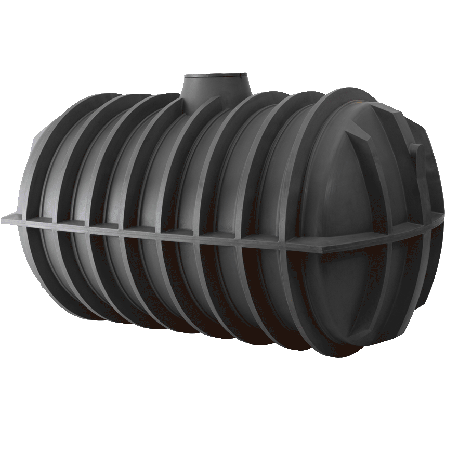
The Rising Demand for Underground Water Tanks in Kenya
Across Kenya, underground and basement water tanks are becoming a standard requirement in modern construction. From high-rise apartments and hotels to hospitals, malls, factories, and institutional facilities, developers are increasingly locating water storage below ground level to save space, protect aesthetics, and meet regulatory and engineering requirements.
In cities such as Nairobi, Mombasa, Kisumu, Eldoret, and rapidly growing satellite towns, underground tanks are preferred for:
-
Efficient land use
-
Improved building aesthetics
-
Structural integration with basements and parking levels
-
Protection from vandalism and UV exposure
However, as underground installations increase, a major problem has emerged: traditional concrete underground tanks are failing.
This has led developers, engineers, and consultants to actively search for Underground Tanks Kenya solutions that are safer, cleaner, and more reliable. The answer is increasingly clear — GRP sectional tanks from Aquosys Limited.
Why Concrete Basement Tanks Are a Problem in Kenya
Concrete has long been used for underground water tanks in Kenya, but experience has exposed serious structural, hygienic, and operational weaknesses — especially in basements.
1. Cracking Due to Ground Movement
Soil settlement, vibration, and minor seismic activity cause concrete tanks to crack over time. Once cracks develop, leakage is almost inevitable.
2. Groundwater Ingress and Water Loss
Basement tanks are exposed to external groundwater pressure. Concrete is porous by nature, allowing seepage into the tank (contamination) or out of the tank (water loss).
3. Hygiene and Water Quality Issues
Concrete reacts with water, encouraging algae and bacterial growth. Over time, water becomes unsafe — a serious concern for residential, medical, and food-related facilities.
4. Difficult and Costly Repairs
Repairing underground concrete tanks requires hacking, re-waterproofing, and repeated sealing — often without permanent success.
Because of these challenges, developers searching for Underground Tanks Kenya are increasingly specifying GRP sectional tanks instead of concrete.
The Superior Alternative: GRP Sectional Underground Tanks in Kenya
Aquosys Limited provides engineered GRP (Glass Reinforced Plastic) sectional tanks designed specifically for underground and basement installations.
Unlike concrete tanks, GRP tanks are:
-
Factory-manufactured under strict quality control
-
Non-porous and watertight
-
Corrosion-free and chemically inert
-
Hygienic and food-grade
Aquosys GRP tanks are manufactured using advanced Sheet Moulding Compound (SMC) technology and comply with international engineering standards. Their performance advantages are outlined in Aquosys’ tank characteristics and internationally aligned design standards.
Why GRP Tanks Are Better Than Concrete for Basements in Kenya
1. Guaranteed Watertight Construction
GRP panels are sealed with precision gaskets and stainless-steel fasteners, ensuring zero leakage — even under groundwater pressure.
2. Resistance to Ground Movement
GRP sectional tanks flex slightly under stress without cracking. This makes them ideal for Kenya’s variable soil conditions and basement installations.
3. Superior Hygiene for Stored Water
Aquosys GRP tanks use food-grade hygienic panels that prevent algae and bacterial growth. These benefits are clearly explained in Aquosys’ research on hygienic GRP panels.
4. Faster Installation in Basements
Unlike concrete tanks that require curing and waterproofing, GRP tanks are assembled on site using a proven installation process, reducing construction timelines.
5. Easy Inspection and Maintenance
GRP tanks feature smooth internal surfaces, access manholes, and optional partitions — making cleaning and inspection simple.
Engineering Strength of GRP Underground Tanks in Kenya
Aquosys GRP tanks are engineered with robust internal and external reinforcement systems, allowing them to withstand:
-
Hydrostatic water pressure
-
External soil pressure
-
Long-term underground loading
These reinforcement systems are explained in detail under Aquosys’ reinforcement solutions.
For facilities requiring continuous operation, Aquosys also offers partitioned tank designs, allowing one chamber to remain active while the other undergoes cleaning or inspection. Learn more through Aquosys’ partition type configurations.
Installation of Underground GRP Tanks in Kenya
Aquosys Limited specializes in basement and underground tank installations across Kenya. GRP tanks are delivered as modular panels and assembled inside the basement or excavation, eliminating the need for heavy lifting equipment.
The installation process follows best practices outlined in Aquosys’ official GRP tank installation guide and includes:
-
Base preparation
-
Panel assembly
-
Sealing and pressure testing
-
Commissioning
Post-installation, Aquosys provides clear guidelines on safe operation and upkeep through its caution and maintenance protocols.
Proven Underground Tank Projects by Aquosys
Aquosys has successfully delivered large-capacity underground GRP tanks for residential estates, hospitals, hotels, and commercial facilities across Kenya.
One notable installation is the Chiromo project (75,000L), demonstrating Aquosys’ capability to execute complex, space-constrained water storage systems.
More underground and basement installations can be explored through the Aquosys portfolio and visual references available in the gallery.
Why Aquosys Is the Best Choice for Underground Tanks in Kenya
Aquosys Limited is recognized as a leading GRP water tank manufacturer and installer in East Africa.
As a top GRP water tank manufacturer in Kenya and East Africa, Aquosys delivers underground tank solutions that outperform concrete in durability, hygiene, and lifecycle cost.
Developers seeking reliable underground water storage solutions in Kenya benefit from Aquosys’ extensive technical expertise, documented in resources on reliable water storage and comprehensive guides on GRP water tanks in Kenya.
Cost Comparison: GRP Underground Tanks vs Concrete in Kenya
While concrete tanks may appear cheaper initially, long-term costs tell a different story.
Concrete Tanks:
-
Cracking and leakage
-
Costly waterproofing repairs
-
Hygiene risks
-
Limited lifespan
GRP Tanks:
-
50+ year design life
-
Zero corrosion
-
Minimal maintenance
-
Guaranteed water quality
For developers, GRP tanks deliver lower lifetime cost and higher asset value.
Conclusion: The Future of Underground Water Storage in Kenya
As Kenyan construction becomes more sophisticated, underground water storage must meet higher standards of safety, hygiene, and reliability.
Developers, engineers, and consultants searching for Underground Tanks Kenya are increasingly choosing Aquosys GRP sectional tanks over concrete because they:
-
Do not crack
-
Do not leak
-
Do not contaminate water
-
Last for decades
For basement installations across Kenya, GRP is no longer the alternative — it is the new standard.
Need Underground Water Tanks in Kenya?
Don’t risk leaks, cracks, or contamination. Choose Aquosys Limited for hygienic, watertight GRP sectional underground tanks.
Get a Quote Anywhere in Kenya:
+254 754 750 750 | +254 729 749 749
sales@aquosys.co.ke

