
Underground Tanks Kenya: Why GRP Sectional Tanks Are Better Than Concrete for Basements

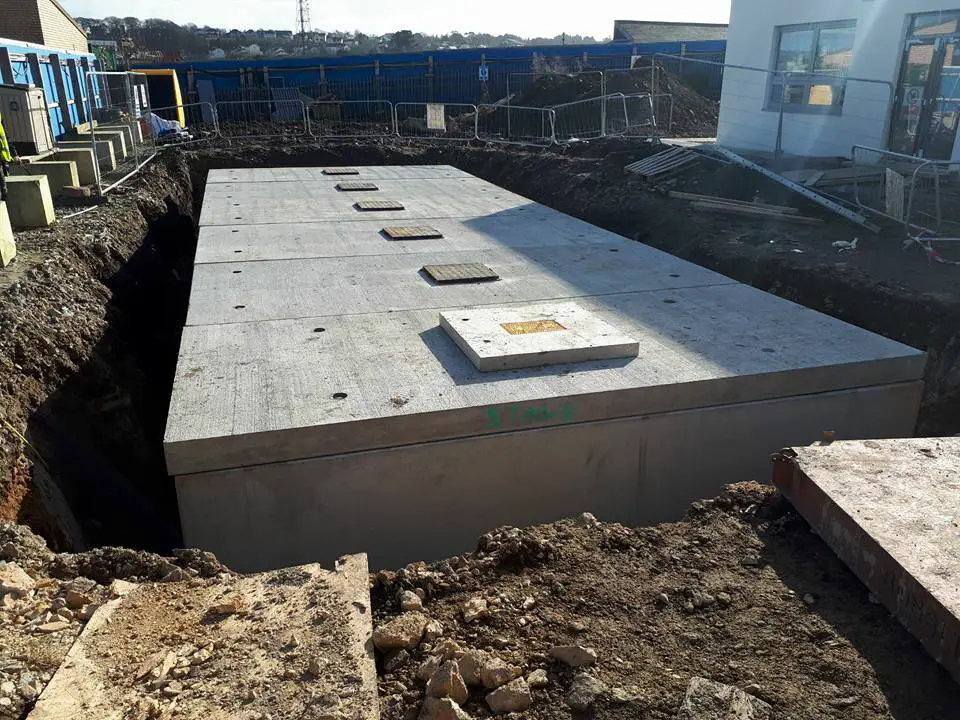
The Growing Demand for Underground Water Storage in Kenya
Urbanization, Underground Tanks water scarcity, and land constraints are driving property developers, hospitals, hotels, and industrial facilities in Nairobi, Mombasa, Eldoret, Kisumu, and other Kenyan cities to consider underground water storage solutions. Basements and substructures are increasingly being used to house water tanks that provide:
-
Reliable municipal water backup
-
Fire-fighting reserves
-
Process water for industrial applications
-
Peak-demand water storage
Traditionally, concrete tanks were the default choice for basement installations. However, over time, concrete tanks have shown significant limitations, prompting a shift toward GRP sectional tanks, engineered for reliability, hygiene, and structural efficiency.
Why Underground Tanks Are Essential for Basements in Kenya
Installing water tanks underground or in basements provides several advantages:
-
Space optimization: Basements are often underutilized; underground tanks free up above-ground space.
-
Safety and aesthetics: Tanks are hidden from view, reducing visual clutter and improving building aesthetics.
-
Temperature stability: Underground tanks benefit from natural insulation against heat fluctuations, keeping stored water at consistent temperatures.
However, basement installations in Kenya present unique challenges:
-
High groundwater levels in some regions
-
Soil pressure on tank walls
-
Risk of seepage and corrosion in traditional materials
These factors highlight the need for modern underground tank solutions tailored for Kenyan conditions.
The Limitations of Concrete Tanks for Basements
Concrete tanks, while widely used, often fail to meet the long-term requirements of underground installations in Kenya:
1. Weight and Structural Challenges
Concrete tanks are extremely heavy and require reinforced slabs for support. In basements or areas with soft soil, this adds significant structural demands.
2. Cracking and Leakage
Concrete naturally expands and contracts. Over time, basement concrete tanks may develop cracks due to:
-
Soil movement
-
Thermal stress
-
Hydrostatic pressure
Even minor cracks can lead to leakage, water contamination, and structural damage.
3. Hygiene and Algae Growth
Concrete is porous and difficult to seal perfectly. Water stored in concrete tanks may develop algae or bacterial growth, especially if exposed to sunlight or irregular maintenance.
4. Costly Maintenance
Repairing a cracked basement concrete tank is expensive and disruptive, often requiring excavation or temporary water shutdowns.
Why GRP Sectional Tanks Are the Better Choice for Basement Installations
Glass Reinforced Plastic (GRP) sectional tanks are engineered specifically to overcome the limitations of concrete in underground and basement settings.
1. Lightweight Modular Panels
GRP tanks are made of sectional panels that are lightweight and easy to handle, making basement installations feasible without heavy machinery or cranes.
2. Corrosion-Free and Durable
Unlike concrete or steel, GRP panels do not corrode, rust, or degrade under prolonged exposure to water, soil moisture, or chemicals. This ensures:
-
Long-term structural integrity
-
Reduced maintenance costs
-
Safer, hygienic water storage
Learn more about the characteristics of GRP tanks that make them ideal for underground applications.
3. Hygienic Water Storage
Basement water tanks must maintain water quality for residential, commercial, or industrial use. Aquosys GRP tanks utilize hygienic panels to prevent algae, bacterial growth, and contamination—ensuring safe potable water.
4. Engineered Reinforcement for Soil Pressure
Underground tanks face lateral pressure from surrounding soil. Aquosys sectional tanks are reinforced using internal and external reinforcement systems, providing:
-
High resistance to soil pressure
-
Structural stability in high-water-table areas
-
Safe installation in basements or underground pits
5. Modular and Scalable
GRP sectional tanks can be configured to fit almost any basement size. Modular panels allow:
-
Expansion as water demand grows
-
Custom shapes to suit confined spaces
-
Easy replacement of individual panels if needed
Installation Advantages for Basements in Kenya
Installing GRP sectional tanks in basements is straightforward and avoids the complications of concrete tanks:
Step 1: Site Assessment
Aquosys engineers evaluate basement dimensions, structural load capacity, and water demand to design the optimal tank.
Step 2: Modular Panel Delivery
GRP panels are delivered in sections and manually carried into the basement, eliminating the need for cranes or heavy lifting.
Step 3: On-Site Assembly
Following a proven installation process, panels are bolted together, sealed, and reinforced on-site. This ensures:
-
Leak-free construction
-
Proper alignment with basement structural supports
-
Rapid installation with minimal disruption
For detailed guidance, see our GRP water tank installation guide.
Applications of Underground GRP Tanks in Kenya
GRP sectional tanks are ideal for basement or underground storage in:
-
Residential high-rise buildings
-
Commercial office towers
-
Hotels and resorts
-
Hospitals and healthcare facilities
-
Industrial and manufacturing facilities
-
Shopping malls and mixed-use developments
Developers across Nairobi, Mombasa, Eldoret, Kisumu, and Nakuru rely on Aquosys for safe, scalable, and durable underground water storage solutions.
Cost Benefits of GRP Sectional Tanks Over Concrete
While the upfront cost of GRP tanks may be higher than basic concrete, the long-term savings are significant:
-
No structural damage or crack repairs
-
No corrosion or rust treatment
-
Minimal maintenance and cleaning
-
Reduced risk of contamination or health issues
-
Faster installation reduces labor and downtime costs
For developers in Kenya, GRP tanks represent a lifetime value investment compared to traditional concrete tanks.
Proven Track Record: Aquosys Underground Tanks
Aquosys Limited is a leading GRP water tank manufacturer and installer in East Africa, delivering underground solutions across Kenya.
Projects include:
-
Multi-storey residential basements in Nairobi
-
Hospital underground tanks in Mombasa
-
Industrial underground storage in Eldoret
-
Hotel water reserves in Kisumu
You can explore our past work in our portfolio and gallery, showcasing real installations and technical expertise.
Why Developers Choose Aquosys for Underground Tanks in Kenya
-
Engineering-backed, internationally compliant designs
-
Lightweight, modular panels for basement installations
-
Hygienic water storage for potable and industrial use
-
Reinforced structures for soil pressure and underground stability
-
Nationwide delivery and installation services
Aquosys is also recognized as a top GRP water tank manufacturer in Kenya and East Africa.
Conclusion: The Future of Basement Water Storage in Kenya
Concrete tanks are no longer the gold standard for basement water storage. Developers, architects, and engineers across Kenya are transitioning to GRP sectional tanks for their:
-
Durability and corrosion resistance
-
Hygienic water storage
-
Lightweight, modular design
-
Rapid and safe installation
Investing in GRP underground tanks ensures long-term reliability, compliance, and peace of mind for residential, commercial, and industrial projects in Kenya.
Need Underground GRP Tanks in Kenya?
Don’t compromise on basement water storage. Choose Aquosys Limited for safe, durable, and hygienic GRP sectional tanks across Kenya.
Get a Quote for Nationwide Delivery:
+254 754 750 750 | +254 729 749 749
sales@aquosys.co.ke
Request a Quote Here

